
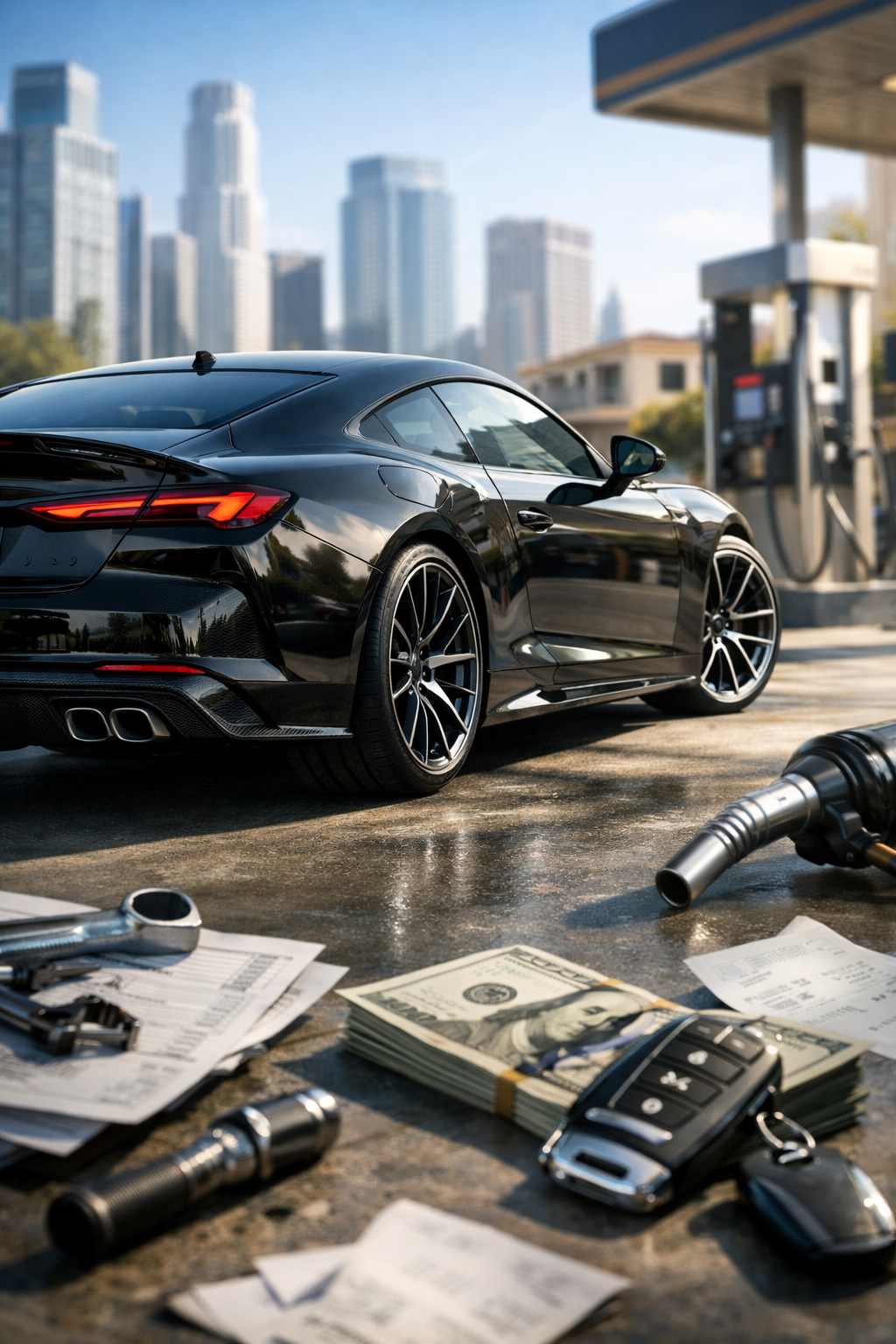
The most expensive part of owning a luxury car in 2026 isn’t the $92,000 sticker price—it’s everything the salesman “forgets” to mention while offering you an espresso. I’ve driven six-figure Bentleys, seven-seat BMWs, and tech-packed Mercedes flagships, and the common thread is this: luxury car ownership costs creep up on you like a valet bill after a long weekend. If you’re cross-shopping a BMW X7, Mercedes-Benz S-Class, or Porsche Cayenne, this matters right now because inflation cooled, but luxury ownership absolutely didn’t.
Here’s the uncomfortable truth about luxury car ownership costs: the badge is just the cover charge. Maintenance, insurance, depreciation, and software subscriptions are where the real money hemorrhage happens, especially on 2025 and 2026 models packed with screens, sensors, and “AI-enhanced” nonsense. I’m not here to scare you off—just to make sure you know what you’re signing up for before you’re arguing with a service advisor over a $1,400 brake job.
I’ve watched YouTubers like Doug DeMuro gleefully point out quirks while glossing over bills, and I’ve seen Chris Harris thrash a luxury car sideways without mentioning what a set of tires costs afterward. So let’s talk pub-style honesty about luxury car ownership costs, with real numbers and zero PR fluff.
Why Luxury Car Ownership Costs Hit Harder in 2026
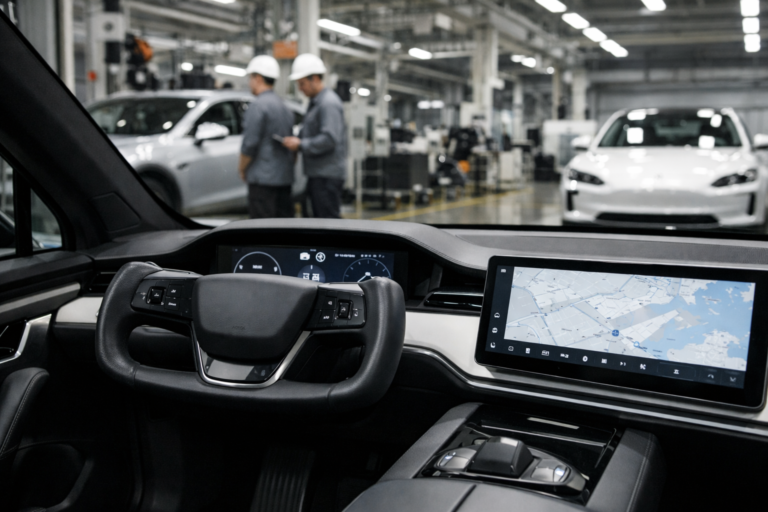
Luxury cars in 2026 are rolling tech demos, and tech ages like milk. A 2026 Audi A8 or Lexus LS is loaded with lidar, adaptive air suspension, and enough ECUs to make a Boeing jealous, which means more things to break once the warranty fairy leaves town. The controversial hot take? Simpler luxury from 10 years ago will age better than today’s over-digitized flagships.
Manufacturers love to talk about “software-defined vehicles,” but that’s corporate buzzword bingo for “you’ll pay later.” Over-the-air updates sound great until a failed sensor disables your adaptive cruise and triggers a $2,300 recalibration. That’s not bad luck—that’s modern luxury.
Maintenance: When Oil Changes Cost Like Rent
Let’s start with maintenance, because this is where luxury car ownership costs first punch you in the face. A basic service on a 2025 BMW 7 Series runs approximately $350 to $500, while a major service can easily crest $1,200—check the manufacturer website for latest pricing. Compare that to a Toyota Avalon and suddenly that kidney grille doesn’t feel so premium.
Brakes are the real villain. Carbon-ceramic setups on Porsche Panamera or Audi RS models can cost $7,000 to $10,000 for a full replacement, and even steel brakes on a Mercedes E-Class AMG will happily eat $2,000 every 30,000 miles. Throttle response might be sharper than a chef’s knife, but your wallet will feel dull fast.
Insurance: Because Replacement Parts Are Made of Unobtanium
Insurance companies aren’t stupid—they know luxury cars cost a fortune to fix. Insuring a 2026 BMW X5 M or Porsche Macan GTS can run $2,500 to $3,500 per year for drivers with clean records, and that’s before you add teenage kids or city parking. Luxury car ownership costs spike because a cracked headlight might contain adaptive LEDs, cameras, and the hopes and dreams of Stuttgart.
One fender-bender in a Tesla Model S Plaid can sideline the car for months waiting on parts, which insurers absolutely bake into premiums. If you want the data-driven explanation, poke around NHTSA safety and repairability discussions—it’s eye-opening.
Depreciation: The Silent Assassin
Here’s where I upset the badge loyalists: depreciation is the biggest hidden cost of luxury ownership. A Mercedes S-Class starting around $115,000 can lose 45–50% of its value in three years, which makes a $10,000 maintenance bill look adorable. BMW 8 Series, Audi A7, and Maserati Ghibli owners know this pain intimately.
The exception? Certain Porsches and limited-run models, but betting on resale value is like betting on Ferrari reliability—optimistic at best. If depreciation terrifies you, read our take on is a new car worth it in 2026 before signing anything.
Fuel and Energy Costs: Premium Is Mandatory, Not a Suggestion
Luxury cars drink the good stuff, and lots of it. A 2026 BMW X7 xDrive40i averages approximately 21 mpg combined, while requiring premium fuel that’s still hovering well above regular in many states—check FuelEconomy.gov for EPA data. That’s hundreds more per year compared to a mainstream SUV.
EV luxury cars aren’t immune either. Public fast charging for a Mercedes EQS or Porsche Taycan can cost more than gas per mile, and home charger installation runs $1,500 to $3,000. Luxury car ownership costs don’t disappear with electrons—they just wear a greener suit.
Repairs After Warranty: Welcome to Financial Free Solo
The moment your warranty expires, luxury ownership becomes a trust fall exercise with gravity. Air suspension failures on Range Rover Sport models can cost $3,000 per corner, and infotainment screen replacements on newer BMWs and Audis hover around $4,000. I’ve seen owners consider selling cars over a dead screen, which tells you everything.
This is why I often recommend extended warranties or certified pre-owned programs, even if purists scoff. Or, if you’re brave and mechanically curious, look into community college auto shop programs—they’re quietly saving enthusiasts thousands.
Subscriptions and Software: Paying Monthly for Heated Seats Is Still Absurd
Yes, BMW backed off some subscription nonsense, but the trend isn’t dead. In 2026, connected services, advanced driver aids, and performance modes can carry annual fees of $200 to $800 depending on brand. Paying monthly for features already installed is my controversial hill to die on.
Mercedes, BMW, and Tesla all flirt with this model, and it turns ownership into a recurring bill rather than a one-time purchase. Luxury car ownership costs aren’t just mechanical anymore—they’re digital.
Tires: Where Performance Meets Bankruptcy
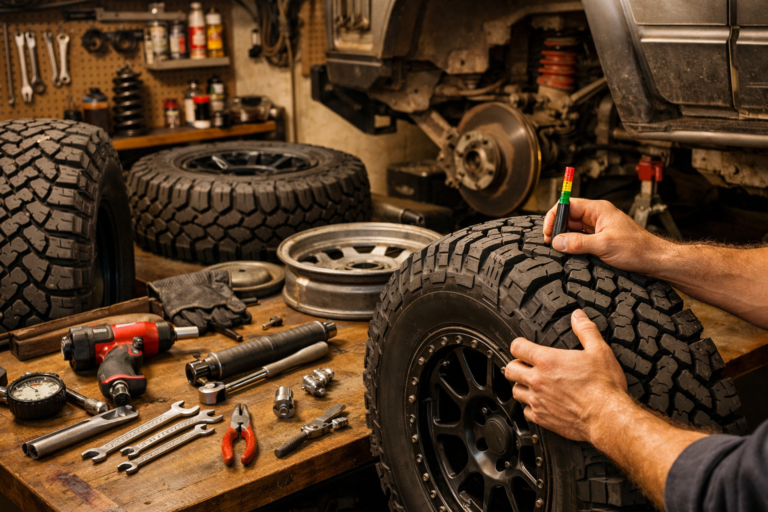
Those gorgeous 22-inch wheels look fantastic on Instagram and terrible on your bank statement. A set of performance tires for a Porsche Cayenne Turbo or BMW X5 M runs $1,600 to $2,400, and if you drive like you should, they’ll last 20,000 miles. That’s not a defect—that’s physics.
Winter tires? Add another $1,500, unless you enjoy sliding your $90,000 SUV into a curb. We’ve already covered why this matters in our AWD content, and luxury cars are no exception.
Pros
- Exceptional comfort, performance, and technology
- Strong safety features and driver assistance
- Prestige and brand cachet still matter
- Incredible engineering when done right
Cons
- Maintenance and repair costs escalate quickly
- Insurance and depreciation are brutally high
- Subscriptions and tech complexity add long-term risk
Luxury cars in 2026 are brilliant, flawed, and financially demanding, sometimes all in the same mile. If you go in with eyes open and budget for luxury car ownership costs beyond the monthly payment, you’ll love the experience. Ignore them, and that beautiful badge will feel heavier every year you own it.