
You’re cruising 12 mph over on a wide-open highway, good music on, zero traffic… and then you spot the patrol car tucked behind an overpass. That sinking feeling? That’s a $180–$400 speeding ticket waiting to happen — plus insurance hikes for three years.
That’s why so many drivers are searching for the best radar detectors 2026 has to offer. The tech has changed a lot in the last few years — quieter alerts, better range, fewer false alarms — but there’s also a lot of overpriced junk out there.
In this radar detector buying guide, I’ll break down what actually matters for speeding ticket prevention, which features are worth your money, and how to avoid paying Ferrari prices for Honda performance. Let’s save you some cash — and maybe your license.
What You’ll Need
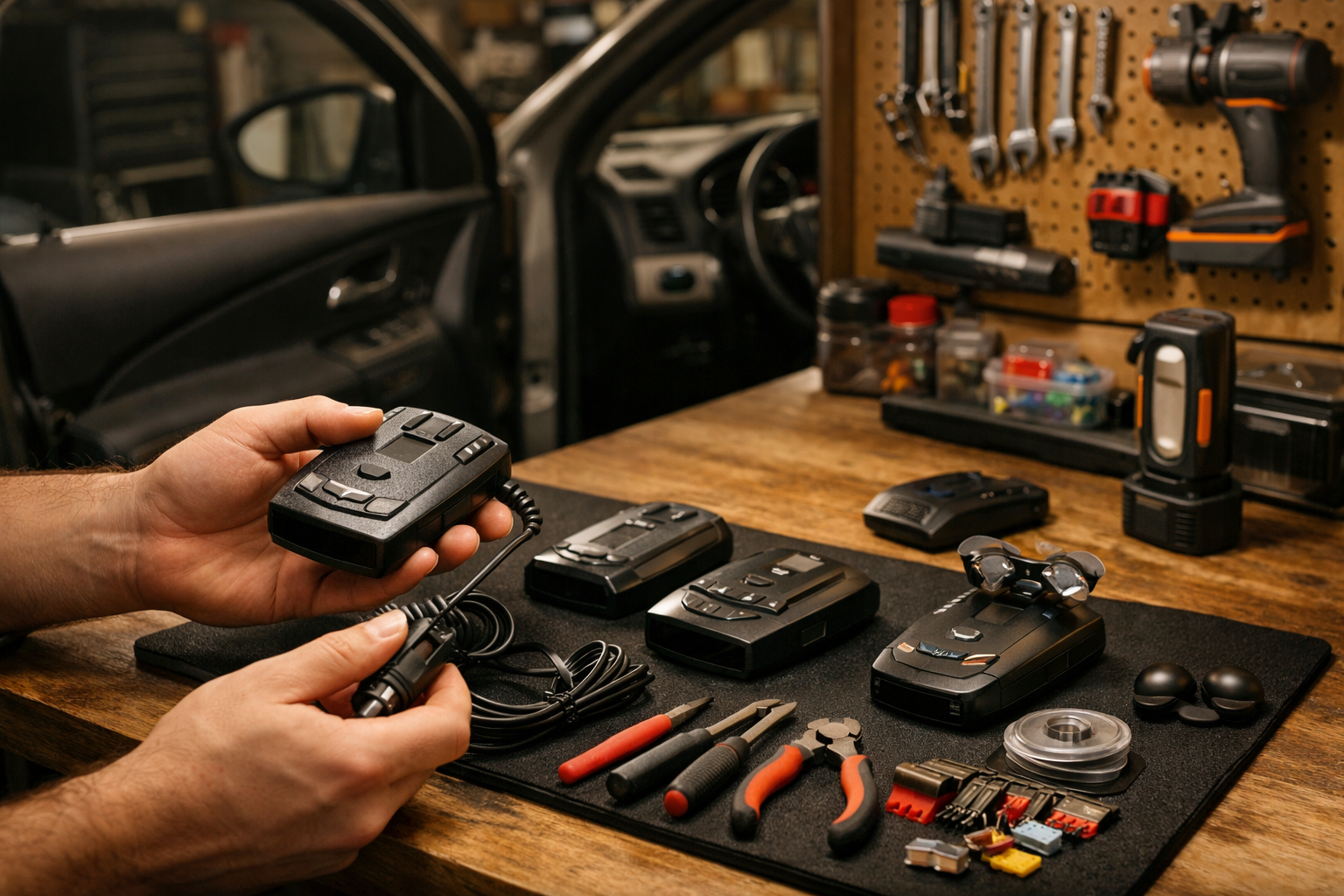
- Tools: Plastic trim tool, 12V test light or multimeter, zip ties (if hardwiring)
- Parts/Materials: Radar detector ($250–$750), optional hardwire kit ($25–$40)
- Time: 10 minutes plug-and-play / 45–60 minutes hardwired (first-timer)
- Difficulty: 🔧🔧 (2/5 — easy install)
- Dealer Cost: $150–$300 install vs DIY Cost: $0 — You Save: $150+
Why This Matters
A single speeding ticket in 2026 averages $200–$500 depending on your state. The real punch? Insurance premiums can jump $600–$1,200 over three years. That’s not pocket change — that’s rent money.
The best radar detectors 2026 models can detect Ka-band radar from over a mile away in open conditions. That early warning gives you time to check your speed safely — not slam the brakes like you just saw a deer.
But here’s the truth from 20 years in the shop: a radar detector is a tool, not a force field. It won’t save you from instant-on radar at point-blank range or laser if you’re the only car on the road. Think of it like a smoke detector — it warns you, but you still have to act smart.
And before you install any tech in your windshield, make sure your vehicle doesn’t already have open safety recalls. Check your recall status here or verify through NHTSA.gov. No gadget beats fixing a real safety issue.
Before You Start
⚠️ WARNING: Check your state laws. Radar detectors are illegal in Virginia and Washington D.C., and restricted in commercial vehicles over 10,000 lbs. Fines can exceed $300 and they can confiscate the unit.
⚠️ WARNING: Never mount a detector where it blocks airbags or your field of vision. Side curtain airbags deploy along the A-pillar — don’t run wires through there carelessly.
Symptoms that a radar detector makes sense for you? Lots of highway driving, commuting through known speed traps, or frequent road trips. If you mostly drive 5 miles to work at 35 mph, save your money.
Also, modern vehicles (2024–2026 models especially) have driver assistance systems that use radar. Cheap detectors can false alert constantly because of blind spot monitors and adaptive cruise. That’s why buying the right unit matters.
Step-by-Step Guide
How to Choose the Right Radar Detector
- Prioritize Ka-band performance.
Most police radar today uses Ka-band. If reviews don’t highlight strong Ka detection range, walk away. K-band still exists, but Ka is king in 2026. - Look for GPS filtering.
GPS allows the detector to “learn” false alerts from grocery store doors and mute them. Without this, it’ll chirp like a smoke alarm with a dying battery.
Pro Tip: GPS lockouts are worth paying an extra $100 for. Sanity has value. - Check for RDD immunity (if applicable).
In areas where detectors are restricted, police use Radar Detector Detectors (RDDs). Higher-end units are stealthier. - Consider laser detection realistically.
If you get a laser alert, you’ve probably already been clocked. Laser “shifters” are a different (and often legally complicated) game. Know your local laws. - Decide: suction cup mount or hardwired?
Plugging into the 12V outlet takes 2 minutes. Hardwiring looks cleaner and powers on with the ignition.
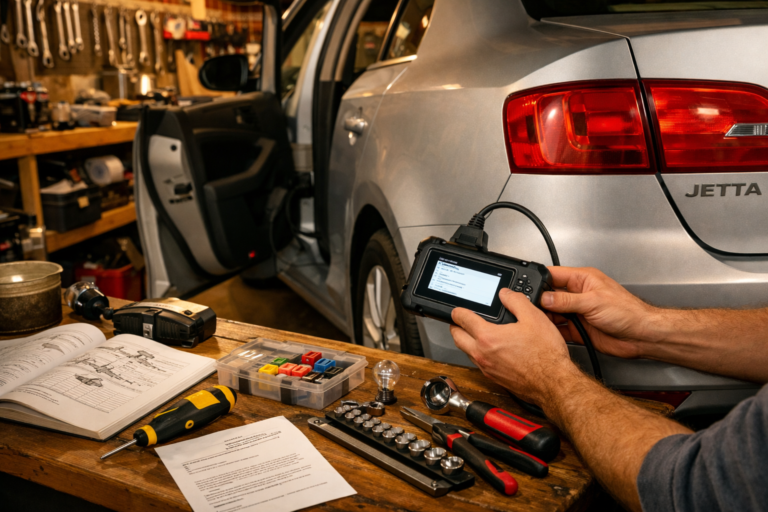
Tools needed for hardwire: plastic trim tool, add-a-fuse tap (mini or micro2 — check your fuse box), 10mm socket for ground point.
Want to integrate it cleanly with your other car tech accessories? Pair it with smart navigation like in our guide to Google Maps AI road trips so you’re not relying on one tool alone.
Common Mistakes to Avoid
- Buying based on price alone.
I’ve seen $99 detectors that barely detect automatic doors. Cheap units often have terrible range and constant false alarms. - Mounting too low on the windshield.
Radar travels forward — mounting high and level gives better range. Too low = reduced detection distance. - Ignoring firmware updates.
Good detectors get updates. Not updating is like never updating your phone — performance suffers. - Slamming brakes when it alerts.
That’s how you cause rear-end accidents. Smoothly check your speed instead. - Assuming it makes you invincible.
In 20 years of wrenching, I’ve seen more licenses suspended from overconfidence than from bad luck.
When to Call a Professional
If you’re hardwiring into a modern 2025–2026 vehicle with complex fuse panels, it may be worth paying $100–$200 for a clean install. Especially on vehicles like the 2026 BMW X5 M where electrical systems are sensitive.
Fair install price: $150–$250. If a shop quotes $400+, that’s markup city.
Ask the installer:
- Will this tap an ignition-switched fuse?
- Are you avoiding airbag wiring?
- Is the wiring fully hidden behind trim?
Red flag: Scotch-lock connectors jammed into random wires. That’s amateur hour.
Recommended Products
- Uniden R8 ($650–$700) – Long-range king. Excellent Ka performance. What I’d run on cross-country drives.
- Escort MAX 360c MKII ($650) – Great filtering in urban areas. Pairs with smartphone apps.
- Valentine One Gen2 ($500) – Directional arrows. Still one of the most intuitive interfaces out there.
- Uniden R4 ($350) – Best budget-to-performance ratio. Strong choice if you want value.
Independent testing from places like Consumer Reports and enthusiast forums can help compare real-world range claims.
If you’re already feeling squeezed by today’s car costs — and who isn’t with the $800 car payment becoming normal — preventing even one ticket pays for this device.
Best Radar Detectors 2026: What Actually Matters
When people ask me about the best radar detectors 2026 models, they expect some secret mechanic trick. There isn’t one. You’re paying for three things: detection range, smart filtering, and reliability.
Ignore flashy OLED screens and voice gimmicks. Focus on range tests, update support, and proven performance. Spending $600 once beats buying two $250 units that disappoint you.
Remember: speeding ticket prevention is about awareness, not racing. Even the best detector won’t overcome bad judgment.
Do This
- Mount high and level on windshield
- Update firmware regularly
- Use GPS lockouts in city driving
- Check local legality before buying
Don’t Do This
- Buy the cheapest unit online
- Mount near airbag deployment zones
- Brake aggressively when alerted
- Assume you’re immune to tickets
You can absolutely handle this upgrade. Ten minutes to mount, maybe an hour if you hardwire it clean. Compare features carefully, choose smart, and you’ll have one of the most practical car tech accessories you can buy in 2026.
If you’ve got questions about specific vehicles or installs, drop them in the comments. I’ve probably pulled that dash apart before.
Stay safe out there — and remember, the best radar detectors 2026 offers are tools, not excuses. A $20 repair manual saves a $2,000 repair bill… and smart driving saves you from both.