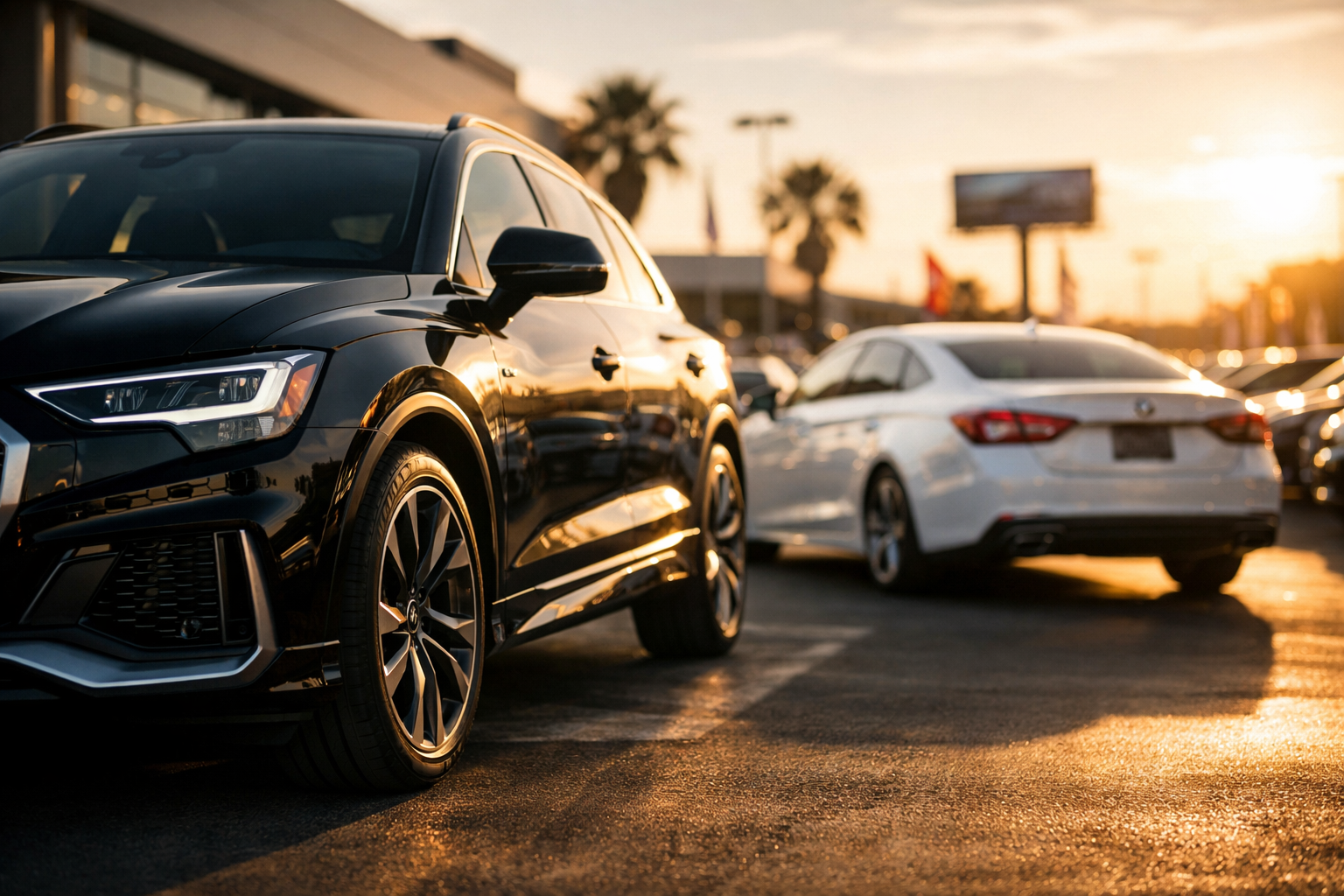

Here’s the uncomfortable truth: brand loyalty cars are the reason people are happily signing $700 monthly payments for beige crossovers that drive like a dishwasher on wheels. I’ve watched friends defend a logo harder than a football club badge, even as prices balloon past $45,000 for family sedans that used to cost $28k. This matters right now because the market isn’t just expensive, it’s emotionally expensive, and car buying psychology is doing more damage to wallets than interest rates alone.
I’ve driven dozens of SUVs, sedans, and EVs in the past year alone, from $24,000 Mitsubishis to $110,000 electric luxo-barges, and the pattern is clear. Buyers aren’t asking “Is this good?” anymore, they’re asking “Is this a Toyota?” or “I’ve always had BMWs.” In an unaffordable car market, that mindset quietly hands manufacturers permission to overcharge.
The wild part is how predictable it’s become. Dealers know you’ll cross-shop a Honda CR-V with… another Honda CR-V, not a Mazda CX-5 or Ford Escape. Brand loyalty cars have turned from trust into a tax, and the industry knows it.
Why Brand Loyalty Cars Still Feel Safe (Even When They Aren’t)
Let’s be fair: loyalty didn’t start as a scam. Toyota earned its reputation by building Corollas that survived neglect, bad oil-change habits, and drivers who thought rev limits were suggestions. Honda, Subaru, and Lexus built similar trust through consistency, not marketing PowerPoint decks.
The problem is that reputation inertia is now doing all the work. A 2025 Toyota RAV4 starting around $31,000 (check manufacturer website for latest pricing) isn’t automatically better than a $28,000 Hyundai Tucson, yet buyers line up anyway. That’s car buying psychology in action, not spreadsheet logic.
The Price Creep Nobody Wants to Admit
Remember when a $30,000 car felt expensive? Today, a decently optioned 2026 Honda Accord Hybrid nudges $38,000, while a Toyota Highlander Hybrid starts around $40,000 and climbs fast. Meanwhile, Mazda, Kia, and Hyundai are offering similar horsepower, better interiors, and longer warranties for thousands less.
Here’s the controversial hot take: loyalty is now inflating prices more than inflation. When buyers refuse to cross-shop, automakers don’t need to fight for you. They just need to refresh the grille and add a bigger touchscreen.
How Car Buying Psychology Overrides Math
I’ve seen buyers ignore 0–60 times, fuel economy, and warranty coverage because “my family’s always had Fords.” That’s how you end up skipping a 10-year/100,000-mile warranty for a 3-year/36,000-mile one with a nicer badge. Emotion beats Excel every time.
YouTube creators like SavageGeese and Throttle House constantly show how thin the gaps have become between competitors. A Kia Sportage Hybrid at approximately 43 mpg combined makes the Toyota equivalent look overpriced on paper. Yet guess which one sells faster.
Competitors Are Better Than You Think
Cross-shopping used to be normal. A BMW 3 Series buyer would at least look at an Audi A4, Mercedes C-Class, maybe even a Genesis G70. Now, many buyers don’t bother, even though Genesis undercuts the Germans by $5,000 to $8,000 with similar power around 300 hp.
This is why articles like choosing a reliable new car without overpaying matter more than ever. The best value often sits just outside your comfort-brand bubble.
The SUV Trap and Logo Pricing
SUVs are where loyalty gets weaponized hardest. A Lexus RX starting around $49,000 sells on badge serenity, not driving excitement. Meanwhile, a Mazda CX-90 offers up to 340 hp and better steering feel for less money.
If you’re wondering why luxury SUVs feel absurdly priced, it’s worth reading why luxury SUVs are becoming expensive. Short version: buyers stopped pushing back, so prices stopped behaving.
When Loyalty Makes Sense (And When It Absolutely Doesn’t)
Loyalty still makes sense if a brand genuinely aligns with your needs. Subaru owners who live on gravel roads and snowbanks? Fair enough. There’s a reason AWD and practicality keep them coming back, and Subaru culture exists for a reason.
But loyalty doesn’t make sense when it blinds you to better deals. Paying $4,000 more for a familiar badge while complaining about affordability is like ordering bottled water at a pub because you trust the label.
Brand Loyalty Cars in a Market That Punishes Emotion
The 2025–2026 auto market is brutal. Average transaction prices hover around $48,000, interest rates remain stubborn, and incentives are thin. In this environment, brand loyalty cars quietly cost you thousands over a five-year loan.
If you want cold facts, resources like FuelEconomy.gov and NHTSA.gov cut through marketing fluff. Data doesn’t care about badges.
What Smart Buyers Are Doing Differently
The savviest buyers I know treat brands like tools, not identities. They test-drive three competitors minimum, compare warranties line by line, and negotiate like loyalty doesn’t exist. Funny thing is, dealers suddenly get flexible when they realize you’re not married to a logo.
This is where brand loyalty cars need a reality check. Trust is good, blind faith is expensive.
Pros
- Familiar ownership experience reduces perceived risk
- Resale values often stronger for trusted brands
- Easier service networks and parts availability
- Emotional satisfaction for long-term owners
Cons
- Higher transaction prices for similar hardware
- Less incentive for brands to innovate aggressively
- Buyers often ignore better warranties and features
Brand loyalty cars aren’t evil, but in an unaffordable market, they’ve become dangerously expensive habits. Treat badges like starting points, not finish lines, and you might just keep a few thousand dollars in your pocket. The best revenge against runaway prices is curiosity.
Frequently Asked Questions
Are brand loyalty cars costing buyers more money?
Yes. Loyal buyers often pay $2,000–$5,000 more by skipping competitors with similar specs, power, and warranties.
Does brand loyalty still make sense in 2026?
It can, if reliability, dealer access, or resale value truly matter to you. It doesn’t justify ignoring better-value alternatives.
How does car buying psychology affect affordability?
Emotional attachment to brands reduces cross-shopping, allowing manufacturers to raise prices with less resistance.
Which brands benefit most from loyalty?
Toyota, Honda, BMW, and Lexus consistently command higher prices due to long-standing reputations and repeat buyers.