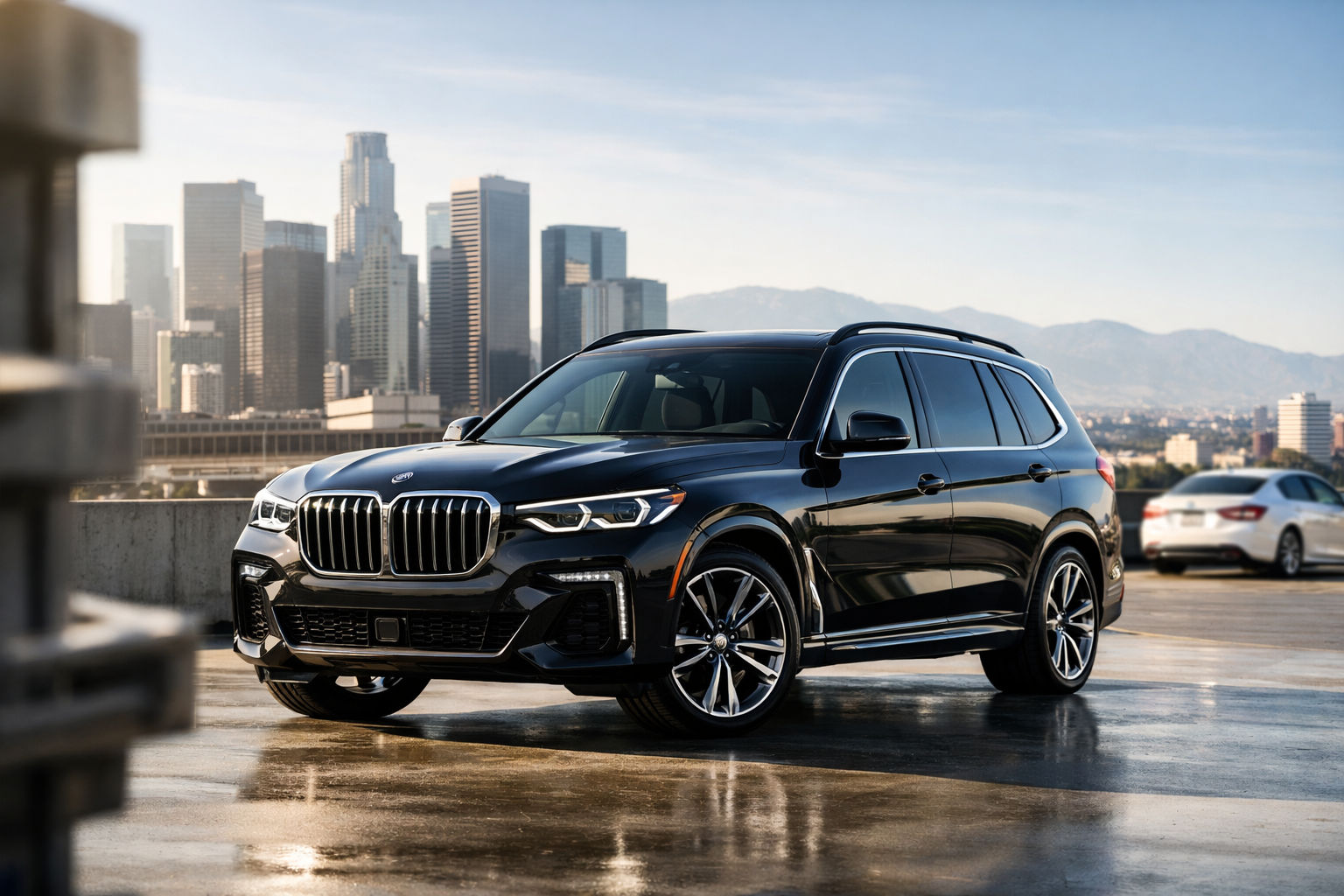

Here’s a stat that should make you spit out your pint: the average transaction price of a luxury SUV in 2025 sailed past $82,000, and plenty of buyers cheerfully tick options until it’s flirting with six figures. Luxury SUV prices have inflated faster than a Porsche Cayenne Turbo’s 0-60 time, and unlike that Porsche, there’s no grin at the end. I’ve driven dozens of these things, and I’m starting to wonder if the segment has finally lost the plot.
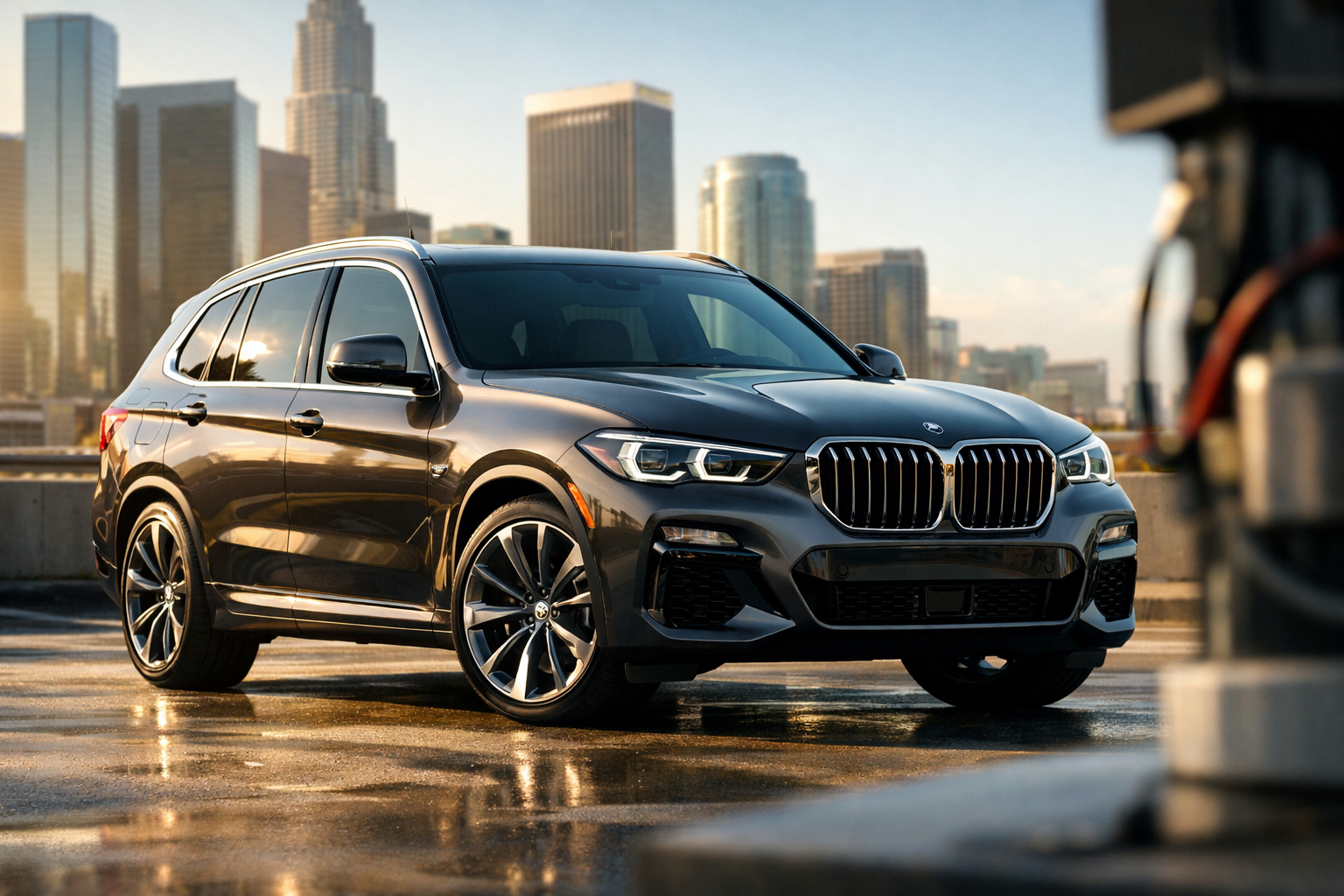
This matters right now because interest rates are still hovering around 6–7%, insurance premiums are up double digits, and car affordability is doing a slow-motion crash into a wall. Buyers are being sold “bespoke experiences” when what they’re really getting is a heavier BMW X5 with a bigger screen and a longer monthly payment. The SUV market didn’t just creep upscale—it pole-vaulted.
Here’s the uncomfortable question no brand wants to answer: are luxury SUV prices now so high they’re actively eroding what made luxury SUVs desirable in the first place? When a nicely specced Mercedes-Benz GLE or Audi Q7 costs more than a small house deposit, something’s gone sideways.
How Luxury SUV Prices Got This Silly
Let’s start with the obvious culprit: option creep. A 2026 Range Rover Sport starts around $83,000 (check manufacturer website for latest pricing), but add air suspension, upgraded leather, and driver assists, and you’re staring at $110,000 like it owes you money. Carmakers realized customers would finance feelings, not features.
Then there’s platform sharing dressed up as innovation. The Cadillac Escalade, BMW X7, and Lexus LX all ride architectures shared with cheaper siblings, yet somehow command $90,000-plus stickers. That’s not engineering magic—it’s branding alchemy.
Luxury SUV Prices vs Actual Value
This is where the math stops working. A 2025 BMW X5 xDrive40i offers 375 hp, a 0-60 mph time of approximately 5.3 seconds, and around 23 mpg combined, starting around $66,000. By the time you hit $85,000, you haven’t gained more speed—you’ve gained massaging seats and ambient lighting that looks like a Twitch streamer’s bedroom.
Meanwhile, competitors like the Porsche Cayenne, Genesis GV80, and Acura MDX Type S deliver similar performance envelopes for thousands less. Hot take: once you cross $90,000, you should either get supercar-level pace or Rolls-Royce serenity, and most luxury SUVs offer neither.
The Tech Arms Race Nobody Asked For
Every brand now shouts about “AI-enhanced UX” while burying basic controls in touchscreen submenus. I recently drove a 2026 Audi Q8 where adjusting seat heating required three taps and a prayer. Throttle response was fine, but the interface was lazier than a cat in a sunbeam.
This tech isn’t cheap, and it’s a huge driver of luxury SUV prices. Worse, it ages like milk—today’s 14-inch OLED is tomorrow’s Craigslist liability. If you want to see where this trend leads, our piece on what enthusiasts lose in the luxury shift nails the long-term damage.
The SUV Market and the Illusion of Necessity
Carmakers love telling you these prices are justified because “customers demand SUVs.” That’s corporate buzzword bingo for “we stopped making affordable sedans.” When a Lexus RX starts around $50,000 and a loaded Toyota Grand Highlander crests $55,000, the ladder beneath luxury SUVs is disappearing.
This is why so many buyers are stretching loans to 84 months. If you’re trying to fight that, bookmark our guide on lowering your car payment in 2026 before signing anything.
Who’s Still Getting It Right?
Not all brands have lost their minds. Genesis deserves credit for the GV70 and GV80, offering strong design and 300–375 hp powertrains starting around $46,000 and $57,000 respectively. Lexus, particularly with the TX and RX, focuses on reliability over gimmicks—an approach I’ll defend until my last oil change.
Compare that to the Mercedes GLS or BMW X7, both starting around $78,000, and the value gap becomes painfully clear. For a deeper dive on whether the premium is worth it, check out our breakdown of BMW pricing logic.
Running Costs: The Silent Wallet Killer
Buying the SUV is just the opening act. Insurance on a $90,000 luxury SUV can easily hit $2,500 per year, while 22-inch tires cost $1,800 a set if you’re lucky. Fuel economy hovers around 18–22 mpg for gas models, according to FuelEconomy.gov.
Maintenance isn’t kind either, especially once warranties expire. For the ugly truth, our deep dive on 2026 luxury ownership costs should be required reading.
Are Luxury SUV Prices Pricing Out the Faithful?
Here’s my controversial take: luxury SUVs have become status objects first, vehicles second. Brands are chasing higher margins instead of better cars, and loyal buyers are being nudged toward used or non-luxury alternatives. When a top-trim Mazda CX-90 does 0-60 in about 6.3 seconds for roughly $55,000, the emperor’s wardrobe looks thin.
Safety-wise, many of these SUVs score well, but size doesn’t equal invincibility—check crash data on NHTSA.gov before assuming bigger is safer. Luxury should mean smarter, not just pricier.
Pros
- Impressive performance and comfort when properly engineered
- High safety ratings and advanced driver assists
- Strong resale for certain brands like Lexus and Porsche
- Wide variety of powertrains, including hybrids
Cons
- Luxury SUV prices rising faster than real-world benefits
- Tech-heavy interiors that age poorly
- High insurance, maintenance, and tire costs
Luxury SUVs aren’t bad cars; they’re just becoming bad deals. Until brands remember that luxury once meant thoughtful engineering instead of bigger invoices, luxury SUV prices will keep alienating the very enthusiasts who built the segment.
Frequently Asked Questions
Why are luxury SUV prices increasing so fast?
Rising tech costs, option-heavy trims, and higher profit margins are the main drivers. Brands have learned buyers will finance expensive features over longer terms.
Are luxury SUVs still affordable for average buyers?
Affordability is shrinking. With average transaction prices around $80,000 and higher interest rates, many buyers rely on 72–84 month loans.
Which luxury SUVs offer the best value in 2025–2026?
Genesis GV70/GV80 and Lexus RX stand out for reliability and pricing. They undercut German rivals by thousands with similar performance.
Will luxury SUV prices come down soon?
Unlikely in the short term. Manufacturers prioritize margins, though incentives may appear if demand softens.