

Your buddy just texted: “Thinking about trading my car in. Good idea?” And just like that, you’re staring at your driveway wondering whether to buy or sell car 2026 style — or hang onto what you’ve got. With prices still weird, interest rates not exactly friendly, and dealers playing their usual games, it’s not a simple yes-or-no anymore.
This decision can cost — or save — you thousands. I’ve seen folks dump a perfectly good Honda with 120,000 miles left in it, and I’ve seen others sink $4,000 into a rust bucket that should’ve been retired. In this guide, I’ll walk you through how to decide whether to buy, sell, or trade in your car in 2026 — without getting ripped off.
What You’ll Need
- Tools: Smartphone or laptop, service records, 10mm socket (to check battery terminals if inspecting), tire tread gauge
- Parts/Materials: Vehicle history report ($25–$40), optional pre-sale detail ($150–$300)
- Time: 2–3 hours research; 1–2 weekends if selling private party
- Difficulty: 🔧🔧 (mostly homework)
- Dealer Cost: Hidden fees can add $1,000–$3,000 vs DIY prep cost: $200 — You Save: $800–$2,800
Why This Matters
Making the wrong move in this market can lock you into a $800 monthly payment — which, by the way, is becoming normal according to this breakdown on rising car payments. That’s mortgage territory in some towns.
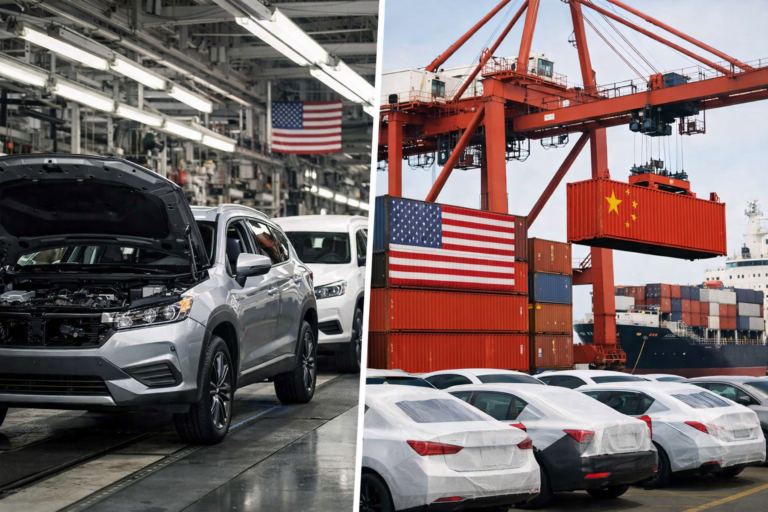
If you sell too early, you eat depreciation. If you wait too long, repair costs pile up. The sweet spot depends on mileage, condition, and what the 2026 market is doing — and tariffs and supply chain drama are still shifting prices, as we covered in Auto Tariffs 2026: U.S. Trade Shifts Hit Industry.
Rule of thumb? Most modern cars (Toyota, Honda, Ford, Chevy) are built to run 200,000+ miles if maintained. If you’re under 150,000 miles and repairs average less than $1,500 per year, it’s often cheaper to keep it.
Before You Start
⚠️ WARNING: If your vehicle has open safety recalls, don’t sell or trade it without addressing them. Check NHTSA.gov for free recall info by VIN. Dealers must fix recalls for free — don’t let them “forget” that.
Pull your Kelley Blue Book values and compare trade-in, private-party, and retail numbers. The spread can be $2,000–$4,000. That gap is your leverage.
Also check maintenance schedules from your manufacturer’s official site (Toyota.com, Ford.com, etc.). If you’re 5,000 miles away from a $1,200 timing belt service, that affects your timing big time.
Don’t DIY this decision if:
- You owe more than the car is worth (negative equity over $3,000)
- The car has major structural rust or frame damage
- The transmission is slipping or engine is knocking
Step-by-Step Guide
- Check Your Car’s Real Value
Go to Kelley Blue Book and Edmunds. Enter exact trim, mileage, and condition — be honest. “Excellent” means near-perfect. Most cars are “Good.” Print those numbers. - Compare Repair Costs vs Payments
If your car needs $2,000 in suspension work but a new car costs $700/month ($8,400/year), fixing it is usually smarter. In 20 years of wrenching, I’ve seen people panic over a $1,200 repair — then sign up for $40,000 in payments. - Evaluate Market Timing
Spring and early summer bring higher resale values. Tax refund season = buyers with cash. SUVs and AWD sell better before winter. EV demand is shifting too — see trends like the 2026 Polestar 4 Wagon review for where the market’s heading. - Decide: Sell Private or Trade In
Private sale: More money. More hassle. Expect $1,500–$3,000 more than trade-in.
Trade-in: Fast and easy. Dealers lowball — that’s their sport. - Detail Before Selling
Spend $200 on a full detail. It can add $1,000 in perceived value. Clean cars sell faster — it’s like showing up to a job interview in clean clothes. - Negotiate Separately
If trading, negotiate your car’s value separate from the new purchase price. Dealers love blending numbers. That’s how they hide profit. For more tactics, read Trade In Car Tips 2026: Maximize Your Used Car Value.
Pro Tip: Get a CarMax or Carvana quote before stepping into a dealership. It gives you a real baseline offer.
Common Mistakes to Avoid
- Rolling negative equity into a new loan. I’ve seen $5,000 snowball into $12,000 after interest.
- Trading in with bald tires and filthy interior. Dealers deduct hard for cosmetic neglect.
- Ignoring market trends. EV prices fluctuate fast — check fuel economy and incentives at EPA.gov.
- Falling for payment-focused sales tactics. They’ll stretch loans to 84 months. That’s how $500 turns into $800.
I’ve seen this in the shop a hundred times: customer trades in a reliable Camry because it “felt old,” then regrets it when the new SUV’s payment hits.
When to Call a Professional
If you’re unsure about your car’s mechanical condition, pay $150–$200 for a pre-sale inspection from an ASE-certified tech (verify at ASE.com). That report can justify your asking price.
Fair dealer doc fees range from $200–$500 depending on state. Anything over $800? Ask questions.
Red flags at the dealership:
- They refuse to show you full financing breakdown
- They mix trade-in and purchase numbers together
- They push add-ons before agreeing on price
Recommended Products
- OBD2 Scanner ($60–$120): Check for hidden codes before selling.
- Tire Tread Gauge ($10): Simple tool that shows buyers you maintained it.
- Meguiar’s Ultimate Polish ($15): What I use in my own garage before listing a vehicle.
- Vehicle History Report ($30): Builds trust with buyers instantly.
Do This
- Check Kelley Blue Book values first
- Fix small issues under $500 before selling
- Negotiate trade-in separately
- Time sales for spring or high-demand seasons
Don’t Do This
- Roll negative equity blindly
- Focus only on monthly payment
- Skip recall checks
- Accept first dealer offer without comparison
Deciding whether to buy or sell car 2026 style isn’t about emotion — it’s math, timing, and knowing the game dealers play. Run the numbers. Compare repair costs to payments. Use Kelley Blue Book values as your compass. And remember, the cheapest car you’ll ever own is usually the one already sitting in your driveway.
You’ve got this. If you want help breaking down your specific situation, drop it in the comments. Stay smart out there — and remember, a $20 repair manual saves a $2,000 repair bill.