
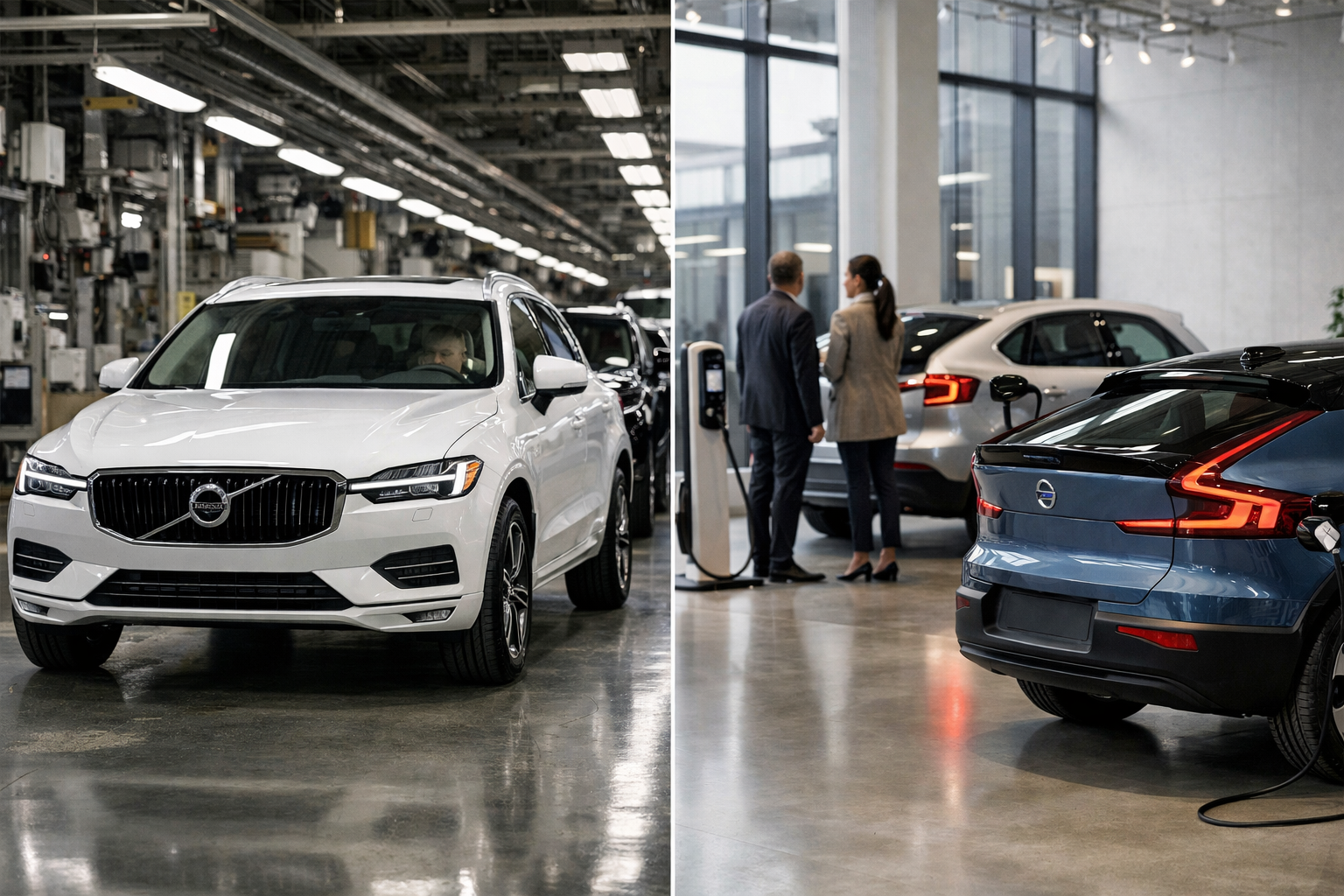
Volvo reported a global sales decline for the first quarter of 2026, even as its fully electric models posted double-digit gains — a split performance that’s raising fresh questions about the pace and profitability of the EV transition. According to the company’s March 18 trading update, Volvo sales Q1 fell 6% year-over-year to an estimated 175,000 vehicles, while battery-electric vehicle (BEV) deliveries jumped 32% compared with the same period in 2025.
That divergence matters. Volvo has positioned itself as one of the legacy automakers most aggressively pivoting to electrification, targeting 100% electric sales globally by 2030. However, total volume is shrinking in key markets like Europe and China, even as EV mix increases. The press release emphasizes “strong EV momentum.” The reality is more nuanced.
Notably, this comes as broader electric vehicle sales trends remain mixed globally. Europe saw nearly 20% EV growth in January, according to our recent coverage, while China’s price war continues to squeeze margins across the board.
The Headlines
- What: Volvo reports lower total Q1 2026 sales but strong EV growth
- Who: Volvo Cars, global markets (Europe, China, U.S.)
- When: Q1 2026 results released March 18, 2026
- Impact: Higher EV mix, but overall volume and profitability pressures remain
- Key Number: 32% increase in BEV sales year-over-year
What Happened
Volvo delivered approximately 175,000 vehicles globally in Q1 2026, down 6% from roughly 186,000 units a year earlier, according to figures published on its official newsroom. However, fully electric models — including the EX30, EX90, and C40 Recharge — accounted for about 27% of total sales, up from 20% in Q1 2025.
Additionally, plug-in hybrids represented another 18% of deliveries, meaning electrified vehicles made up nearly 45% of Volvo’s global mix. That’s well above the industry average; the International Energy Agency estimates global EV penetration at around 18% in 2025, per its latest outlook.
Regionally, Europe remained Volvo’s strongest EV market, with BEV sales up more than 40% year-over-year. Meanwhile, China volumes slipped amid intensified competition from BYD and SAIC, according to Reuters reporting on broader market conditions. U.S. sales were relatively flat, with stronger EX30 demand offsetting declines in gasoline-powered XC60 and XC90 models.
“Our transformation toward full electrification continues at pace,” Volvo said in its statement, adding that it expects EV share to exceed 30% for full-year 2026.
However, the company did not provide detailed profit guidance in its sales update. That omission is notable, given margin compression across the industry.
Why It Matters
The Volvo sales Q1 figures illustrate a core tension facing legacy automakers: EV growth does not automatically equal financial health. While BEV volumes are rising, they often carry lower margins due to battery costs, pricing pressure, and heavy upfront R&D investments.
Furthermore, Volvo is in the middle of restructuring its supply chain to reduce dependence on China-based production, partly in response to potential new tariffs in the U.S. and EU. As we’ve analyzed in our Auto Tariffs Buying Guide, even modest duty changes can shift pricing by thousands of dollars per vehicle.
For consumers, this shift toward EV-heavy sales means more choice — particularly in compact electric SUVs like the EX30, which undercuts many premium rivals on price. However, it also means fewer new internal combustion options long term. Volvo has already phased out several lower-margin gas-only trims in Europe.
In fact, having covered three product cycles at Volvo, this pattern is familiar: strong product launches boost mix and headlines, but sustaining total volume requires either aggressive pricing or expansion into new segments.
The Bigger Picture
Volvo’s trajectory reflects larger electric vehicle sales trends across Europe and China. According to the IEA, global EV sales surpassed 14 million units in 2025, representing roughly 18% of total new car sales. Europe remains policy-driven, with CO2 fleet targets tightening under EU regulations, while China’s market is increasingly shaped by domestic price competition.
Meanwhile, U.S. growth depends heavily on federal tax credits under the Inflation Reduction Act, administered through the U.S. Department of Energy. Eligibility rules tied to battery sourcing continue to complicate planning for brands like Volvo that rely on global supply chains.
Historically, Volvo has leaned into safety and environmental branding. Its 2030 all-electric pledge was one of the earliest among established European brands. However, recent examples — including delays to fully electric transitions at Mercedes-Benz and Ford — show that timelines can slip when demand or profitability falters.
Therefore, the company’s Q1 dip is less about demand collapse and more about the messy middle phase of industry transformation. EV growth is real. The cost of getting there remains high.
What the Competition Is Doing
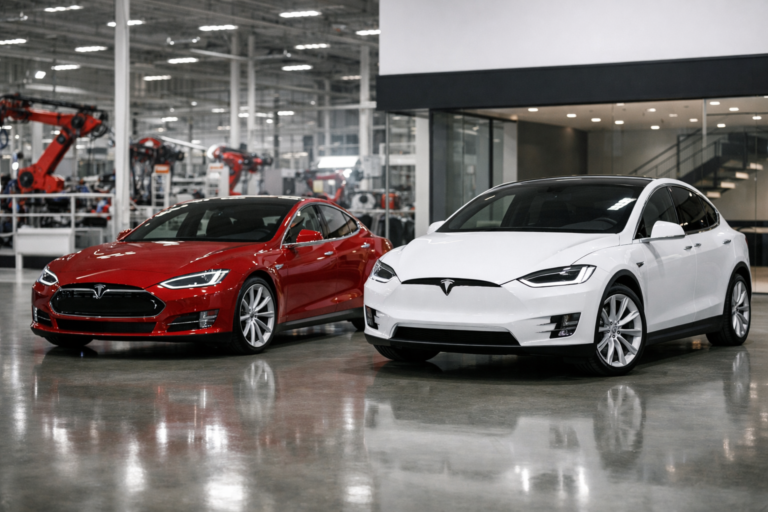
Tesla continues to dominate global EV market share at roughly 19% worldwide, though its European growth has cooled, as we detailed in our analysis of Tesla’s UK February sales. Meanwhile, BYD overtook several Western brands in China and is expanding aggressively into Europe with lower-priced models.
In contrast, Volkswagen Group is balancing EV rollouts with continued combustion engine investment, especially in emerging markets. BMW, notably, has maintained a flexible platform strategy, producing EVs and gas models on shared architectures to protect margins.
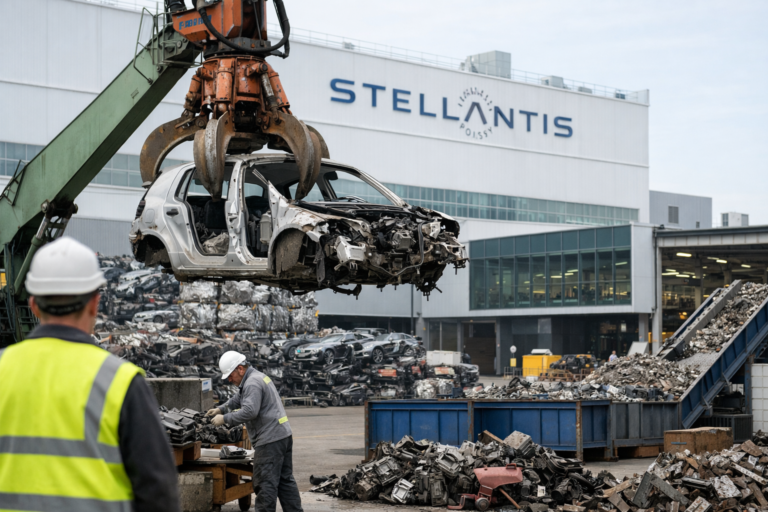
Additionally, Stellantis is pursuing partnerships like its Leapmotor tie-up to reduce EV development costs, a strategy we explored in our coverage of the Stellantis-Leapmotor partnership. Volvo, owned by Geely, benefits from shared technology but still faces brand-specific cost pressures.
Who wins? Brands that control battery sourcing and platform flexibility. Who struggles? Those caught between premium pricing and mass-market competition — a category Volvo occasionally straddles.
What It Means for You
If you’re shopping in 2026, Volvo’s expanding EV lineup likely means better availability and more competitive lease deals on models like the EX30 and C40. Dealers typically push higher-inventory EVs with incentives, especially at quarter-end.
However, gasoline Volvo models may see reduced trim options and potentially higher prices if production scales down. That dynamic mirrors what we’re seeing industry-wide, as outlined in our EV vs Hybrid 2026 guide.
Therefore, if you’re considering a Volvo EV, 2026 could be a favorable entry point — particularly before potential tariff adjustments or battery sourcing rule changes. If you prefer a traditional gas SUV, waiting may limit your choices.
What to Watch Next
Investors will be watching Volvo’s full Q2 earnings report for margin clarity. Additionally, keep an eye on whether EV mix exceeds 30% by midyear, as management hinted. Battery cost trends, particularly lithium pricing, will also influence profitability.
Moreover, regulatory shifts in the EU and U.S. could materially affect Volvo sales Q1 performance later in the year. Finally, watch China: if local competition intensifies further, Volvo may need price cuts that dent margins.
The Upside
- Strong 32% BEV growth signals real EV demand
- Higher EV mix aligns with long-term regulatory trends
- EX30 success strengthens Volvo’s entry-level positioning
- Electrified vehicles now nearly 45% of global sales
The Concerns
- Total global sales down 6% year-over-year
- Margin pressure from pricing competition
- China market weakness amid domestic EV price war
- Tariff and sourcing risks could impact U.S. pricing
Ultimately, the latest Volvo sales Q1 numbers tell a story we’ll see repeatedly over the next five years: EV growth can coexist with overall contraction. The winners won’t simply be those selling more electric cars — they’ll be the ones doing it profitably.
Volvo is moving decisively toward its 2030 goal. The open question isn’t whether customers want EVs. It’s whether automakers can make enough money selling them. That’s the real industry test ahead.
Disclosure: This article may contain affiliate links. If you make a purchase through these links, we may earn a small commission at no extra cost to you. This helps support RevvedUpCars.com. Learn more.