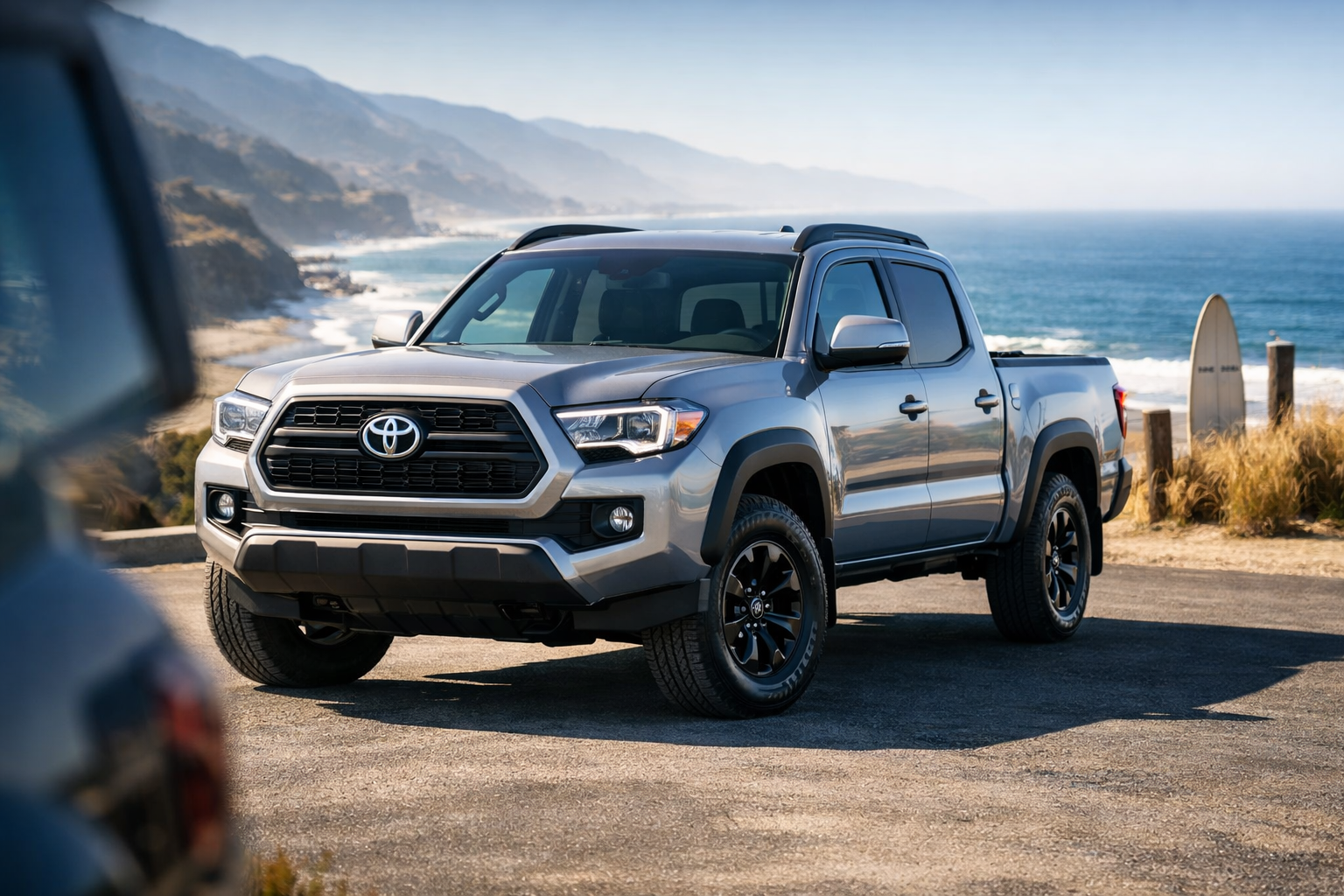

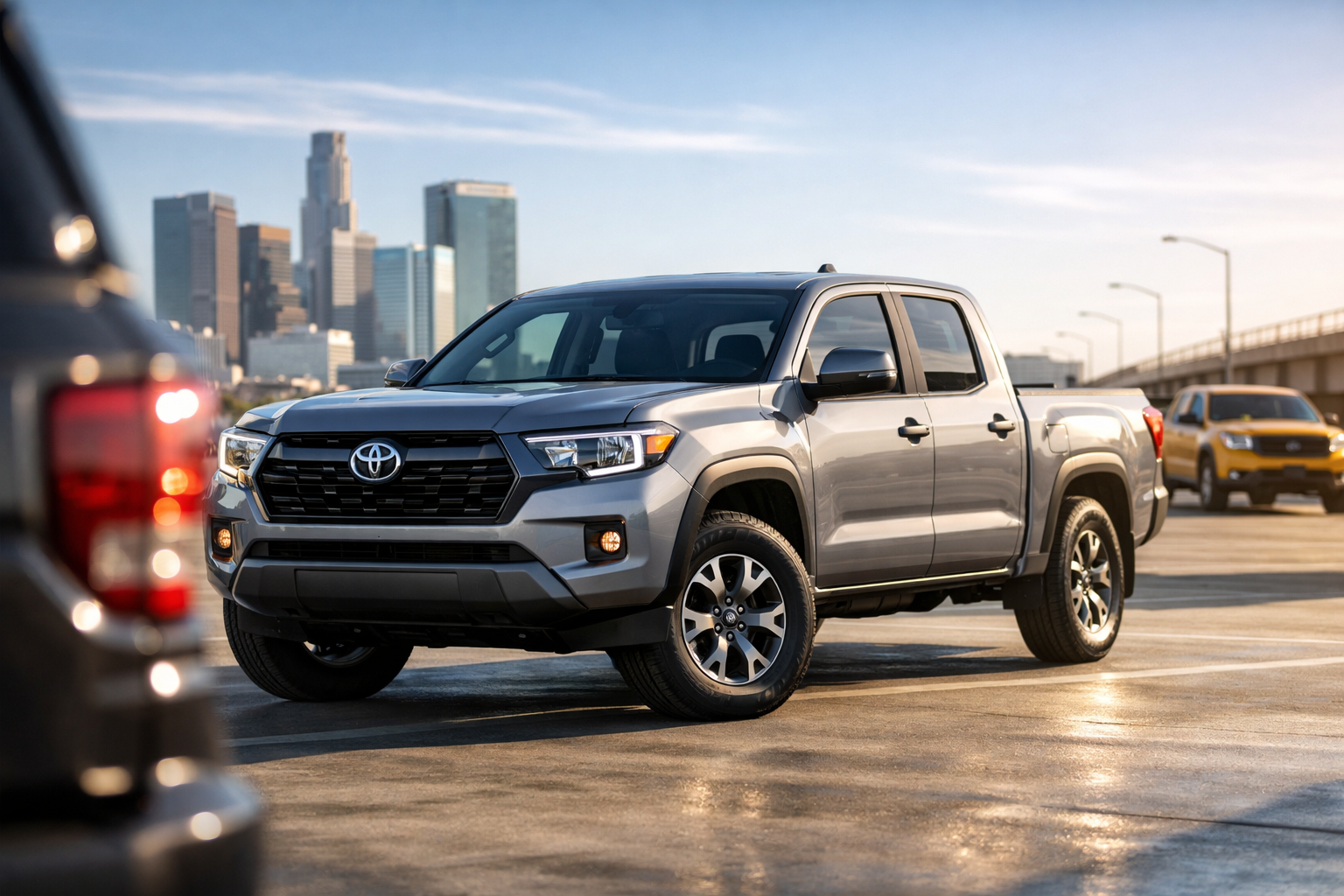
Here’s the question no one at Toyota wants to answer out loud: how did Ford build a $25,000 hybrid pickup that sells like concert tickets, and the masters of lean manufacturing are still “studying the segment”? The Toyota small truck everyone keeps whispering about should’ve been on sale yesterday.
The Ford Maverick moved over 90,000 units in the U.S. last year, with a base hybrid pumping out 191 horsepower and returning up to 42 mpg city. That’s not just good—that’s “I’ll cancel my compact SUV order” good. Meanwhile, Hyundai’s Santa Cruz is carving its own niche, and even Chevy is sniffing around with rumors of a smaller unibody pickup below the Colorado.
So why is Toyota—builder of the Hilux, Tacoma, and seemingly indestructible appliances on wheels—taking its sweet time on a Maverick rival? I’ve driven dozens of trucks over 15 years, and this hesitation is either genius-level patience… or corporate paralysis.
The Maverick Changed the Rules Overnight
Let’s be clear: the Maverick didn’t just create a segment; it embarrassed the industry. Starting around $25,000 (check the manufacturer website for latest pricing), offering a 2.5-liter hybrid with 191 hp, 0-60 mph in about 7.5 seconds, and front-wheel drive as standard—it proved Americans don’t need 6,000-pound bro-dozers for a Home Depot run.
Hyundai answered with the Santa Cruz (starting around $27,000), leaning into lifestyle vibes and a turbocharged 2.5-liter making up to 281 hp. The Honda Ridgeline continues to exist in its own comfy dad-core universe at approximately $40,000. But it’s the Maverick that nailed the sweet spot: cheap, efficient, useful.
Toyota sees those numbers. They’re not blind. The Tacoma still starts around $31,000 for 2025, and while it’s brilliant off-road, it’s overkill for someone who just wants to haul mulch and a mountain bike.
Why the Toyota Small Truck Isn’t a Rushed Job
Here’s the thing about Toyota: they don’t do “quick.” They do “right, eventually.” This is the same company that hybridized half the planet while others were arguing about V8 burble.
A proper Toyota small truck will almost certainly ride on a car-based platform—think Corolla Cross or RAV4 architecture—with a hybrid option baked in from day one. And unlike Ford’s early wiring harness and quality niggles, Toyota will obsess over durability testing until the engineers are dreaming in torque specs.
That caution matters. As we’ve discussed in EV Software Recalls: The New Normal?, rushing tech to market often means owners become beta testers. Toyota’s brand is built on not making you visit the dealer unless it’s for free coffee and a 10,000-mile service.
Hybrid Is Non-Negotiable
If Toyota launches this thing without a hybrid, I’ll eat my press badge. The Maverick’s 42 mpg city rating (per FuelEconomy.gov) is its killer app. A gas-only truck in this segment would be like releasing a smartphone without a camera.
Toyota’s 2.0- or 2.5-liter hybrid systems already make between 169 and 219 hp in various applications. In a lightweight unibody pickup targeting a starting price around $24,000–$28,000, that’s the magic formula. Give it standard FWD, optional AWD, and a towing capacity of roughly 2,000–3,500 pounds, and you’ve got suburban gold.
Hot take: Toyota should skip a base gas engine entirely. Yes, it’ll raise the entry price by a grand or two. But it would instantly position the Toyota small truck as the efficiency king, not a budget compromise.
Protecting Tacoma Sales Is the Real Chess Game
This is where it gets juicy. Toyota sells over 200,000 Tacomas a year. That’s a cash cow with mud tires. A cheap unibody truck could cannibalize those sales faster than you can say “TRD Pro.”
But here’s the uncomfortable truth: if Toyota doesn’t cannibalize itself, Ford will. Maverick buyers aren’t all former sedan owners; some are downsizing from midsize trucks because they’re tired of 18 mpg and $700 tire sets.
We’ve already seen how fierce this space is becoming in our Midsize Truck Wars: Why the Segment Is Booming deep dive. A compact pickup isn’t a threat to Tacoma’s off-road credibility—it’s a gateway drug. Get them in young, then upsell them later.
Design: Rugged or RAV4 With a Bed?
This is where Toyota must avoid laziness. Slapping a bed onto a Corolla Cross and calling it a day would be the automotive equivalent of reheating leftovers. Doug DeMuro would have a field day pointing out cost-cutting quirks.
It needs visual toughness—chunky fenders, usable tie-down points, clever bed storage. The Maverick’s FLEXBED system is genuinely smart. Hyundai’s Santa Cruz looks like it wandered off a concept stand from Concept Cars Are Getting Wilder Again.
Toyota can’t afford to be boring here. Function-first, yes. But give us something that doesn’t look like a rental-spec crossover with a mullet.
Pricing: The Make-or-Break Factor
If this thing starts north of $30,000, it’s dead on arrival. Full stop. The Maverick’s entire appeal is affordability, and even with inflation nibbling at the edges, the psychological $25K barrier matters.
Toyota’s challenge is building it profitably in North America to avoid tariff drama and currency headaches. The business case has to work long-term, not just for a flashy launch year.
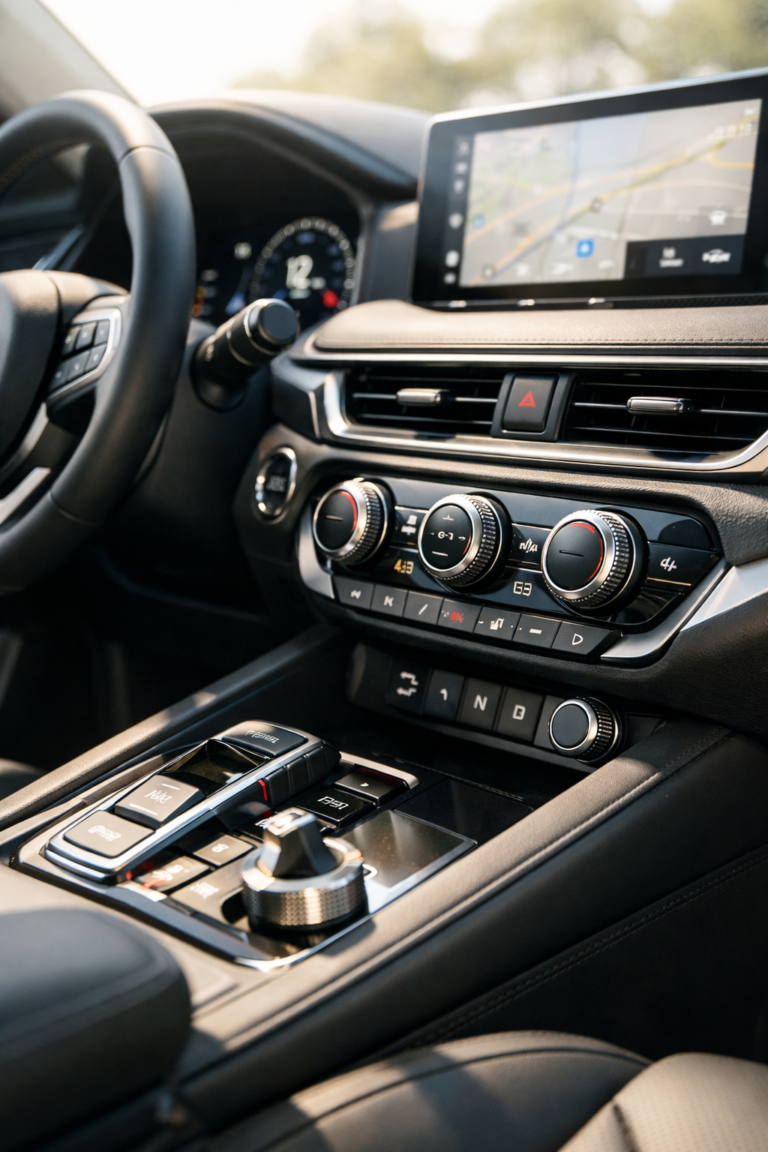
Expect trims to climb quickly into the low $30,000s with AWD and better tech. And please, Toyota, keep physical knobs. We’ve already ranted about how touchscreens went too far in cars. A work truck shouldn’t require a software update to adjust the climate control.
Pros
- Likely class-leading hybrid efficiency
- Toyota durability and resale value
- Potentially lower long-term ownership costs
- Strong brand loyalty and dealer network
Cons
- Risk of pricing too close to Tacoma
- Could cannibalize midsize truck sales
- Late to a rapidly growing segment
If Toyota nails the formula—hybrid standard, sub-$28K entry, clever practicality—the Toyota small truck could redefine the segment all over again. But if they overthink it, overprice it, or under-design it, Ford will keep laughing all the way to the bank. Sometimes, playing the long game only works if you actually show up to the match.
Frequently Asked Questions
When will the Toyota small truck be released?
Toyota has not announced an official release date as of early 2026. Industry expectations point to a possible 2026 or 2027 model year launch, depending on development timelines.
Will the Toyota small truck be a hybrid?
All signs suggest yes. Toyota’s existing 2.0- and 2.5-liter hybrid systems make 169–219 hp and would be ideal for competing with the 191-hp Ford Maverick Hybrid.
How much will it cost?
Expect a starting price around $24,000 to $28,000 if Toyota wants to compete directly with the Maverick. Final pricing will depend on trim levels and standard hybrid equipment.
Will it replace the Toyota Tacoma?
No. A compact unibody pickup would sit below the Tacoma, which starts around $31,000 and offers body-on-frame toughness and serious off-road capability.