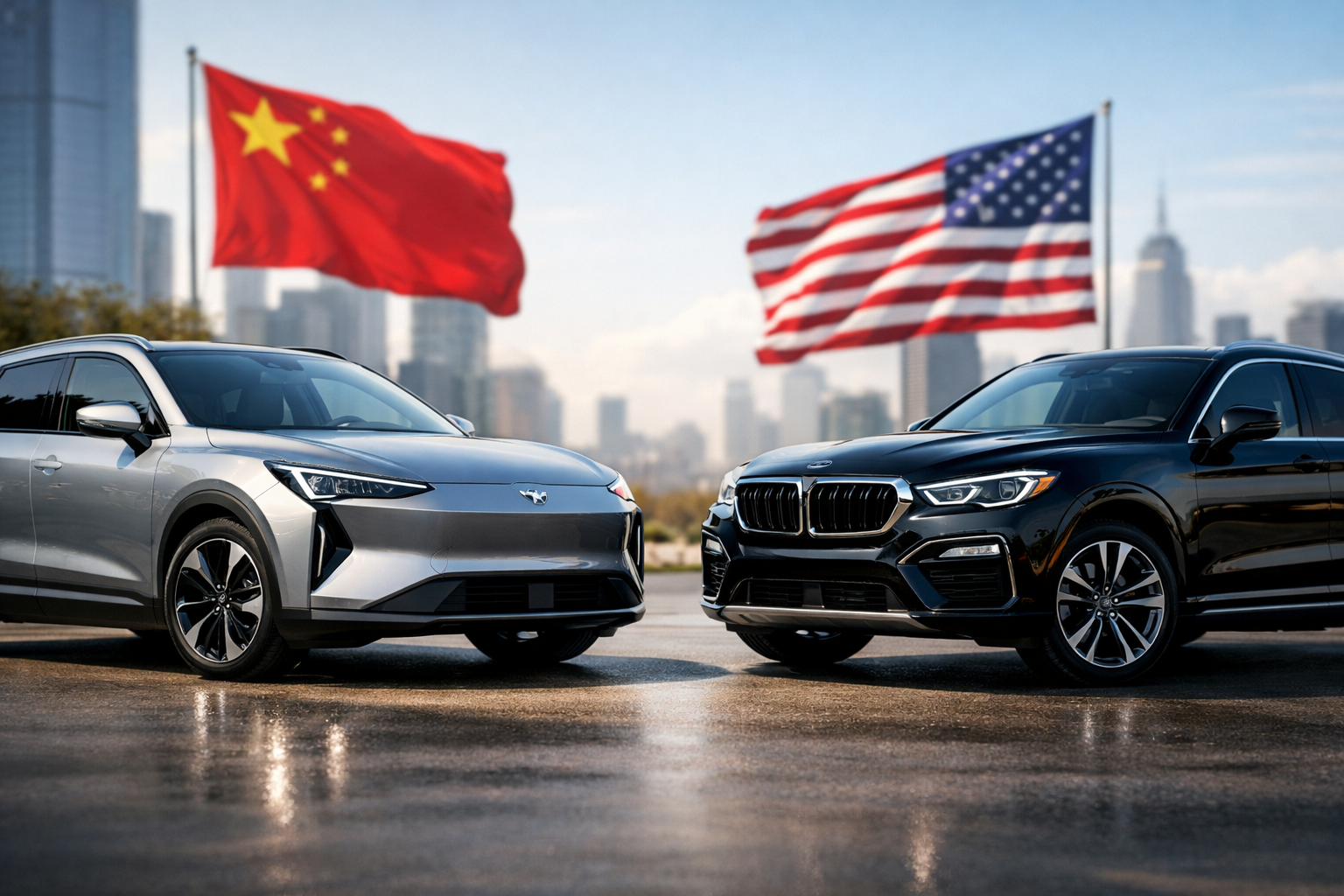

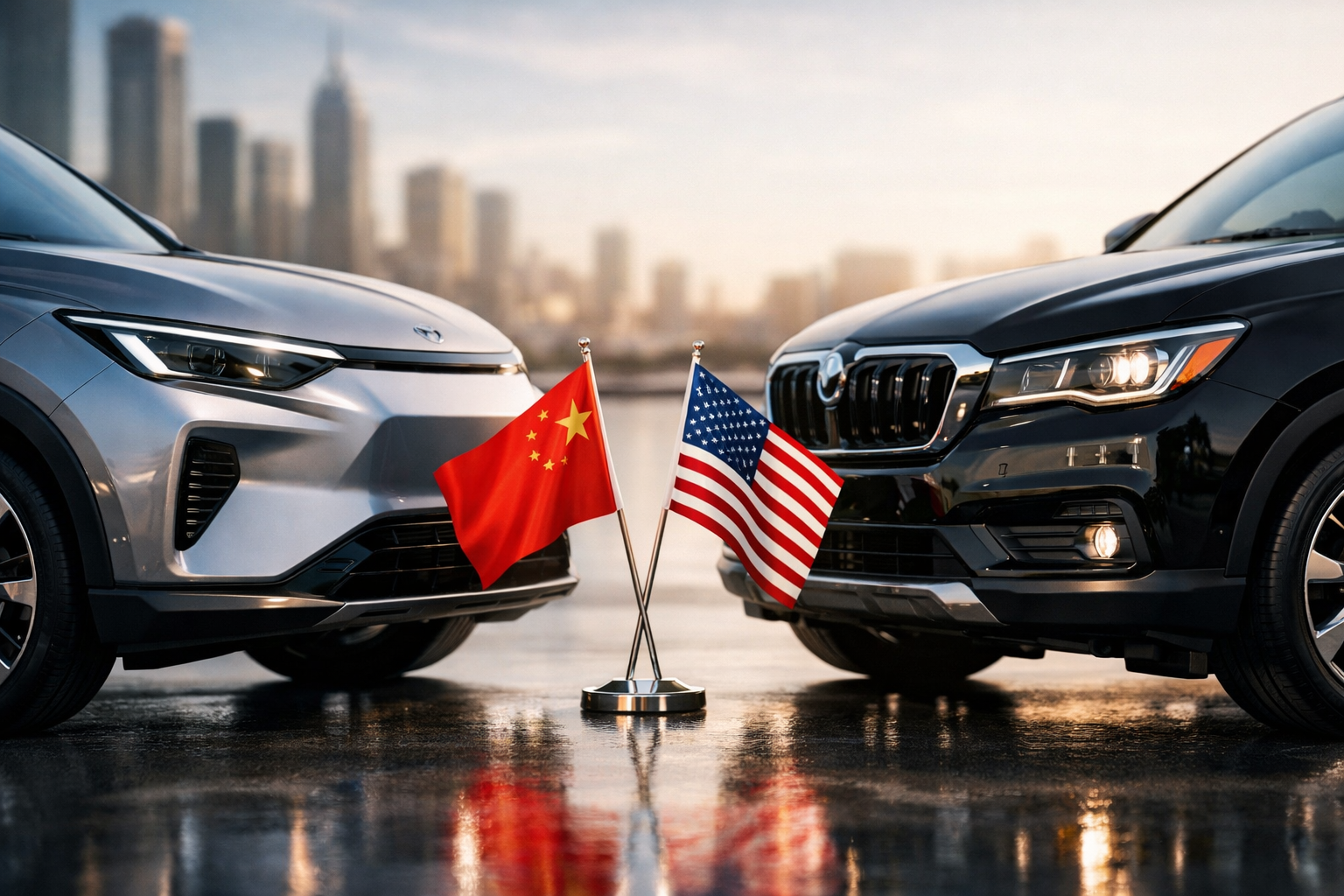
Here’s a question guaranteed to ruin Thanksgiving dinner: would you buy a brilliant EV if it was built in China? Because like it or not, Chinese cars USA shoppers are debating that exact thing in 2026—and it’s no longer hypothetical.
BYD is outselling Tesla globally. Geely owns Volvo and Polestar. SAIC builds cars that would make a mid-level VW engineer sweat. Meanwhile, Washington is waving tariff sticks, Europe is investigating subsidies, and your neighbor thinks buying an EV is a geopolitical statement. The car world has turned into a Cold War with charging cables.
So should you, the person who just wants 300 miles of range and heated seats that actually heat, care about EV nationalism and auto industry politics? Or is this all noise while the real battle is fought on price, software, and who can build a battery that doesn’t cost as much as a small yacht?
Why This Suddenly Matters to American Buyers
For decades, “foreign car” meant Japanese or German. Now the conversation around Chinese cars USA buyers might see is wrapped in tariffs that can exceed 25%—and sometimes far more when stacked with EV-specific duties. That can turn a $30,000 electric crossover into a $45,000 political football overnight.
Governments argue it’s about national security and protecting jobs. Automakers argue it’s about “fair competition,” which is corporate-speak for “please don’t let them undercut us by $10,000.” You, meanwhile, are staring at a Tesla Model Y starting around $44,990 (check Tesla’s website for latest pricing) and wondering why a similarly sized BYD in Europe costs thousands less.
This isn’t abstract. It affects tax credits, availability, dealer support, and even software updates. Politics now shapes your driveway more than horsepower figures do.
The Product Reality: Are Chinese Brands Actually Good?
Short answer? Yes. Annoyingly good, in some cases. I’ve sampled enough global-market models to say this: the stereotype of flimsy knockoffs is about as outdated as a 4-speed automatic.
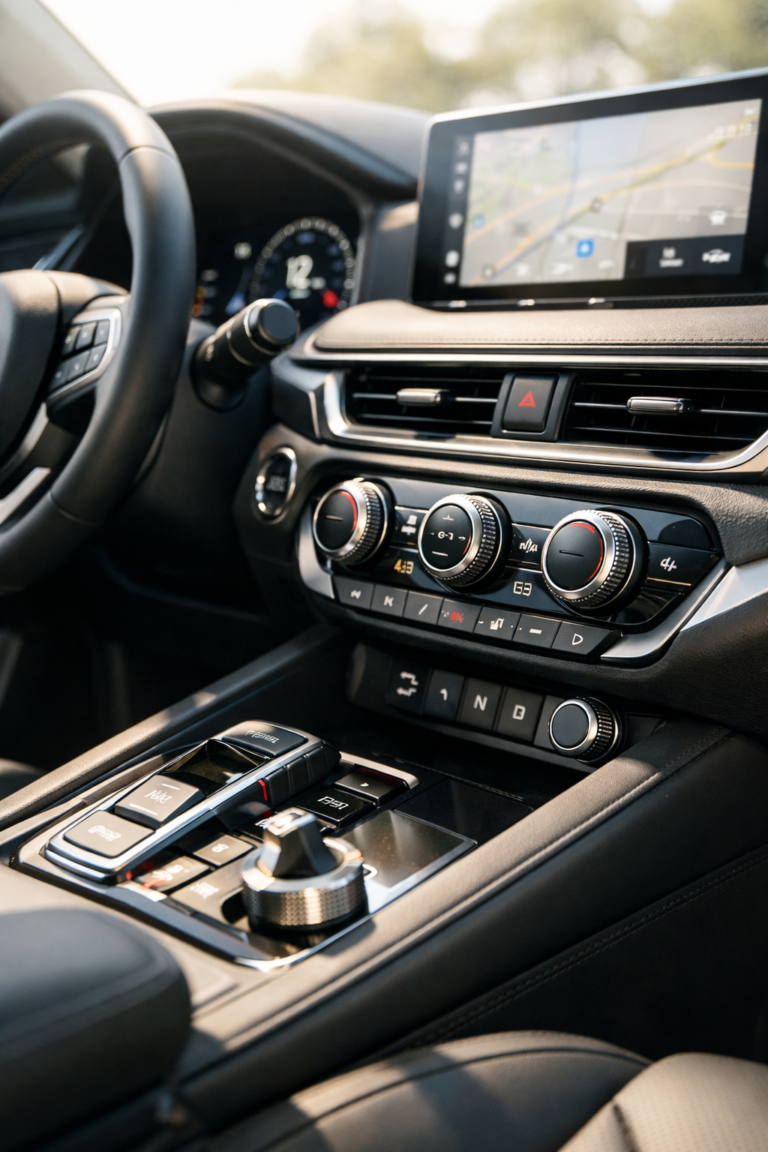
BYD’s latest EV platforms deliver 300–400 miles of range, 0–60 mph in under 4.0 seconds for performance trims, and interiors that would embarrass a base Mercedes EQB. Geely’s influence on Volvo and Polestar is obvious—solid build quality, clever packaging, and software that doesn’t feel like it was coded during a lunch break.
Here’s the hot take: some legacy brands are more complacent than concerned. We’ve already seen what happens when companies ignore enthusiasts—just read our take on the C63 four-cylinder controversy. Underestimate customers at your peril.
EV Nationalism: Follow the Battery Money
If you want to understand EV nationalism, don’t look at badges—look at batteries. China controls a massive chunk of global lithium refining and battery cell production. That’s not opinion; that’s supply chain math.
When the U.S. ties federal tax credits to domestic battery sourcing, it’s effectively steering you toward certain brands. A Hyundai Ioniq 5, Ford Mustang Mach-E, or Chevrolet Equinox EV might qualify depending on assembly and sourcing details. Check FuelEconomy.gov for current eligibility and EPA range figures.
This means two cars with identical 0–60 times—say 5.0 seconds—and 300-mile ranges can have wildly different effective prices once incentives and tariffs are baked in. That’s not engineering; that’s geopolitics with a charging port.
How Legacy Brands Are Responding
Toyota is doubling down on hybrids. GM is betting on Ultium-based EVs with 319-mile claims in models like the Blazer EV. Ford is restructuring its entire EV division after margin pressures. And Mercedes? It’s building 1,000+ horsepower electric monsters like the one in our AMG Electric SUV review to remind everyone it still knows how to party.
But here’s the uncomfortable bit: many “legacy” cars already rely on Chinese components. Batteries, semiconductors, rare earth materials—you name it. The idea that buying a Detroit badge is somehow geopolitically pure is, frankly, naive.
Even Tesla sources globally. Volvo is owned by Geely. Polestar is basically a Swedish-Chinese fusion dish. The lines are blurrier than a Nürburgring lap filmed on a potato.
Quality, Safety, and the Trust Question
Let’s address the elephant in the showroom: safety and long-term reliability. U.S.-market vehicles must meet federal standards and are rated by NHTSA. Any brand selling here has to clear that bar—Chinese or not.
Build quality? In many cases, it’s shockingly solid. Panel gaps are tight, paint finishes are deep, and infotainment systems feel more like smartphones than afterthoughts. If anything, some American and European brands have been caught cutting corners while charging $60,000 for crossovers with plastics that feel like takeaway containers.
The real unknown is dealer network and parts availability. A Toyota RAV4 will be serviceable in rural Montana. A brand-new entrant might leave you waiting three weeks for a control module. That’s not political—it’s practical.
The Consumer Dilemma: Vote With Your Wallet or Your Right Foot?
Some buyers genuinely care about supporting domestic manufacturing. Fair enough. The auto industry employs hundreds of thousands of Americans, and that matters.
But here’s my controversial stance: your primary responsibility as a buyer is to yourself. If a car offers 350 miles of range, 3.8-second 0–60 mph, over-the-air updates that actually improve things, and starts around $35,000, it deserves consideration—regardless of passport.
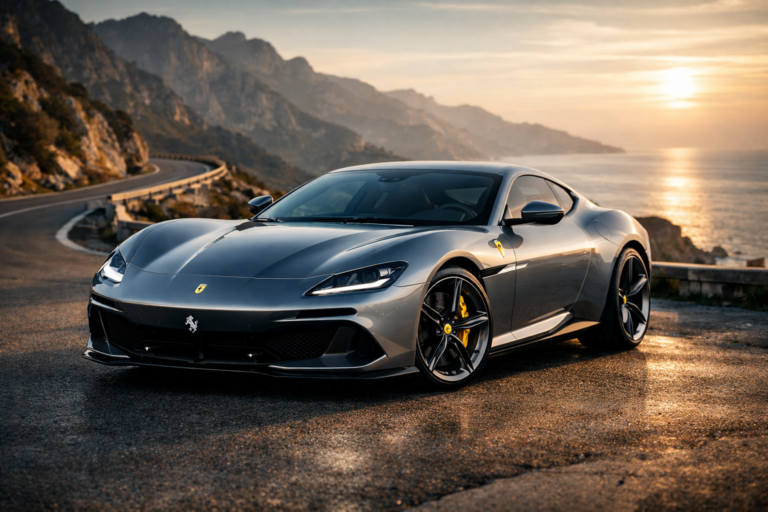
We don’t boycott Italian supercars because of trade policy. We don’t reject Japanese hot hatches over 1980s economics. Cars should be judged on engineering, value, and how they make you feel when you floor it merging onto the interstate.
What Happens Next for Chinese Cars USA Buyers?
Expect more joint ventures, more U.S.-based factories, and more political theater. Tariffs may rise or fall, but the technology gap is closing fast. In some areas—battery chemistry and cost efficiency—Chinese firms are arguably ahead.
Legacy brands will either innovate or retreat into protectionism. And consumers will continue doing what they’ve always done: chasing the best mix of price, performance, and reliability.
The smart play? Ignore the flag on the hood and scrutinize the spec sheet. Compare range (300 vs 320 miles), warranty (8 years/100,000 miles on batteries is common), software support, and total cost of ownership. Then decide if the car fits your life—not a politician’s speech.
Pros
- Increased competition lowers prices and improves tech
- Faster EV innovation, especially in batteries
- More choice in design, performance, and features
- Pressure on legacy brands to stop being complacent
Cons
- Tariffs can inflate prices unpredictably
- Uncertain dealer and service networks for new entrants
- Political tensions may affect long-term availability
My verdict? You should care about where your car is built—but not more than how well it’s built. Chinese cars USA shoppers may see in the coming years will force legacy brands to raise their game, and that’s brilliant news for anyone who loves cars. In the end, horsepower doesn’t have a nationality.
Frequently Asked Questions
Are Chinese cars legal to sell in the United States?
Yes, if they meet all federal safety and emissions standards. Any vehicle sold in the U.S. must comply with NHTSA and EPA regulations, regardless of where it’s built.
Why are Chinese cars often cheaper than competitors?
Lower production costs, strong battery supply chains, and government support help reduce prices. However, U.S. tariffs can significantly increase final sticker prices.
Should I avoid Chinese cars USA dealers may offer because of politics?
That depends on your priorities. From a product standpoint, many are competitive in range (300+ miles) and performance. Political considerations are personal, but evaluate the car’s quality and support network first.
Do Chinese EVs qualify for U.S. federal tax credits?
Often no, especially if battery sourcing or final assembly doesn’t meet domestic requirements. Check FuelEconomy.gov for current eligibility details before buying.