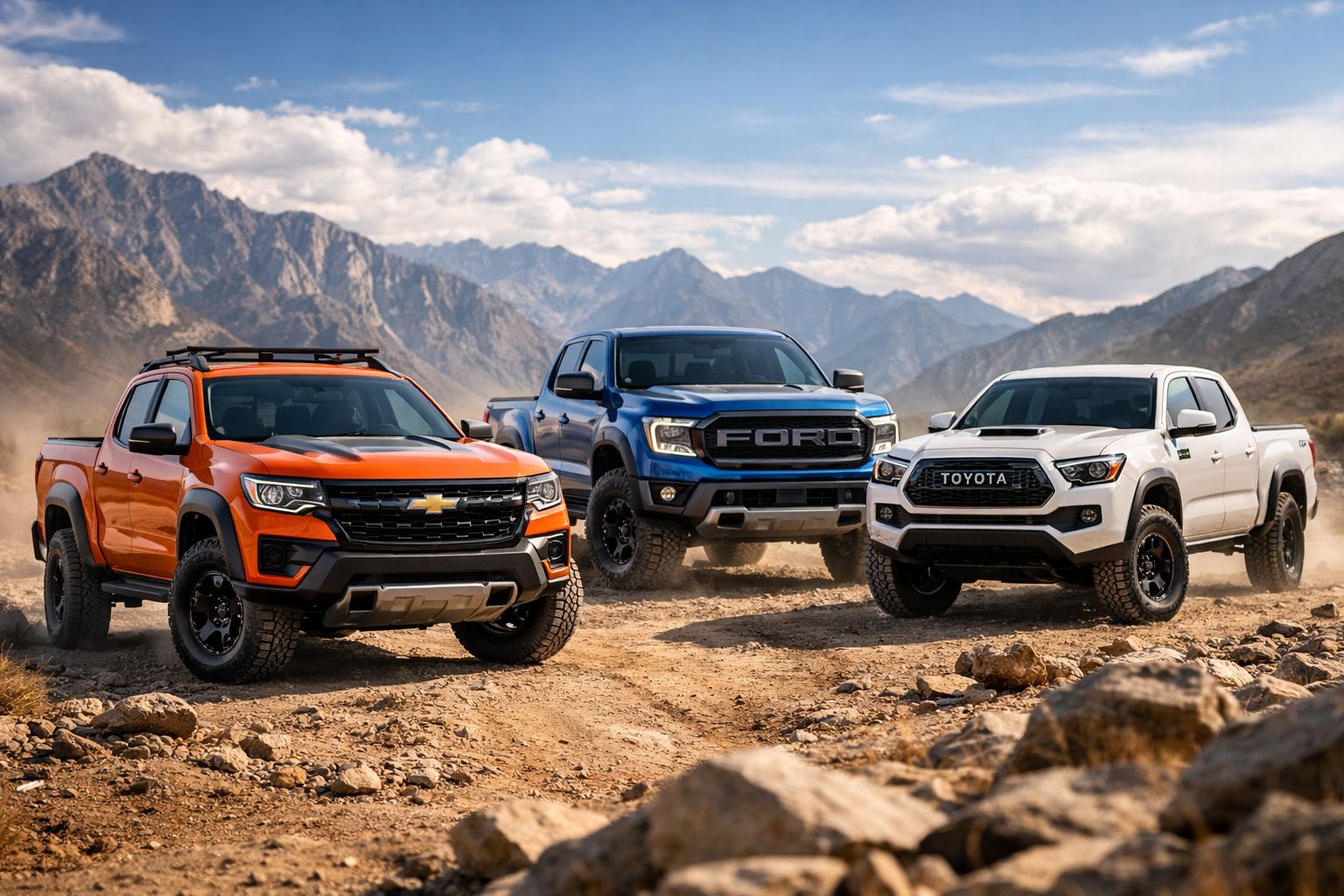

Here’s a stat that should make Detroit spit out its black coffee: midsize trucks 2026 sales are up double digits while full-size pickups are cooling off. After years of supersized $70,000 bro-dozers, buyers are rediscovering that not everyone needs a vehicle the size of a suburban bungalow to buy mulch and tow a jet ski.
I’ve driven dozens of SUVs and trucks over the last 15 years, and the shift is obvious. People are fed up with $900 monthly payments, 18 mpg reality, and parking lots that feel like naval dockyards. The truck market is recalibrating, and right now the sweet spot is squarely in the middle.
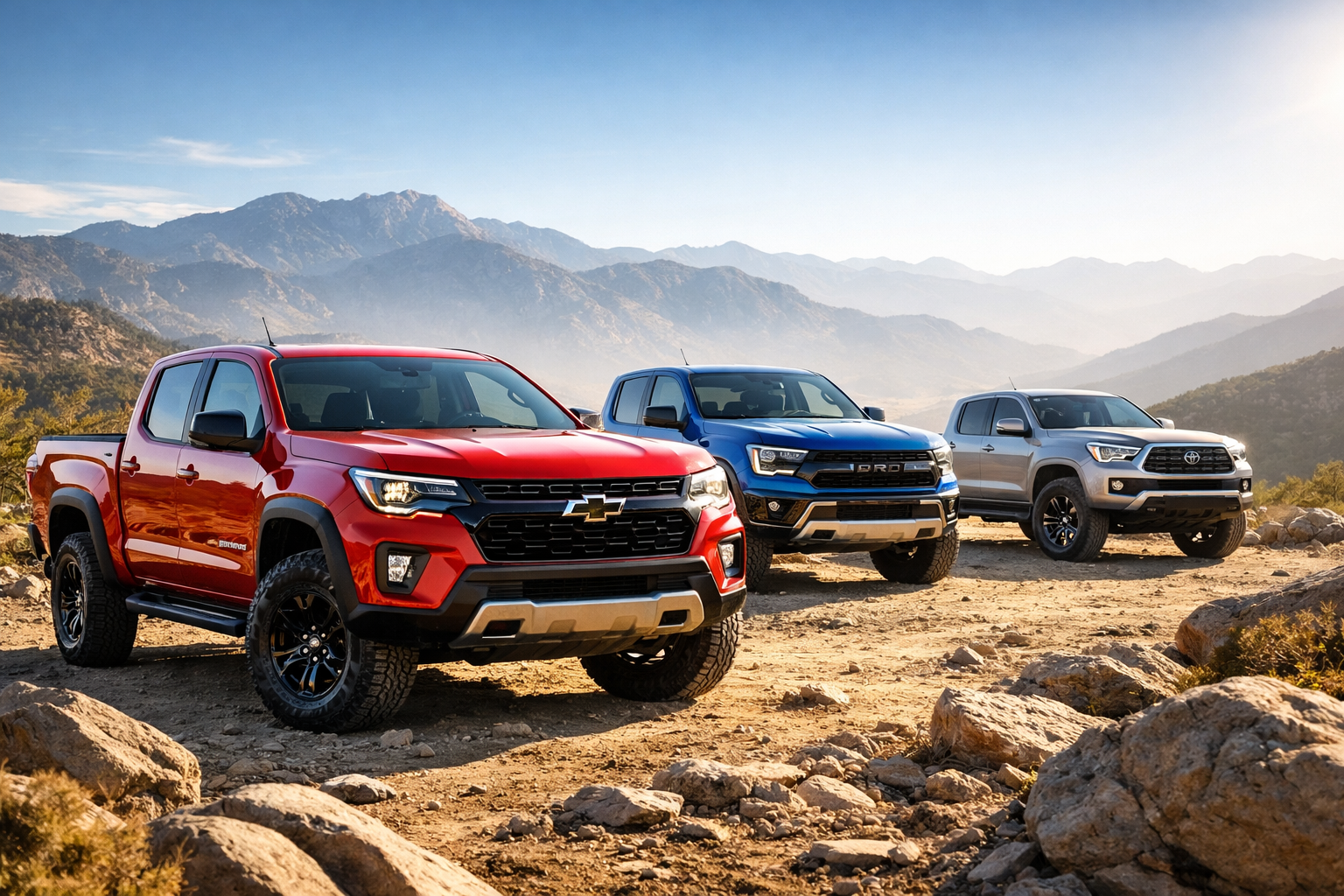
This isn’t nostalgia for the old compact pickups of the ‘90s. The new Tacoma, Ranger, and Colorado are turbocharged, tech-packed, and in some trims genuinely quick. The midsize fight has become the most interesting brawl in the entire truck world—and yes, it matters to you if you’re about to sign a five-year loan.
Why Midsize Trucks 2026 Are the Hottest Ticket in the Truck Market
The 2025–2026 Toyota Tacoma starts around $31,500 (check manufacturer website for latest pricing), the 2026 Ford Ranger around $33,000, and the Chevrolet Colorado roughly $31,000. Compare that to a Ford F-150 or Chevy Silverado nudging $40,000 before options, and the math becomes deliciously obvious.
But it’s not just price. Fuel economy hovers around 19–21 mpg city and 23–25 mpg highway for most turbo-four variants, according to FuelEconomy.gov. That’s not Prius territory, but it’s a meaningful improvement over a thirsty V8 full-sizer wheezing at 17 mpg combined.
And let’s be honest: most truck owners tow fewer than 5,000 pounds and rarely max out payload. A properly specced Ranger or Colorado can tow up to 7,700 pounds. That’s boats, small campers, and project cars sorted—without feeling like you’re piloting a freight train.
The Contenders: Tacoma, Ranger, Colorado (And a Few Gatecrashers)
The holy trinity right now is Tacoma Ranger Colorado. Toyota’s 2025 Tacoma went all-in on turbocharged 2.4-liter engines, ranging from 228 hp to 278 hp and up to 317 lb-ft of torque. There’s even a hybrid i-Force Max pushing 326 hp and a stump-pulling 465 lb-ft.
Ford’s 2026 Ranger offers a 2.3-liter EcoBoost with 270 hp and 310 lb-ft, while the Ranger Raptor’s twin-turbo 3.0-liter V6 hammers out 405 hp. Yes, 405 hp in a midsize truck. That’s hot-hatch power in a pickup with skid plates.
Chevy counters with the Colorado’s 2.7-liter turbo four, making up to 310 hp and 430 lb-ft in high-output form. That torque figure would’ve embarrassed half-ton V8s a decade ago. Nissan’s Frontier and the Jeep Gladiator are still in the mix, but right now they feel like they’re playing catch-up.
If you want a deep dive into two of these heavyweights, check out our Ford Ranger vs Colorado: 2026 Truck Comparison. It’s a proper nerd-out.
Design: Tough Without Looking Try-Hard
The new Tacoma looks like it bench-presses Tacomas. Chunky fenders, squared-off lines, and TRD trims that scream Baja fantasy. Toyota finally gave it presence without resorting to chrome moustaches.
The Ranger is more European in its restraint—clean, upright, purposeful. The Raptor variant, though, is all flared arches and attitude, like it just watched too many Ken Block videos. The Colorado splits the difference: aggressive but not cartoonish.
Hot take: midsize trucks look better proportioned than most full-size rigs. There, I said it. They don’t need 24-inch wheels and a ladder to climb into the driver’s seat to look tough.
Driving Experience: Smaller Is Simply Better
Here’s the bit YouTube rarely shows properly: how these trucks feel on a twisty road. A midsize truck weighs roughly 4,500 to 5,200 pounds. A full-size can push past 5,500. That 500–1,000-pound difference is everything.
The Ranger with the 2.3-liter hits 0–60 mph in about 6.5 seconds. The Colorado high-output is in the mid-6s. The Ranger Raptor? About 5.3 seconds, which is absurd for something with a bed and recovery hooks.
Steering is tighter, body roll is more controlled, and you don’t feel like you’re negotiating a cruise ship through city traffic. I’ve hustled a Colorado ZR2 down a back road and genuinely enjoyed it. Try saying that about a base Silverado.
Tech, Interiors, and the “SUV-ification” of Trucks
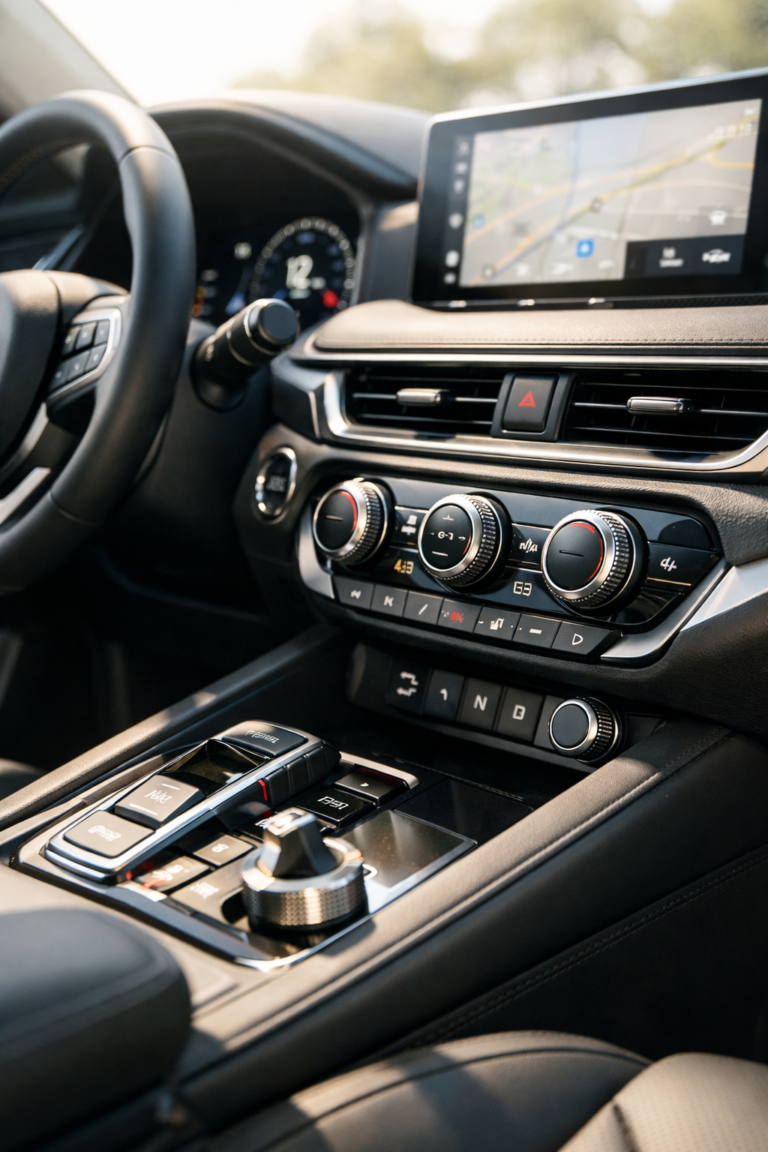
Step inside a 2026 Tacoma Limited and you’re greeted by a 14-inch touchscreen, digital gauges, and more drive modes than a video game. Ford’s SYNC 4 system in the Ranger is quick and intuitive. Chevy’s Google-based infotainment remains one of the best in the business.
These aren’t vinyl-seat farm tools anymore. Heated seats, wireless CarPlay, adaptive cruise control, and 360-degree cameras are common. Safety ratings can be checked via NHTSA.gov, and most trims pack blind-spot monitoring and lane-keeping tech.
This SUV-ification is exactly why the segment is exploding. People cross-shop a Tacoma with a Honda Passport or Ford Edge. If you’re debating that route, our piece on the three-row SUV as the “safest bet” might surprise you.
Value Breakdown: Where the Money Actually Goes
Here’s where midsize trucks 2026 really shine. For around $40,000, you can get a well-equipped Tacoma TRD Off-Road, Ranger XLT FX4, or Colorado Z71 with genuine off-road hardware—locking diffs, skid plates, all-terrain tires.
Spend $55,000–$57,000 and you’re in Ranger Raptor or Tacoma TRD Pro territory. That’s serious capability for thousands less than a comparably equipped F-150 Raptor. And unless you’re towing 10,000 pounds weekly, you won’t miss the extra bulk.
Yes, some trims creep dangerously close to full-size pricing. That’s the danger zone. If your midsize build hits $60K, you need to have a serious chat with yourself—and possibly your accountant.
The Hybrid Question and What’s Next
Toyota’s hybrid Tacoma is the canary in the coal mine. With 326 hp and monster torque, it proves electrification doesn’t have to mean boredom. If you want context on how buyers are weighing these choices, our Hybrid vs Electric: A Smart Buyer’s Guide breaks it down.
Don’t expect full EV midsize trucks to dominate tomorrow. Battery cost and towing range remain question marks. But torque-rich hybrids? That’s the sweet spot for the truck market over the next five years.
And here’s my controversial take: the V8 is on borrowed time in anything smaller than a half-ton. If you’re still clinging to eight cylinders for emotional reasons, I get it—I’ve waxed lyrical about them before—but the new turbo fours are simply better at the job.
Pros
- Better maneuverability than full-size trucks
- Strong turbocharged torque and quick acceleration
- Improved fuel economy (low-20s mpg combined)
- High-end trims rival luxury SUVs in tech
Cons
- Top trims approach full-size pricing
- Rear-seat space still tight for tall adults
- Ride quality can be firm on off-road suspensions
The midsize trucks 2026 resurgence isn’t a fad—it’s a correction. Tacoma Ranger Colorado have turned the middle child of the truck market into the star athlete. If you want something that fits in a parking space, hauls your toys, and doesn’t require a second mortgage, this is where the smart money is going.
Frequently Asked Questions
Why are midsize trucks 2026 becoming so popular?
They offer lower starting prices (around $31,000–$33,000), better fuel economy in the low-20s mpg range, and easier maneuverability than full-size trucks while still towing up to 7,700 pounds.
Which is better: Tacoma, Ranger, or Colorado?
The Tacoma excels in reliability reputation and hybrid torque, the Ranger offers strong turbo performance and the 405-hp Raptor, and the Colorado delivers class-leading torque up to 430 lb-ft.
Are midsize trucks good for towing?
Yes. Most properly equipped models tow between 7,000 and 7,700 pounds, enough for boats, small campers, and car trailers, though heavy-duty towing still favors full-size pickups.
Do midsize trucks get better gas mileage than full-size trucks?
Generally, yes. Expect approximately 19–21 mpg city and 23–25 mpg highway for turbo-four midsize trucks, compared to high-teens combined figures for many V8 full-size models.