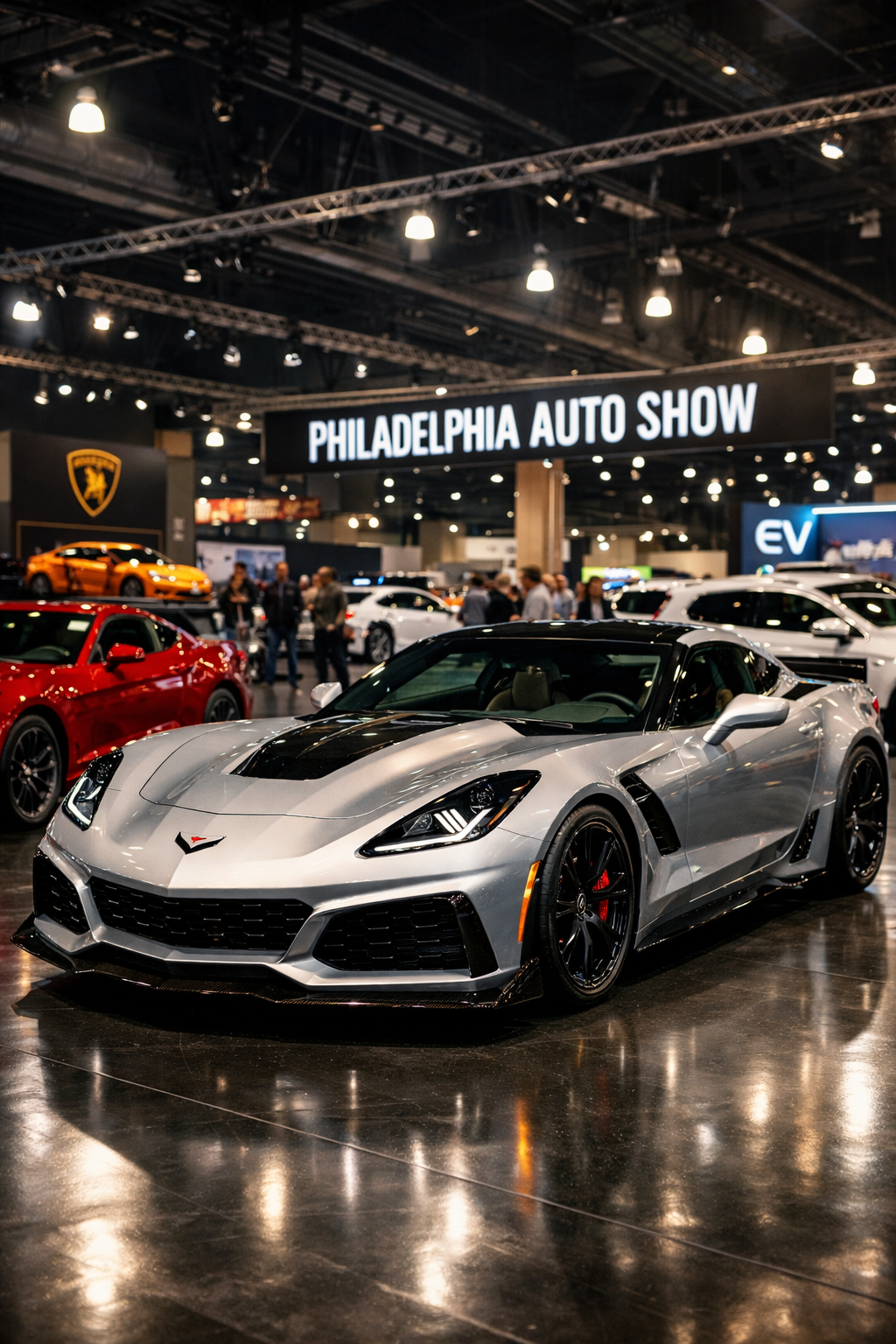

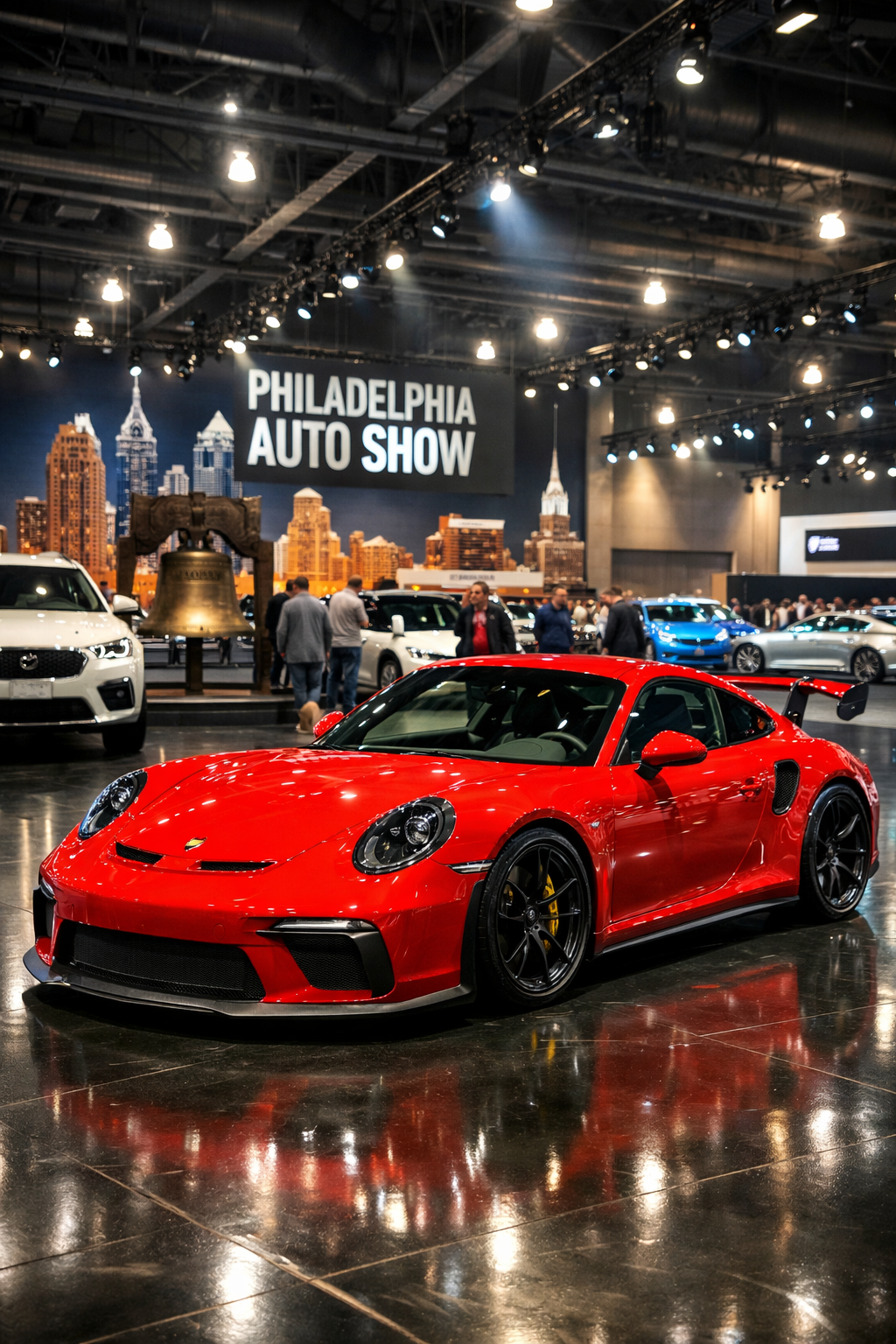
Auto shows were declared dead about as many times as the V8, and yet here we are—because the Philadelphia Auto Show just proved the obituary writers wrong. I walked the floor expecting corporate PowerPoints on wheels, and instead found metal, noise, and actual human enthusiasm. If you care about cars beyond press-release fluff, this matters right now.
Dealers are struggling, buyers are confused by EV alphabet soup, and TikTok has the attention span of a gnat—so why does a physical show still matter? Because standing next to a 2026 Mustang Dark Horse or a Rivian R2 concept does more for buyer confidence than 14 YouTube reviews ever will. The Philadelphia Auto Show reminded me why car events still punch above their weight.
Here’s the kicker: this revival isn’t nostalgia cosplay. It’s a recalibrated, enthusiast-first reboot that quietly embarrassed bigger names like Detroit, New York, and even LA for forgetting who shows are for. Yes, I said it.
Why the Philadelphia Auto Show Refuses to Die
While other shows chased crypto lounges and influencer pods, Philly doubled down on cars you can actually buy. Think 2025 Camry hybrids, 2026 Ford Ranger Tremors, and EVs priced starting around $35,000 instead of moon-bound hypercars. That’s smart community-first curation.
The attendance bump wasn’t accidental. Philly leaned into regional dealers, hands-on test rides, and fewer velvet ropes than a Berlin nightclub. I spoke to families comparing three-row SUVs like the Kia Telluride, Toyota Grand Highlander, and Chevy Traverse—real shoppers with clipboards, not hashtags.
Hands-On Beats Algorithm Every Time
Here’s my controversial hot take: auto shows are now more important than ever precisely because YouTube exists. Doug DeMuro can tell you about quirks, but he can’t replicate sitting in a seat for 20 minutes while your kid kicks the backrest. Philly got that.
Test tracks weren’t novelties either. EV ride-alongs finally explained torque better than any spec sheet, and I watched skeptical boomers grin like teenagers after a 0–30 mph shove. For context, a Mustang Mach-E GT still does 0–60 in approximately 3.5 seconds—no algorithm required.
Design Concepts Without the Corporate Nonsense
Concept cars returned, but mercifully without the buzzword soup. Instead of “mobility ecosystems,” we got tangible design previews you could debate over a beer. It echoed what we argued in why car design concepts still matter—they spark conversations that shape production cars.
Philly’s floor had future-forward ideas without insulting your intelligence. Hyundai’s modular interiors, Subaru’s rugged EV sketches, and Stellantis’ stubborn love for physical buttons earned real feedback. Imagine that—manufacturers listening.
Dealers, Buyers, and the Reality Check
Another win: dealers were present but not predatory. Inventory transparency mattered more than finance office theatrics, a theme we’ve covered in how dealers race to adopt CRM. Buyers asked about real numbers—APR, range, maintenance—not influencer merch.
I overheard one buyer cross-shopping a $42,000 CR-V Hybrid against a $39,000 RAV4 Prime, checking manufacturer websites for latest pricing on the spot. That’s the show doing its job—education first, pressure second.
How Philly Outplayed Bigger Shows
Detroit still owns heritage, New York has glamour, LA has EV hype—but Philly nailed relevance. Smaller footprint, better flow, and fewer booths wasting oxygen. It felt closer to Goodwood than a trade expo, minus the tweed.
And unlike Chicago or Miami, Philly didn’t pretend winter doesn’t exist. AWD demos, winter tire education, and honest talk about cold-weather range made this feel grounded. Real roads, real weather, real buyers.
Community Roots Matter More Than Ever
The quiet MVP was education. Local tech schools and community colleges showed pathways into automotive careers, echoing our praise for community college auto programs. That’s how you future-proof an industry.
Kids sat in cars, students talked torque curves, and parents asked about safety ratings on NHTSA.gov. That’s not flashy—but it’s vital.
The Bigger Picture for Auto Shows 2026
This revival fits a broader trend we outlined in the future of auto shows in 2026. Smaller, smarter, and more honest events are winning while bloated expos shrink. Philly didn’t chase hype; it earned trust.
For buyers overwhelmed by EV vs hybrid math—something FuelEconomy.gov still explains better than most OEMs—shows like this provide clarity. That’s value you can’t stream.
Pros
- Hands-on access to real, affordable 2025–2026 models
- Strong dealer transparency and buyer education
- Balanced mix of EVs, hybrids, and ICE vehicles
- Community-focused approach that feels authentic
Cons
- Fewer ultra-exotics for spec-sheet tourists
- Concepts still limited compared to LA or Detroit
- Regional focus means less global debut buzz
The Philadelphia Auto Show didn’t just survive—it adapted, and that’s the lesson. If other shows copy this playbook, the format has a future. If not, Philly will keep quietly winning while the big names wonder where everyone went.
Frequently Asked Questions
Is the Philadelphia Auto Show worth attending in 2026?
Yes. It offers hands-on access to 2025–2026 vehicles, test rides, and real buyer education without the chaos of larger shows.
How does the Philadelphia Auto Show compare to Detroit or New York?
It’s smaller but more relevant, focusing on affordable cars and local buyers rather than global debuts and spectacle.
Are there EVs and hybrids to test at the show?
Yes. Expect ride-alongs and demos for EVs and hybrids with staff explaining range, charging, and real-world use.
Do auto shows still matter in 2026?
Absolutely. Physical shows provide context, scale, and confidence that videos and configurators simply can’t replicate.