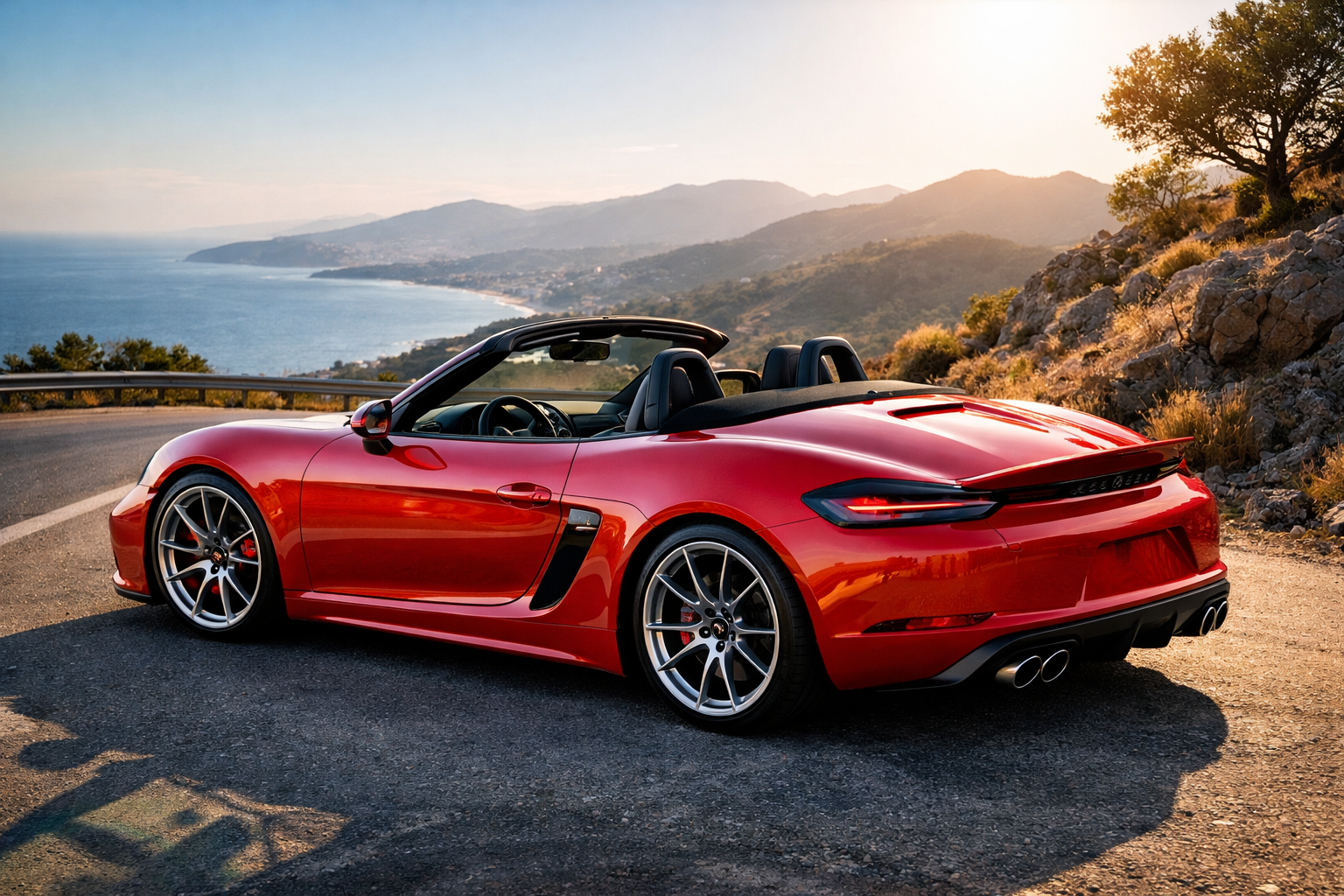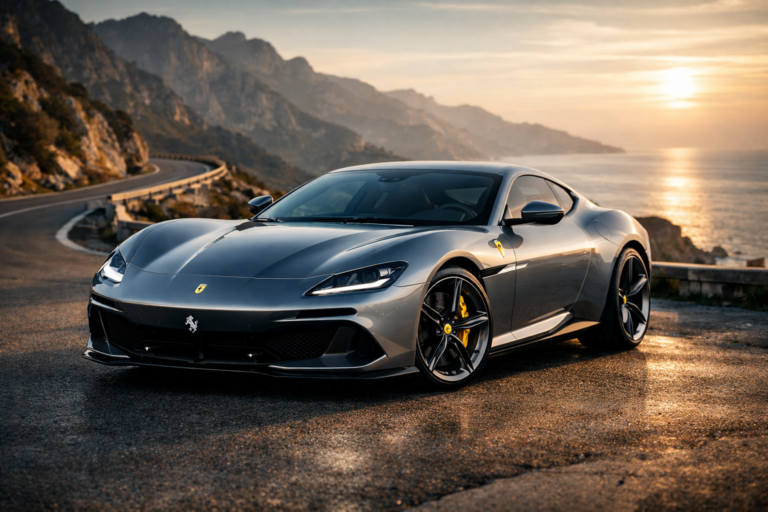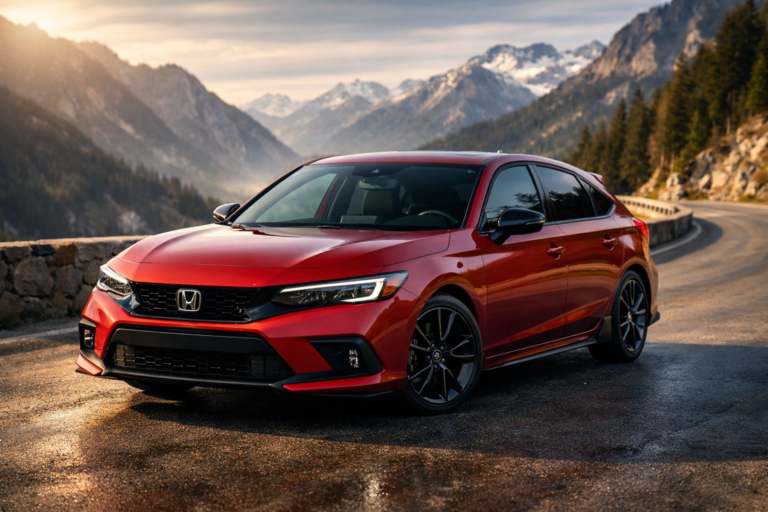

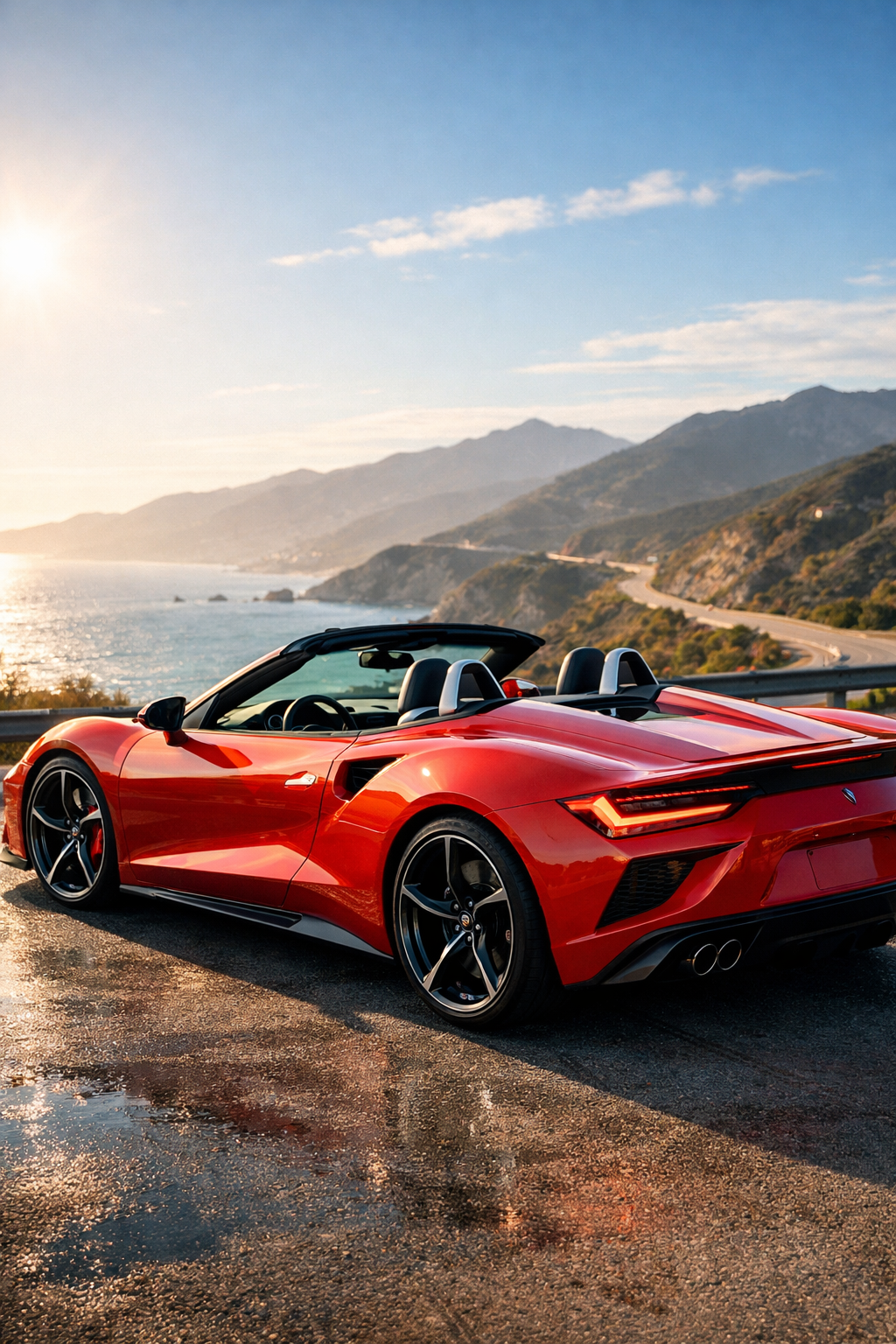
The hottest take I’ll give you in 2026 is this: convertible sports cars are more important now than they were 20 years ago. Yes, in an era of 700-hp electric SUVs and screens the size of iPads glued to dashboards, open-top machines are the last line of defense for actual driving joy. Convertible sports cars aren’t about lap times or LinkedIn bragging rights; they’re about reminding you why you fell in love with cars before algorithms got involved.
I’ve driven dozens of SUVs recently that all feel like the same beige appliance wearing different badges. Drop the roof on something like a Porsche 911 Cabriolet, though, and suddenly the world makes sense again. Wind noise, engine note, and the smell of hot brakes aren’t flaws—they’re features. And right now, as automakers chase EV credits and subscription revenue, that raw driving experience matters more than ever.
This isn’t nostalgia talking. This is about relevance. When everything accelerates in 3 seconds and steers itself, the emotional difference between cars shrinks, and open-top sports cars stretch that gap back open with a crowbar.
Why Convertible Sports Cars Still Matter in 2026
The uncomfortable truth is that modern performance numbers have become meaningless. A $60,000 EV crossover can hit 0–60 mph in 3.5 seconds, which means speed alone no longer thrills. Convertible sports cars restore context by making 60 mph feel fast again, thanks to noise, vibration, and exposure that no panoramic glass roof can replicate.
Take the 2025 Porsche 911 Cabriolet, starting around $128,000 (check manufacturer website for latest pricing). With approximately 379 hp in Carrera form and a 0–60 mph time of about 4.1 seconds, it’s slower than a Tesla Model Y Performance on paper. In reality, it feels alive in a way that EVs simply don’t, because your senses are involved, not insulated.
Competitors like the BMW Z4, Mercedes-AMG SL, and Chevrolet Corvette Convertible all play this game differently. But they share the same mission: reminding you that driving can be a physical experience, not just a digital one.
The Sensory Stuff You Can’t Download
Car companies love buzzwords like “immersive” and “holistic,” usually while bolting another screen onto the dash. The irony is that the most immersive driving experiences in 2026 come from removing things, not adding them. Take the roof off, and suddenly steering feel, throttle response, and chassis balance matter again.
I recently jumped from a 1,000-hp electric sedan into a Mazda MX-5 Miata, which still starts around $30,000 with 181 hp and a 0–60 time of roughly 5.7 seconds. Guess which one made me laugh out loud on a back road. The Miata’s throttle response is instant, its steering chatty, and with the top down, every input feels amplified.
This is why YouTube creators like Chris Harris, The Smoking Tire, and SavageGeese still obsess over convertibles. You can fake speed with horsepower, but you can’t fake sensation.
The Porsche 911 Cabriolet as the Gold Standard
If there’s a single car that proves open-top performance isn’t a compromise anymore, it’s the Porsche 911 Cabriolet. The roof goes up or down in about 12 seconds at speeds up to 30 mph, structural rigidity is excellent, and weight gain over the coupe is roughly 150 pounds. That’s engineering effort, not lazy design.
On a twisty road, the 911 Cabriolet still delivers rear-engine traction, precise steering, and brakes that could stop a charging rhino. With fuel economy hovering around 18 city / 25 highway mpg, it’s not cheap to run, but nobody buying one is counting pennies. They’re counting memories.
Compared to rivals like the Aston Martin Vantage Roadster, BMW M4 Convertible, and Lexus LC 500 Convertible, the 911 feels the most complete. It’s also the least shouty, which is either classy restraint or missed drama, depending on how much espresso you’ve had.
Yes, EVs Are Great—But They’re Terrible Convertibles
Here’s the controversial bit: electric cars make lousy convertible sports cars. Battery weight kills delicacy, and the lack of engine noise removes half the reason to drop the roof. An EV convertible without sound is like a pub with no beer—technically functional, spiritually bankrupt.
Manufacturers know this, which is why true EV convertibles remain rare in 2026. Even brands betting big on electrification still use halo convertibles to sell emotion, much like we discussed in why V12 engines refuse to die. Emotion sells cars long after spreadsheets say it shouldn’t.
Until synthetic soundtracks stop feeling like PlayStation startup noises, internal combustion convertibles will remain the emotional champions.
Value Isn’t About Price—It’s About Feeling
Not every great open-top experience costs six figures. The Toyota GR86 Convertible doesn’t exist, which is a crime, but the Subaru BRZ and Miata still deliver smiles per dollar that luxury brands can’t touch. Even used options like older Boxsters or S2000s offer more joy than many new $70,000 crossovers.
This ties directly into brand loyalty and emotional buying, something we’ve explored in how brand loyalty shapes buying choices. People stretch budgets for cars that make them feel something, and convertibles punch above their weight emotionally.
Hot take: I’d rather daily a $35,000 Miata than lease a $90,000 luxury SUV that drives itself. At least one of those makes Monday mornings tolerable.
They’re Impractical—and That’s the Point
Yes, convertible sports cars have tiny trunks, questionable rear seats, and roofs that will eventually squeak. That’s not a bug; it’s a feature. Cars that try to do everything usually end up doing nothing particularly well.
In a world obsessed with optimization, inefficiency becomes rebellious. Driving something impractical for the sheer joy of it is the automotive equivalent of buying vinyl records in the age of Spotify. If you need justification, you’re missing the point.
And if you’re worried about safety, modern convertibles score well in crash tests—check NHTSA.gov for ratings—so you’re not gambling your spine for style.
The Driving Experience Still Wins
At the pub, someone always asks me, “Aren’t convertibles outdated?” My answer is always the same: only if you think driving should feel like a conference call. The driving experience in an open-top sports car is still unmatched because it engages your whole body, not just your eyes.
Fuel economy? Sure, a 911 Cabriolet’s approximately 25 mpg highway isn’t Prius territory, but you don’t buy a sports car to save the planet one commute at a time. If efficiency is your priority, FuelEconomy.gov has plenty of excellent suggestions that won’t mess up your hair.
Convertible sports cars exist for moments, not metrics—and that’s why they still matter.
Pros
- Unmatched sensory driving experience
- Stronger emotional connection than coupes or EVs
- Modern engineering minimizes rigidity compromises
- Still available across multiple price points
Cons
- Higher cost than equivalent hardtops
- Less practical for daily utility
- Long-term roof maintenance concerns
Convertible sports cars aren’t dying—they’re filtering out people who never cared about driving in the first place. And honestly, that’s fine. The road is better when shared with people who still wave back.
Frequently Asked Questions
Are convertible sports cars practical in 2026?
They’re practical enough for daily driving but prioritize experience over cargo space. Most offer 2–7 cu ft of trunk space and modern safety tech.
Is the Porsche 911 Cabriolet worth the extra cost?
Yes, if you value open-air driving. Expect to pay approximately $10,000–$15,000 more than a coupe for similar performance.
Do convertible sports cars hold their value?
Models like the 911, Miata, and Corvette Convertible generally retain value well, especially with low mileage and proper maintenance.
Why do convertible sports cars still matter in 2026?
They deliver a driving experience that EVs and SUVs can’t replicate, emphasizing sound, feel, and emotional engagement.