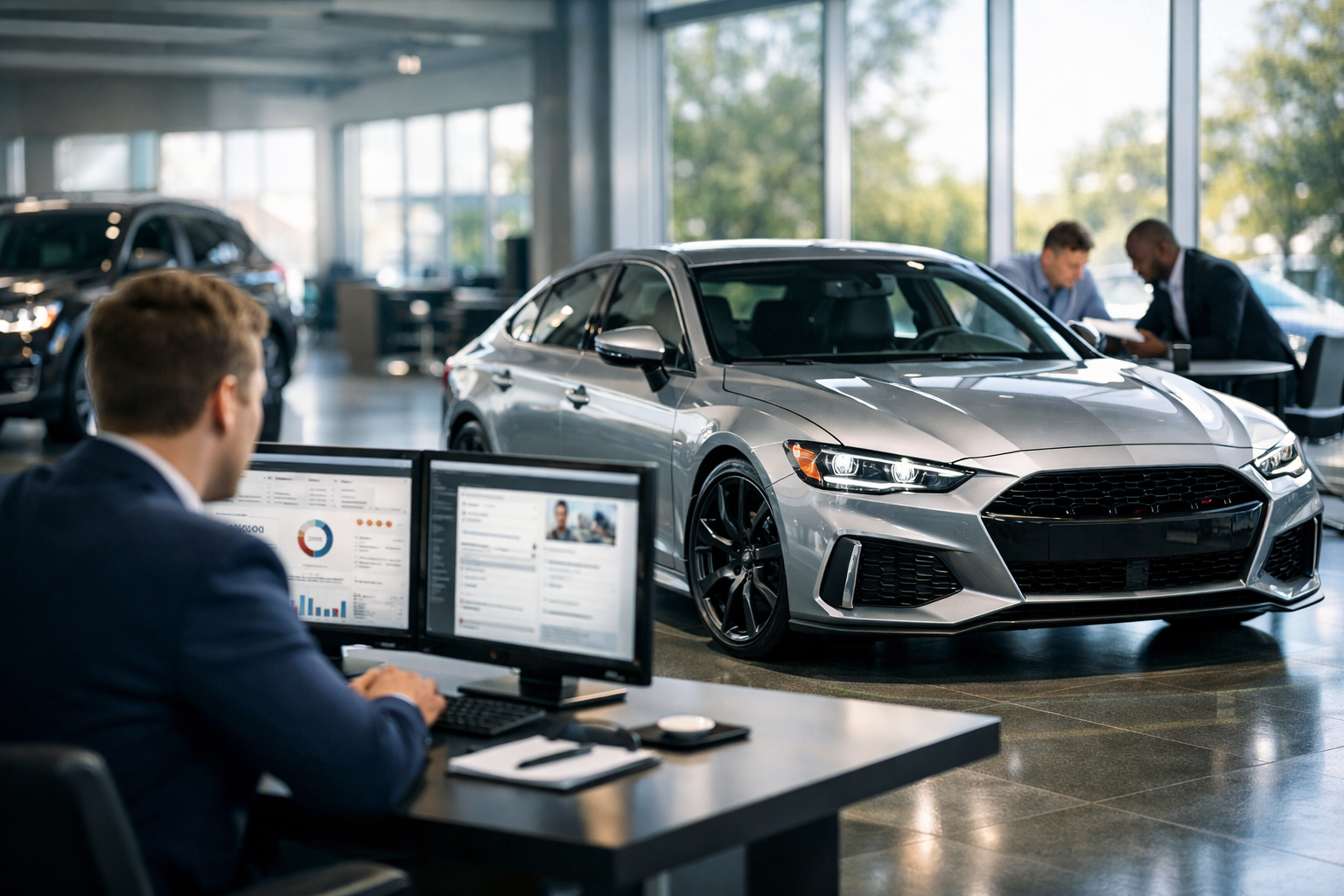

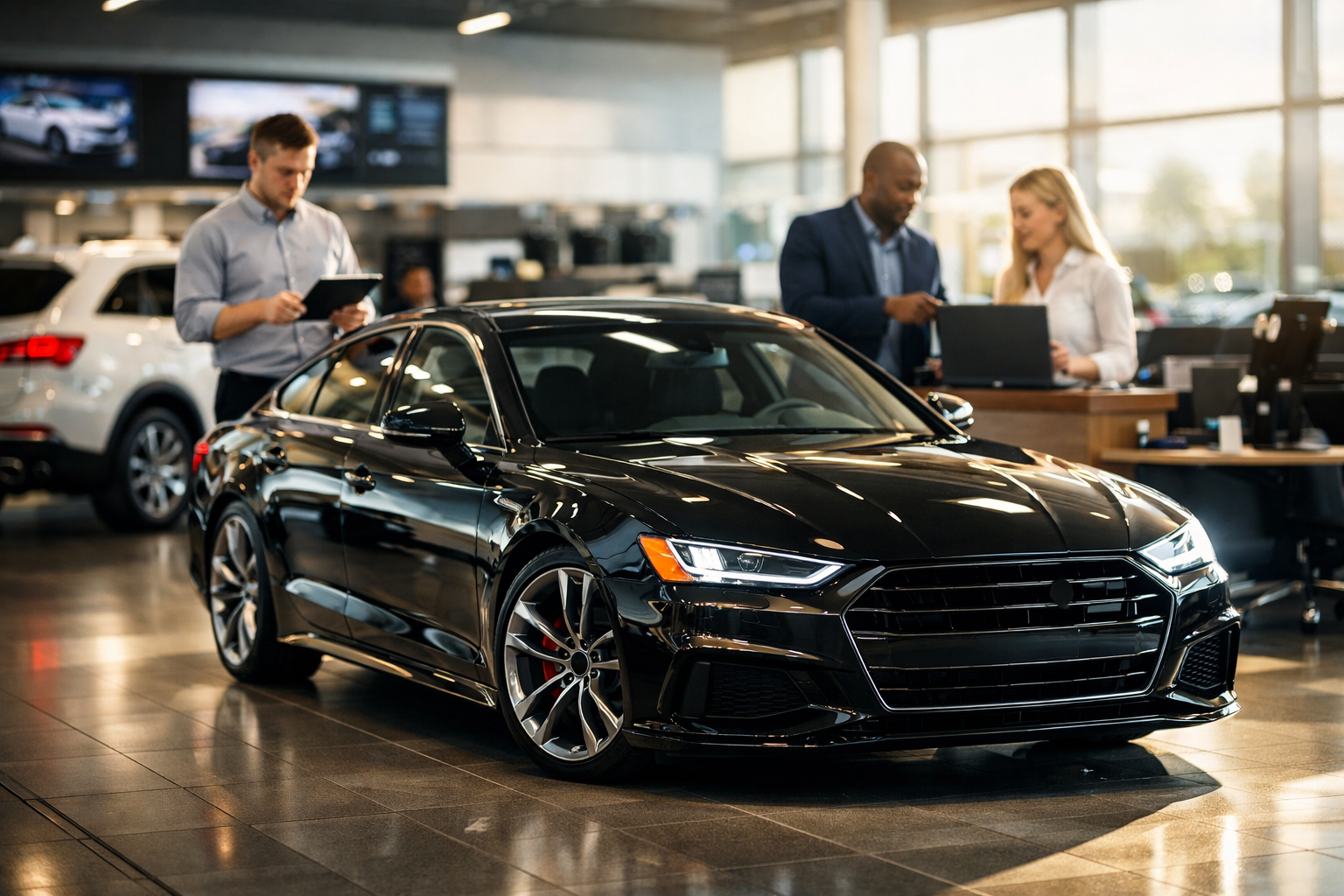
Car dealers aren’t suddenly becoming tech bros because it’s trendy; they’re doing it because the old way of selling cars is deader than a carburetor at a Tesla meetup. Walk into a dealership in 2026, and behind the smiles and espresso machines, there’s a full-blown arms race for the best automotive CRM. Miss that shift, and your shiny showroom might as well be a Blockbuster in a Netflix world.
This matters to you right now because buying a car has quietly become a data-driven exercise, whether you like it or not. I’ve watched dealers lose a $55,000 sale because they forgot to follow up on a 2025 Bronco lead, while the store down the road closed three deals with automated texts that landed like clockwork. Automotive CRM software is now as critical as inventory, financing, or a salesperson who actually knows the difference between torque and horsepower.
Here’s the uncomfortable truth: most dealers didn’t adopt this stuff because it’s “innovative.” They did it because margins are tighter than a Porsche GT3 suspension, EVs take longer to explain, and customers ghost harder than a bad Tinder date. Sales software has become the powertrain of the modern dealership, and everyone’s scrambling to upgrade.
Why Automotive CRM Is Suddenly Non-Negotiable
Ten years ago, a Rolodex and a good memory could sell cars; today, that approach has the efficiency of a 1970s V12 in rush-hour traffic. Modern automotive CRM platforms track every click, call, and test drive, turning chaos into something resembling order. Dealers using advanced systems report lead response times under 10 minutes, compared to over an hour for old-school stores.
Hot take: dealers who still rely on spreadsheets deserve to lose customers. When competitors like Toyota, Honda, and Ford expect digital retailing experiences that feel Amazon-smooth, clunky follow-ups just won’t cut it. This isn’t about being fancy; it’s about survival.
The Real Pressure: Margins, EVs, and 2026 Buyers
New-car margins in 2025 averaged roughly 4–6%, down from the gravy-train pandemic years, and EVs often make less per unit despite higher MSRPs. Explaining a 300-mile range, home charging, and tax credits takes time, and time is money. Automotive CRM tools automate the boring bits so salespeople can focus on actually selling.
Buyers now cross-shop like maniacs, bouncing between a Tesla Model Y, Ford Mustang Mach-E, and Hyundai Ioniq 5 in one afternoon. If a dealer doesn’t remember your preferences, trim choices, or budget, you’ll defect faster than a YouTube comment section turning on a creator. Data continuity is the new loyalty.
What Modern Sales Software Actually Does
Forget the buzzwords like “synergy” and “ecosystem”; good sales software does three things well. It captures leads from everywhere, follows up automatically, and tells managers which deals are stalling. Think of it as traction control for the sales floor, preventing spins before they happen.
Systems from CDK Global, Salesforce Automotive Cloud, and Reynolds and Reynolds now integrate inventory, F&I, and service history. That means when a customer who bought a $42,000 CR-V in 2023 comes back, the dealer knows exactly when to pitch a 2026 Hybrid upgrade. That’s not creepy; that’s competent.
The Service Department Is the Secret Weapon
Here’s the bit most buyers never see: service drives CRM adoption more than sales. Service retention can boost dealership profitability by up to 25%, and modern CRMs link oil changes to future trade-in opportunities. Miss that, and you’re leaving money on the table like an unused launch control button.
This mirrors what we’ve covered in how brand loyalty shapes buying choices, where data-backed follow-ups matter more than badge prestige. Dealers who know your service habits can predict your next purchase better than your own family. Slightly unsettling, wildly effective.
Why Old-School Dealers Are Fighting This
Let’s be blunt: some dealers hate automotive CRM because it exposes laziness. When every missed follow-up is logged and every stalled deal is visible, there’s nowhere to hide. Accountability is terrifying if you’ve been winging it since the Clinton administration.
I’ve seen stores spend $3 million on showroom renovations but balk at $1,500 per month for proper sales software. That’s like buying carbon-ceramic brakes and refusing to pay for tires. The priorities are hilariously backwards.
The Competitive Arms Race You Don’t See
Dealer groups now benchmark CRM performance like Nürburgring lap times. Lead-to-sale conversion rates of 12–15% are considered strong in 2026, while laggards limp along at 7%. That gap translates into millions annually, especially for high-volume brands like Chevrolet, Nissan, and Kia.
This is the same competitive thinking we discuss when analyzing industry shifts in the future of auto shows. The smartest players adapt early, the rest play catch-up.
Is This Good or Bad for Car Buyers?
Controversial opinion: this is mostly good for you. Faster responses, clearer pricing, and fewer “let me talk to my manager” disappear when data drives decisions. The bad part is relentless follow-up, but that’s the price of efficiency.
If dealers don’t modernize, they’ll lose to online-first players and manufacturer-direct sales experiments. And if you think manufacturers won’t bypass weak dealers, read how automakers adapt under pressure. History isn’t kind to those who resist change.
Pros
- Faster lead response times, often under 10 minutes
- Better customer experience through consistent follow-ups
- Improved sales and service retention rates
- Clear performance tracking for managers
Cons
- Monthly costs around $1,000–$2,500 per store
- Steep learning curve for old-school staff
- Can feel intrusive to some buyers
Dealers aren’t adopting automotive CRM because it’s sexy; they’re doing it because it works. Ignore it, and you’ll be outpaced by smarter competitors before the next model refresh even lands. The future showroom runs on data, not gut feeling.
Frequently Asked Questions
What is an automotive CRM?
An automotive CRM is sales software that tracks leads, customer interactions, service history, and follow-ups. It helps dealers close more deals with faster response times and better data.
Why are car dealers adopting automotive CRM so quickly?
Tighter margins, more complex EV sales, and digital-first buyers force dealers to be more efficient. CRM systems improve conversion rates by 3–5% on average.
Does automotive CRM make buying a car more expensive?
Not directly. CRM costs are usually absorbed as operating expenses, similar to marketing or inventory systems, typically around $1,000–$2,500 per month.
Which companies offer automotive CRM software?
Major providers include CDK Global, Reynolds and Reynolds, and Salesforce Automotive Cloud. Features and pricing vary, so dealers should compare carefully.