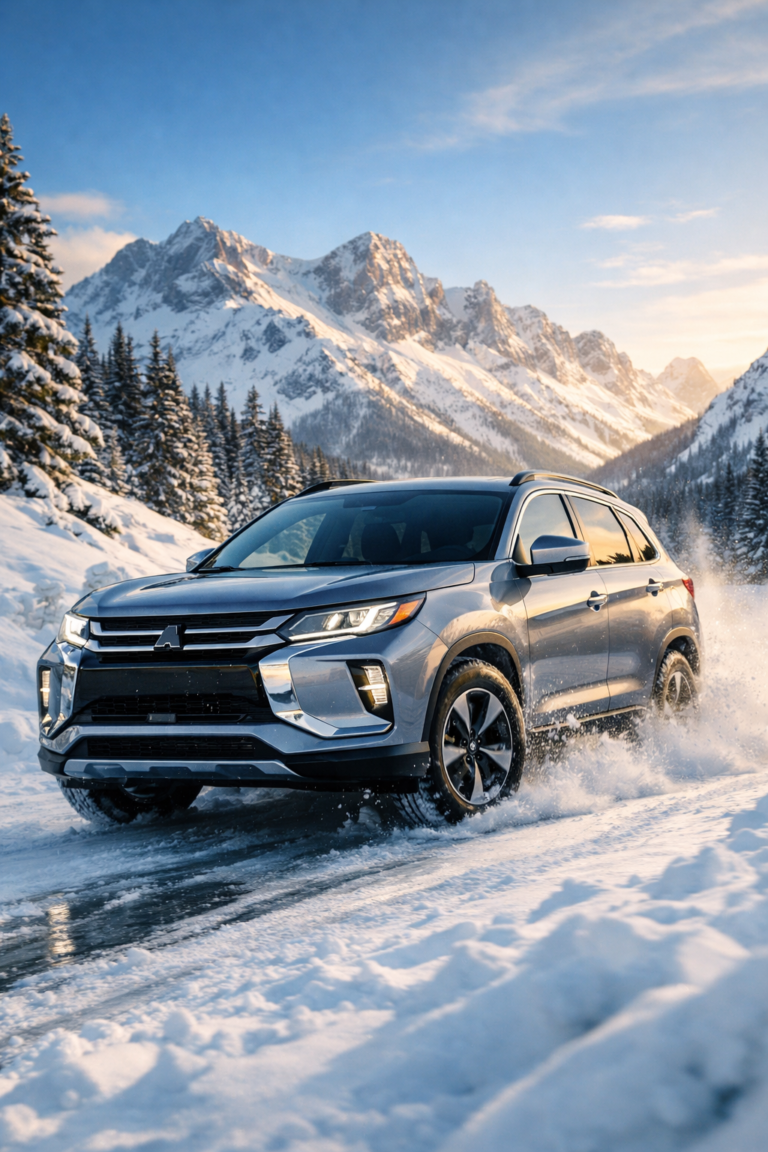

The cold doesn’t care about your lease payment, your heated seats, or the fact your crossover has “Adventure” stitched into the headrests. I’ve seen $80,000 SUVs humbled by a $90 dead battery, and that’s why winter driving tips aren’t optional fluff—they’re survival gear. If February has already turned your driveway into a luge run, this matters right now.
I’ve driven dozens of cars in deep cold, from a Subaru Outback slogging through Vermont slush to a Ford F-150 ice-fishing in Minnesota, and the pattern is always the same. People trust AWD marketing more than physics, ignore maintenance basics, then act shocked when a Toyota RAV4 on all-seasons skates like Bambi. Winter exposes lazy prep faster than a Nürburgring lap exposes fake sport packages.
Consider this your pub-side briefing before the weather embarrasses you. I’ll cut through corporate buzzwords, borrow a page from Chris Harris’s mechanical sympathy, and sprinkle in a few Doug DeMuro-style quirks that actually matter when it’s minus 10°F.
Why Winter Is the Ultimate Stress Test
Cold weather is brutal on cars because chemistry and mechanics both hate it. Engine oil thickens, batteries lose up to 35% of their cranking power at 32°F, and tires drop roughly 1 psi for every 10°F temperature fall. That’s before snow turns your commute into a low-grip physics exam.
This is where honest winter driving tips save money and bodywork. The same prep that keeps a Honda CR-V reliable also keeps a BMW X5 from feeling like an expensive paperweight. Winter doesn’t discriminate between luxury and budget—only preparation.
Tires: The Only Thing That Actually Matters
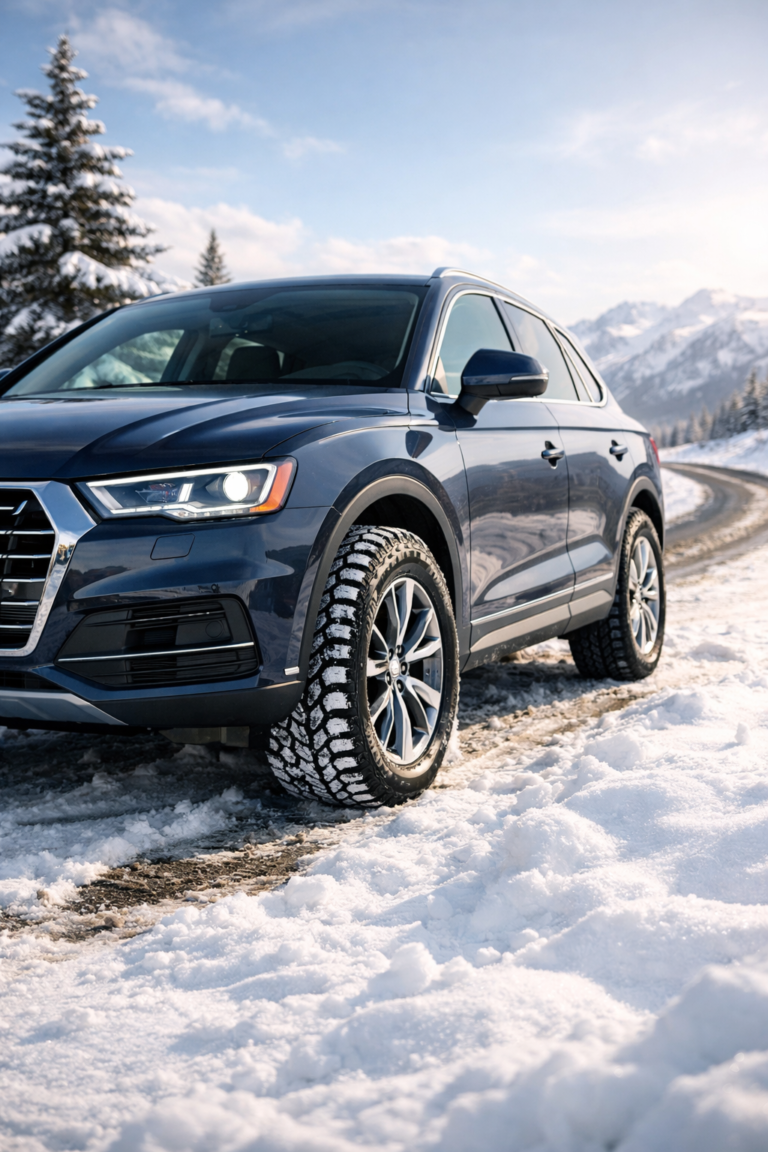
Hot take time: AWD without winter tires is a confidence scam. A front-wheel-drive Mazda3 on proper winter rubber will out-stop and out-turn an AWD Audi Q5 on all-seasons every single time.
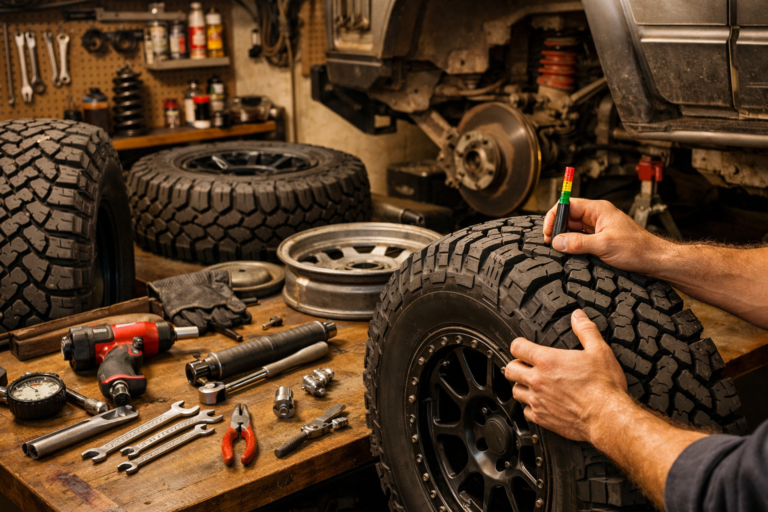
Dedicated winter tires use softer compounds that stay flexible below 45°F and aggressive siping to bite snow. Expect to spend approximately $700–$1,200 for a set, depending on size—money far better spent than another driver-assist package. For tire data nerds, FuelEconomy.gov even shows MPG penalties from underinflated tires.
Battery and Fluids: Cold Is a Silent Killer
If your battery is over four years old, winter is when it files for retirement without notice. Cold cranking amps matter more than brand loyalty, so test it before the first hard freeze.
Switch to winter-grade washer fluid rated to -20°F, check coolant concentration, and consider thinner oil if your manufacturer allows it—details listed on official sites like Toyota’s website. This is boring prep, but boring prep beats waiting for a tow truck at 6 a.m.
Visibility: See and Be Seen
Modern LED headlights are bright but easily iced over, especially on newer designs that don’t generate heat. Clean them, carry a small scraper, and replace wiper blades yearly—$30 that saves you from peering through a smeared windshield like a WWII tank commander.
Check defrosters and mirrors now, not during the first storm. The NHTSA consistently links poor visibility to winter crashes, and their data at NHTSA.gov is sobering reading.
Driving Tech: Helpful, Not Magical
Stability control, ABS, and traction systems are brilliant, but they’re not cheat codes. I’ve tested everything from a Jeep Grand Cherokee to a Volvo XC90, and they all obey physics once grip is gone.
If you want a deeper dive, our piece on winter driving AWD tips explains why throttle restraint matters more than badge engineering. Gentle inputs keep systems working instead of panicking.
Emergency Kit: Cheap Insurance
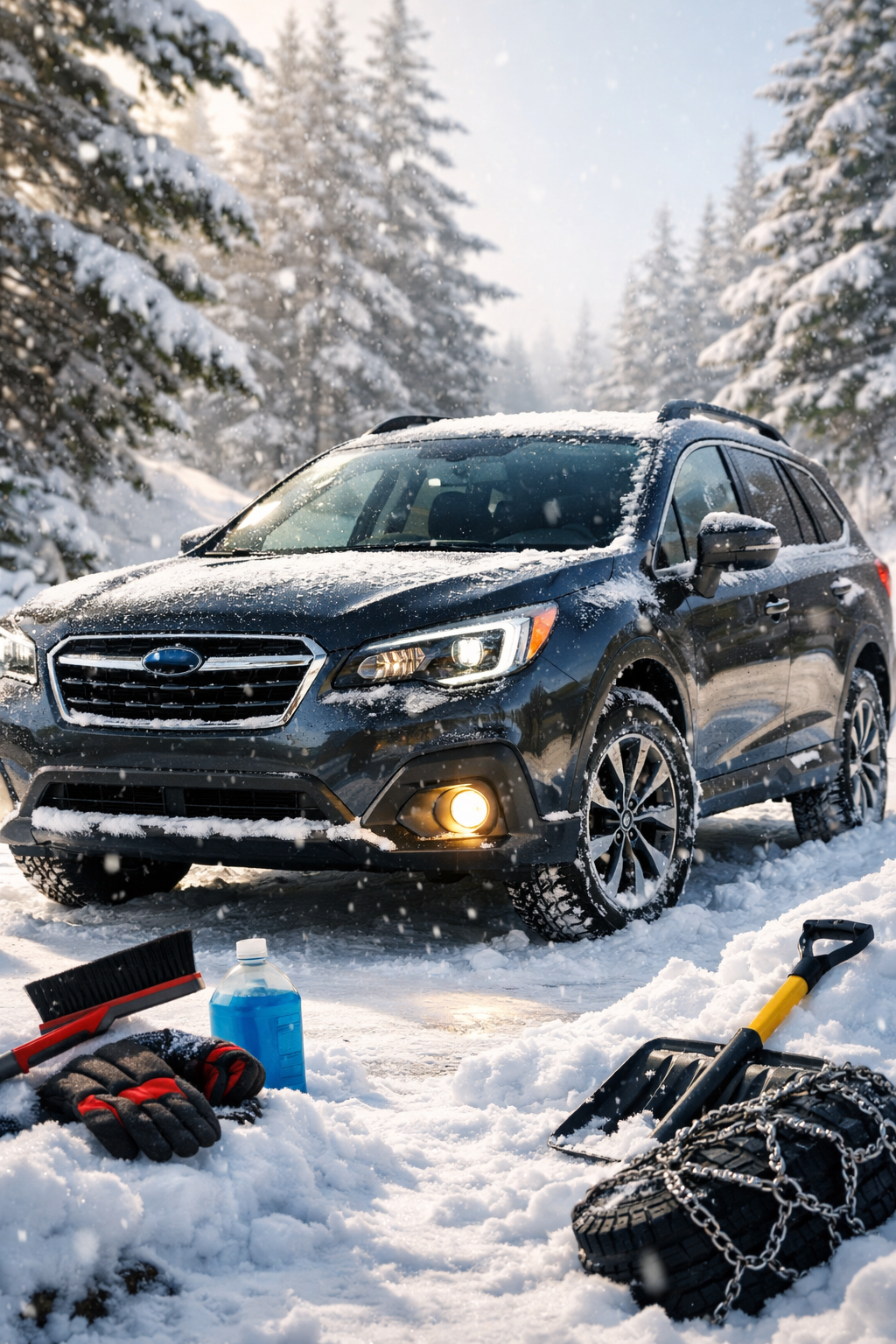
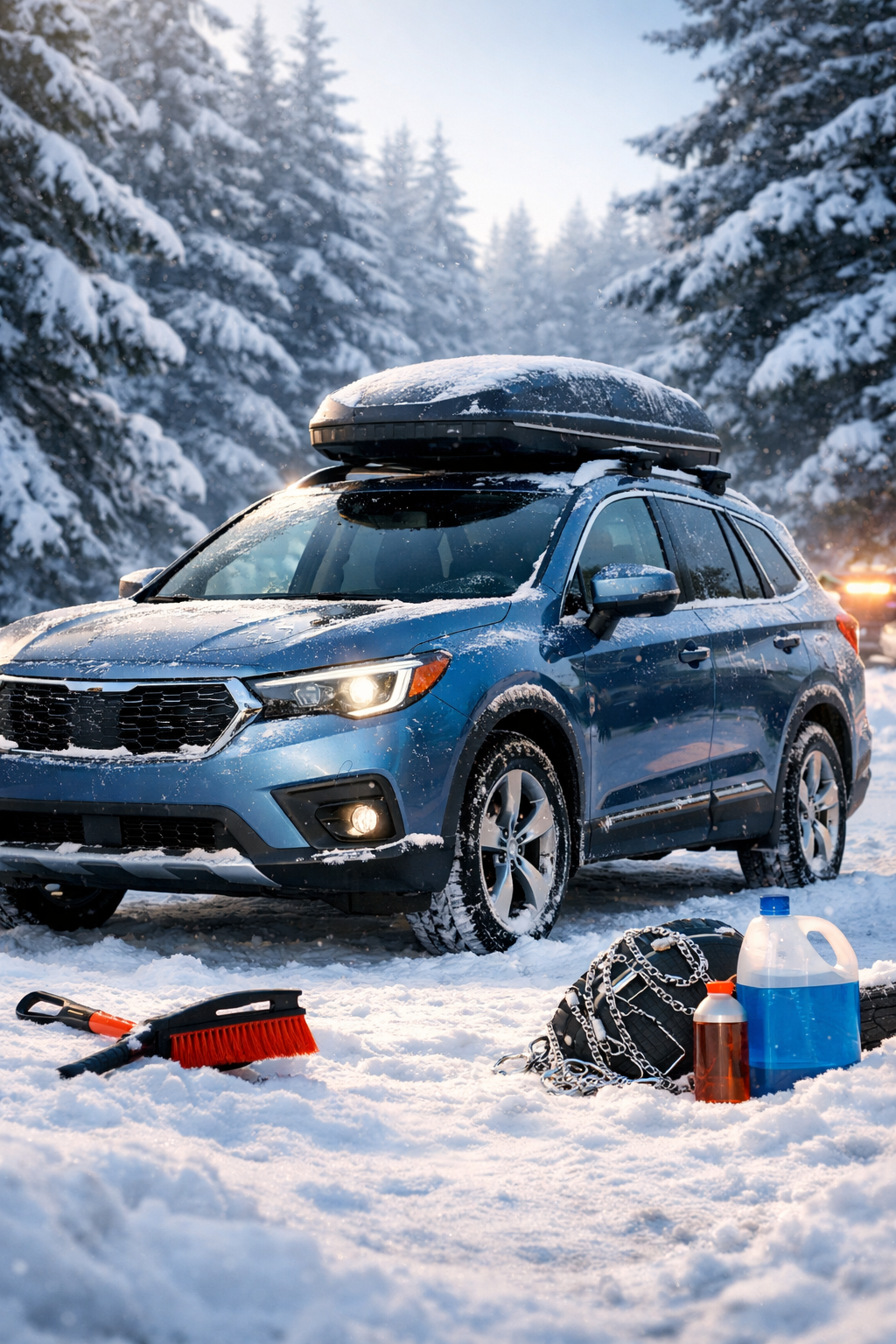
A proper winter kit costs under $150 and can save hours of misery. Think jumper cables, a small shovel, gloves, thermal blanket, flashlight, and traction aids.
I’d also add phone chargers and windshield washer fluid—because the one thing colder than your hands is your battery percentage. This advice applies whether you’re in a Chevy Silverado, Hyundai Tucson, or a base-model Nissan Rogue.
Cold Starts and Warm-Ups: Stop Abusing Your Engine
Another unpopular truth: idling for 15 minutes is pointless. Modern engines need about 30–60 seconds, then gentle driving until oil temps rise.
Hammering the throttle on a stone-cold engine is like sprinting straight out of bed. Smooth inputs extend engine life, improve MPG, and make winter driving feel less like mechanical cruelty.
Planning Ahead Beats Horsepower
The best winter driving tips start before you turn the key. Check weather apps, allow extra time, and know when staying home beats bravery.
If you’re heading long-distance, our guide to winter road trip prep goes deeper on route planning and cold-weather logistics. Being early is cooler than being stuck.
Pros
- Reduces breakdown risk dramatically
- Improves safety regardless of vehicle type
- Saves money on repairs and insurance claims
- Works for gas, hybrid, and EVs
Cons
- Requires upfront spending on tires and maintenance
- Takes time people pretend they don’t have
- Forces you to ignore marketing myths
Winter doesn’t reward bravado; it rewards preparation. Follow these winter driving tips, and your car—whether it’s a Subaru Forester, Kia Telluride, or aging VW Golf—will feel calmer, safer, and less likely to ruin your week. The snow will still fall, but you’ll be ready, pint in hand, laughing at everyone else.
Frequently Asked Questions
Are winter driving tips really necessary with AWD?
Yes. AWD helps you go, not stop. Winter tires and proper prep matter more than drivetrain layout.
What temperature requires winter tires?
Below 45°F, winter tires outperform all-seasons due to softer rubber compounds and better grip.
How often should I check tire pressure in winter?
At least once a month. Pressure drops about 1 psi per 10°F temperature decrease.
Do electric cars need different winter prep?
They lose range—often 20–30% in extreme cold—and benefit from preconditioning while plugged in.