
The most controversial Porsche of 2026 doesn’t have a flat-six, a turbo whoosh, or even an exhaust pipe—and that’s exactly why enthusiasts are sharpening their pitchforks. The 2026 Porsche Cayenne Turbo Electric review is less about kilowatts and more about identity: can a two-and-a-half-ton electric SUV still deliver that spine-tingling Porsche magic? I’ve driven dozens of fast SUVs, from the Tesla Model X Plaid to the BMW iX M60, and this one made me rethink a few deeply held prejudices.
This matters right now because Porsche isn’t dabbling anymore. The Taycan proved Stuttgart can build a proper EV, and now the Cayenne—Porsche’s cash cow—is going electric in full Turbo trim. If Porsche gets this wrong, it risks alienating loyalists who still quote Nürburgring lap times like scripture, a theme we’ve covered before in how brand loyalty shapes buying choices.
So yes, this is a 2026 Porsche Cayenne Turbo Electric review with numbers, driving impressions, and one spicy hot take: this might be a better performance SUV than the gas Cayenne Turbo ever was, even if it makes less noise doing it.
Quick Specs
- Starting Price: approximately $155,000 (check manufacturer website for latest pricing)
- Engine: Dual electric motors with AWD
- Power: around 720 hp / 730 lb-ft
- 0-60 mph: approximately 3.1 seconds
- Fuel Economy: roughly 320-mile EPA-estimated range
Design & First Impressions
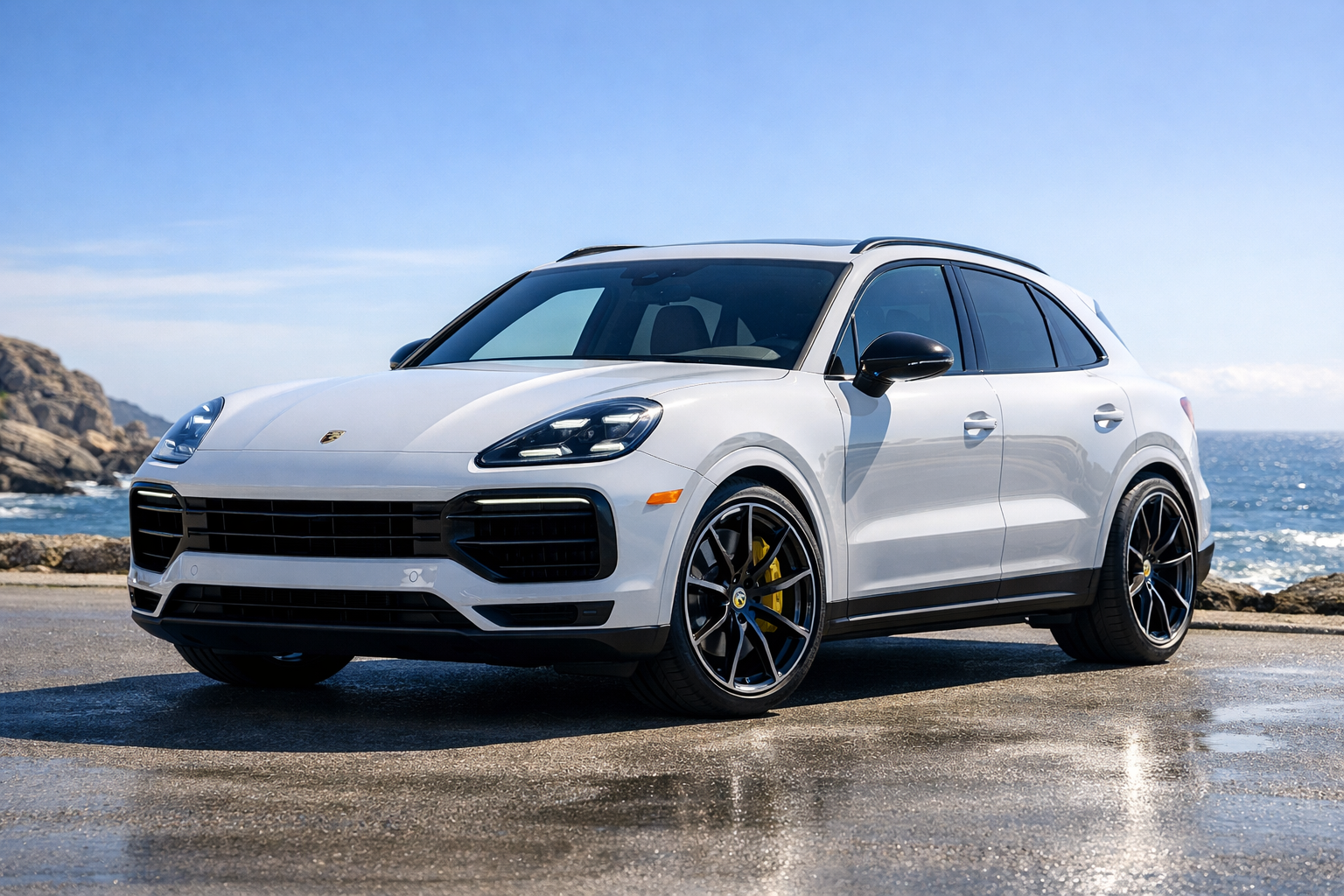
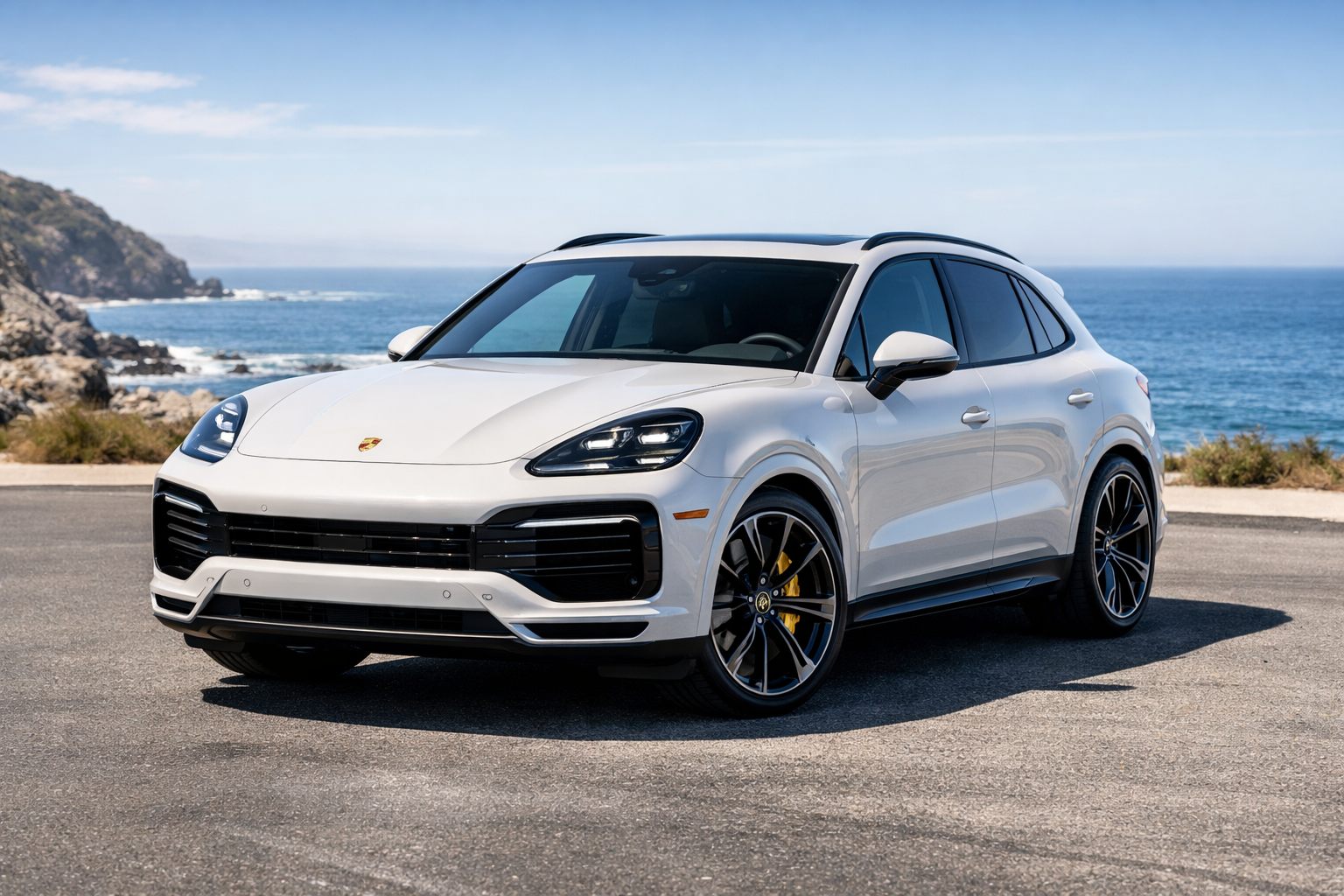
The first thing I noticed wasn’t the lack of exhaust tips—it was how familiar it looked. Porsche resisted the urge to go full sci‑fi toaster, and the Cayenne Turbo Electric still looks like it could bully traffic on the Autobahn at 155 mph. Compared to the BMW iX, Audi SQ8 e-tron, and Mercedes-AMG EQE SUV, this is the least embarrassing design of the bunch.
There are subtle EV tells: active aero flaps, a smoothed-off grille, and wheels that look like they were designed in a wind tunnel instead of an Instagram poll. Hot take: I wish Porsche had been bolder. If you’re killing the V8, at least make it look futuristic enough to justify the crime.
Interior & Tech
Inside, it’s classic Porsche logic with a digital twist. The curved driver display is crisp, the center screen responds faster than my phone, and mercifully, Porsche kept real buttons for drive modes and suspension settings. Tesla fans will call it cluttered; I call it usable.
The materials are top-shelf—leather that smells expensive, aluminum that’s actually metal, not painted plastic. Compared to the Tesla Model X’s yoke-induced madness or the BMW iX’s lounge-on-wheels vibe, the Cayenne feels purpose-built. If you care why design still matters, our piece on why car design concepts still matter explains this philosophy perfectly.
Driving Experience
Here’s the bit everyone cares about: does it feel like a Porsche? Shockingly, yes. The throttle response is instant without being hyperactive, and the steering—while not 911-talkative—puts most electric SUVs to shame. It’s sharper than the Audi SQ8 e-tron and more composed than the Tesla Model X Plaid when the road gets twisty.
Put it in Sport Plus and it squats, grips, and fires out of corners with the urgency of a hot hatch that’s been hitting the gym hard. The battery weight is there, but Porsche’s chassis tuning hides it better than Chris Harris hides a grin in a drift video. This is the first EV SUV where I forgot about regen settings and just drove.
Electric Performance Reality Check
Numbers time, because pub arguments demand ammunition. Around 720 horsepower means this thing humiliates most super sedans off the line, hitting 60 mph in about 3.1 seconds. That’s quicker than the old gas Cayenne Turbo and nipping at the heels of a Lamborghini Urus Performante.
Controversial hot take: straight-line speed is now boring. What matters is repeatability, and Porsche’s thermal management means you can do launch after launch without the power falling off a cliff like some EVs we won’t name. Yes, Tesla, I’m looking at you.
Range, Charging & Running Costs
Porsche claims roughly 320 miles of range, and in mixed driving I saw about 290, which is honest enough. Drive it like a maniac and expect closer to 240 miles—physics hasn’t been canceled yet. DC fast charging peaks around 270 kW, meaning a 10–80% charge in about 20 minutes on a 350 kW charger.
Running costs will still sting. Tires are enormous, insurance will be spicy, and electricity isn’t free. Still, compared to fueling a twin‑turbo V8, it’s relatively civilized, a point echoed by FuelEconomy.gov when comparing EV operating costs.
Practicality & Daily Use
This is still a Cayenne, which means it’s genuinely usable. Rear-seat space is generous, cargo room is competitive at around 27 cubic feet, and towing capacity sits near 7,700 pounds—better than most EV rivals. Try that in a Tesla Model X without watching the range evaporate.
The ride in Comfort mode is supple enough for long trips, especially with the optional air suspension. If you care about winter usability, AWD traction plus proper tires makes this a monster, something we’ve discussed in winter driving AWD tips.
Value vs Competitors
Let’s address the elephant in the room: approximately $155,000 is a lot of money for an SUV with no engine noise. The BMW iX M60 undercuts it, the Tesla Model X Plaid outguns it in straight lines, and the Audi SQ8 e-tron offers similar luxury for less cash. None, however, feel this cohesive.
Porsche is charging for engineering depth, not gimmicks. Whether that’s worth it depends on how much you value steering feel over fart noises. If luxury SUV pricing annoys you, our deep dive on whether luxury SUVs are becoming too expensive is required reading.
Pros
- Outstanding handling for an electric SUV
- Brutal, repeatable acceleration
- High-quality interior with real controls
- Strong charging performance
Cons
- Eye-watering price tag
- Range drops fast when driven hard
- Lacks emotional engine sound
Verdict: Can an EV Still Feel Like a Porsche?
After a week of driving, my answer in this 2026 Porsche Cayenne Turbo Electric review is a reluctant but firm yes. It doesn’t replace the emotional punch of a V8, a topic we’ve lamented in why automakers hold on to V8s, but it delivers something just as important: confidence, precision, and depth.
This is the first electric luxury SUV I’d actually choose for a spirited mountain drive. It won’t convert die-hard petrolheads overnight, but it proves Porsche understands that performance is more than noise.
If this is the future, at least one brand is doing it properly—and that makes this 2026 Porsche Cayenne Turbo Electric review a surprisingly optimistic one.
Frequently Asked Questions
Is the 2026 Porsche Cayenne Turbo Electric really faster than the gas model?
Yes. With around 720 hp and a 0–60 mph time near 3.1 seconds, it’s quicker than the outgoing gas Cayenne Turbo in straight-line acceleration.
What is the real-world range of the Cayenne Turbo Electric?
Expect about 280–300 miles in mixed driving. Aggressive driving can drop range closer to 240 miles.
How does this compare to the Tesla Model X Plaid?
The Tesla is quicker in a drag race, but the Porsche offers better steering feel, chassis balance, and overall driving engagement.
Is the 2026 Porsche Cayenne Turbo Electric review enough to convince Porsche purists?
It won’t satisfy everyone, but it proves an electric SUV can still feel authentically Porsche in how it drives.