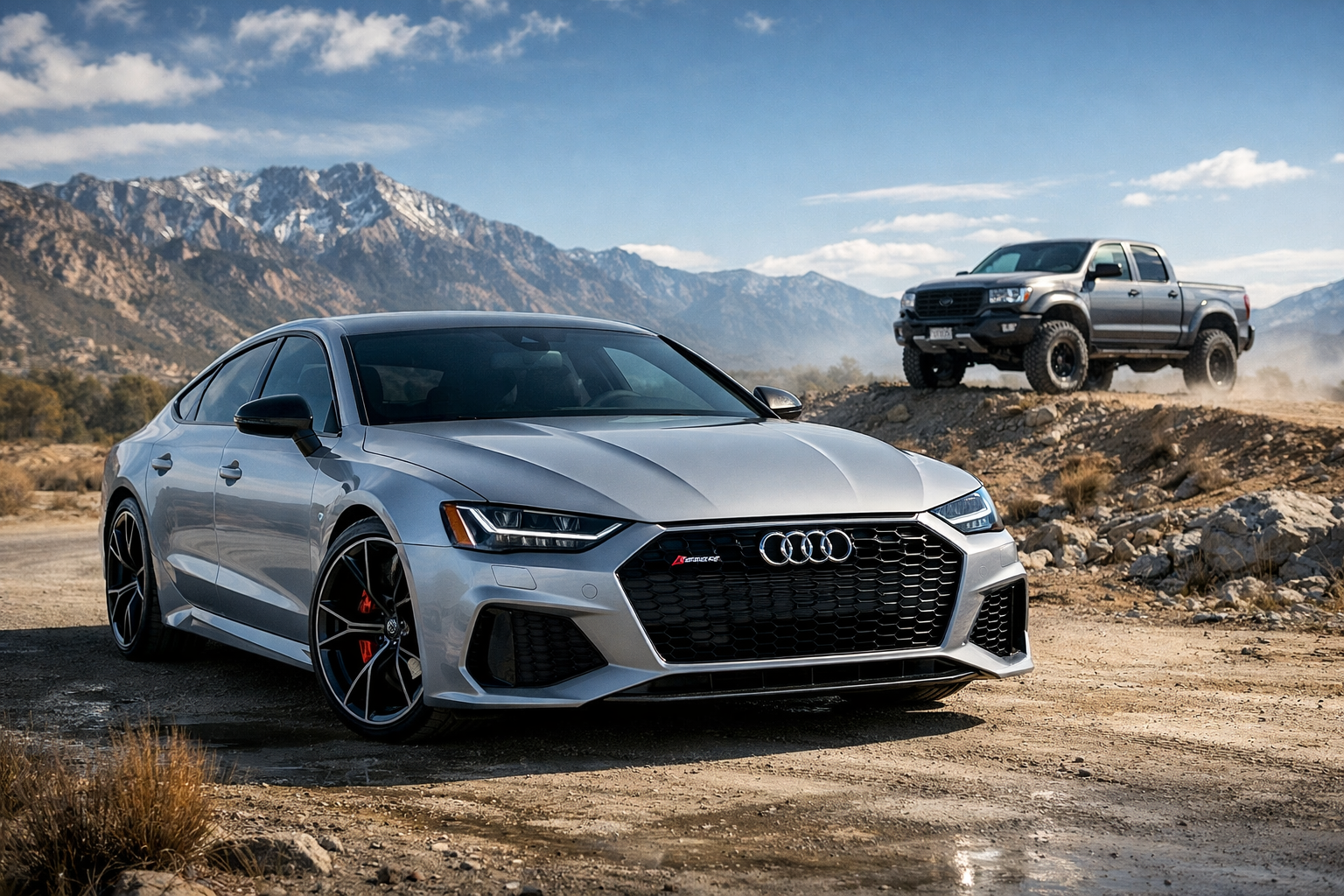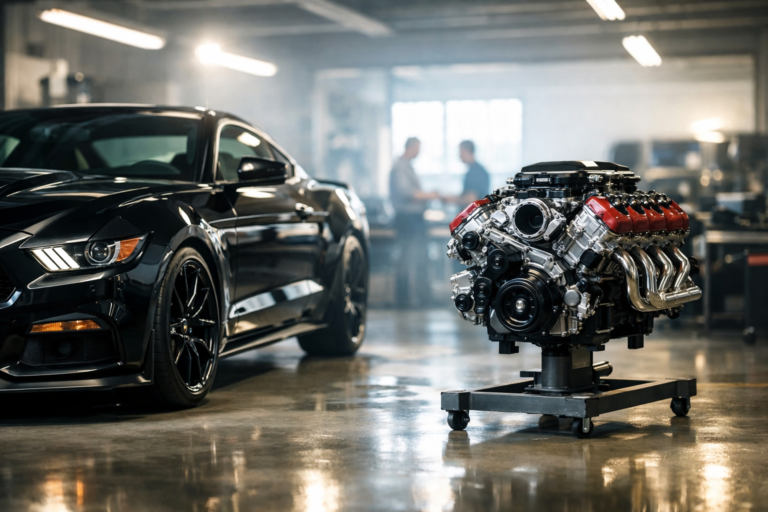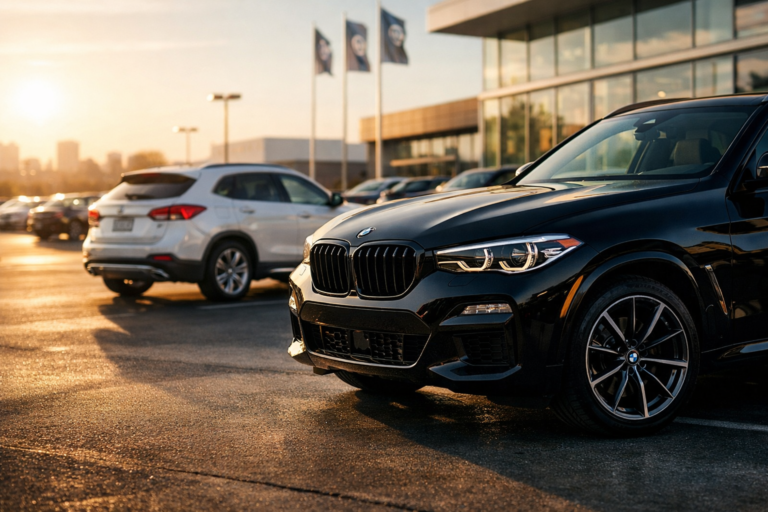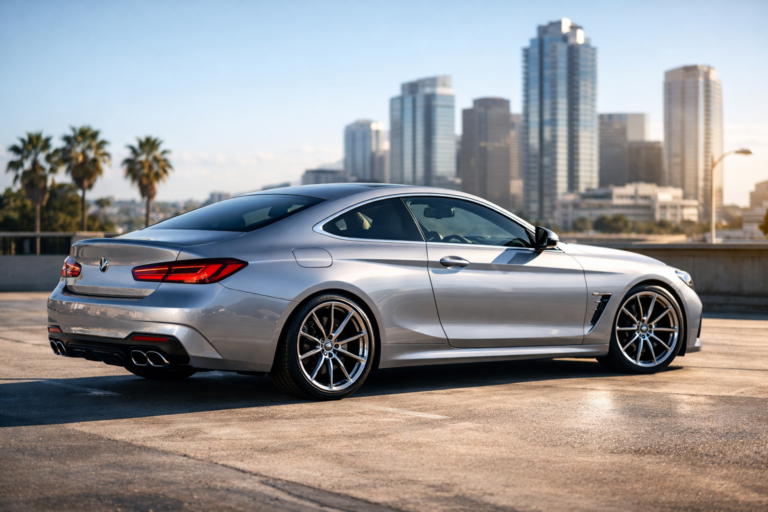

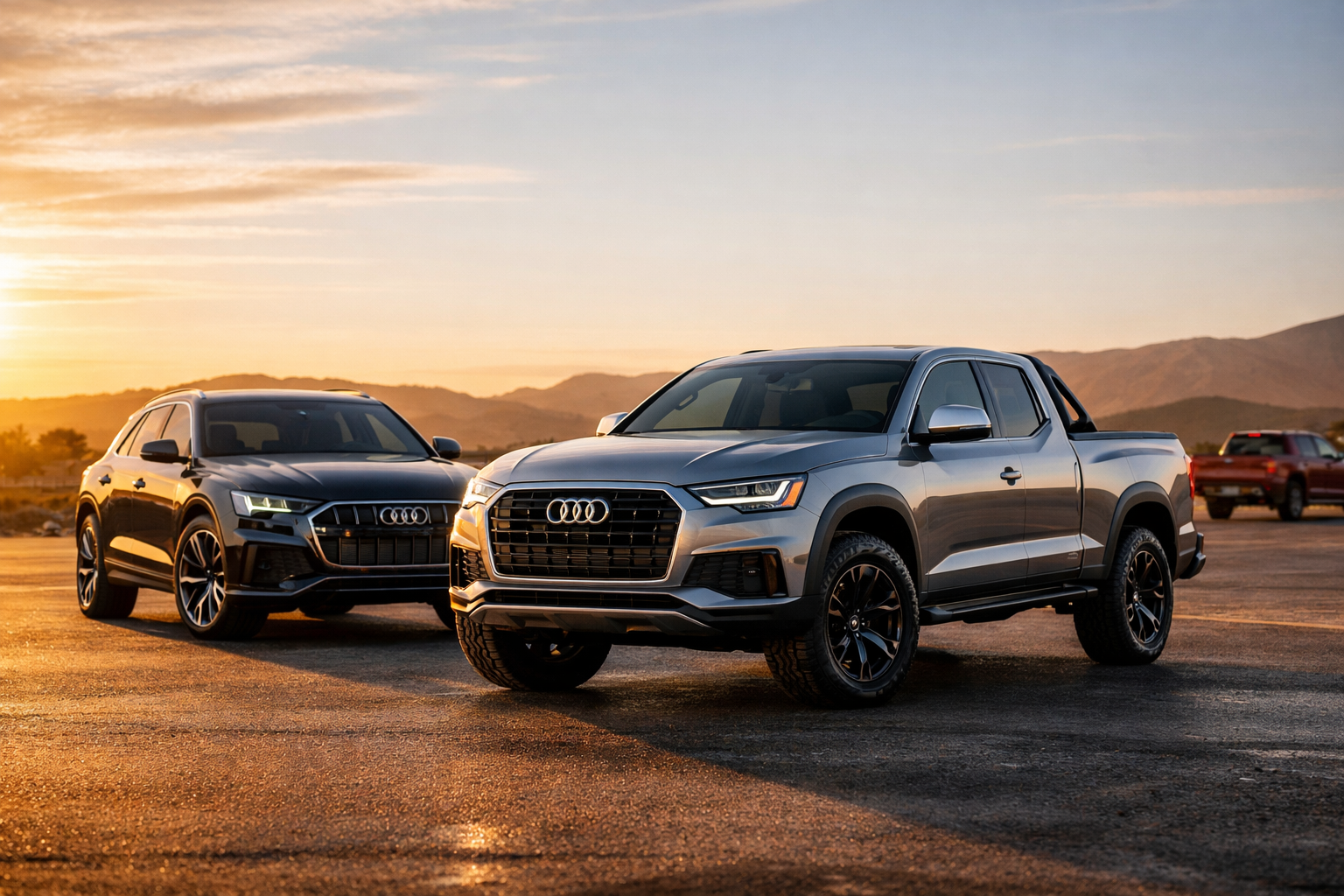
Audi could sell an Audi truck tomorrow and dealers would slap $15,000 markups on it faster than a YouTuber says “smash that like button.” So why hasn’t Ingolstadt done it, when even Hyundai and Honda have waded into pickup waters? Because sometimes the bravest product decision is refusing to chase a shiny, profitable trend.
This matters right now because luxury pickups are booming, with Ford F-150 Limiteds cresting $85,000, the Rivian R1T starting around $69,900, and GMC happily charging Escalade money for a Sierra Denali Ultimate. Audi fans keep asking me at cars-and-coffee: “When’s the Audi truck coming?” The uncomfortable answer is: probably never, and that’s not corporate cowardice.
Audi strategy has always been about controlled ambition, not barroom brawls, and the Audi truck question exposes that perfectly. I’ve driven dozens of SUVs, performance sedans, and EVs from the four rings, and none of them feel like they want to tow a horse trailer while wearing loafers. Audi knows this, even if Reddit refuses to accept it.
The Market Is Hot, But It’s Also Brutal
Luxury pickups look like free money until you peek behind the curtain. The Ford F-150 Limited makes 400 hp from a 3.5L EcoBoost and does 0–60 mph in about 5.4 seconds, but Ford sells millions of trucks to amortize that platform. Audi would be starting from zero, going toe-to-toe with Ford, RAM, GMC, and Rivian—brands that live and breathe trucks.
Here’s the controversial hot take: most luxury pickup buyers don’t actually care about “luxury,” they care about image. That’s why a $90,000 truck still has hard plastics near your knees and rides like a trampoline when unloaded. Audi’s brand equity depends on precision, not cosplay ranch culture.
An Audi Truck Would Be the Wrong Kind of Compromise
To build an Audi truck, the company would need either a body-on-frame platform or a unibody so reinforced it would make an RS6 feel like a soda can. Either route means weight north of 5,500 pounds, MPG in the low 20s at best, and handling that would make Chris Harris politely change the subject. Audi engineers hate physics-defying promises more than they hate cheap interior trim.
Yes, they could borrow from VW Group—maybe something Atlas-based, maybe electric—but then it becomes a badge-engineering exercise. Audi has spent years trying to escape that perception, as I discussed in our deep dive on Audi’s one-grille identity problem. Slapping quattro stickers on a pickup wouldn’t fix it.
Brand DNA Matters More Than Market Share
Audi’s modern hits—the RS6 Avant, Q8 e-tron, and S3—share one thing: they feel engineered, not focus-grouped. A pickup demands a different mindset: durability theater, spec-sheet chest-thumping, and endless trim walks. That’s Ford’s game, RAM’s game, and increasingly Toyota’s with the Tundra Hybrid.
I’ll say it plainly: an Audi truck would dilute the brand faster than another anonymous electric SUV. We’re already seeing how the luxury market is stretching itself thin, something we covered in our piece on the luxury creep that enthusiasts lose from. Audi doesn’t need another identity crisis.
Electric Pickups Don’t Automatically Solve This
Some argue Audi should jump straight to an electric Audi truck, riding the EV wave. Except electric pickups are even harder to get right, as Rivian and Ford have learned with real-world range drops while towing. A 300-mile EPA range quickly becomes 150 miles with a boat attached, according to data from FuelEconomy.gov.
Audi’s EV strength lies in refinement and efficiency, not brute-force battery packs. Building a 180 kWh monster just to keep up with Silverado EV headlines would be engineering vanity. Audi would rather make a 95 kWh pack feel like 120, not the other way around.
The Numbers Don’t Add Up Like You Think
Let’s play pub-napkin math. An Audi truck would likely start around $65,000 to $70,000, with well-optioned models pushing $85,000—check manufacturer website for latest pricing if this ever happens. At that point, buyers cross-shop a loaded F-150 Platinum, a GMC Sierra Denali, or a Rivian R1T with 835 hp.
Against that crowd, Audi’s likely advantages—interior design, tech polish, on-road handling—aren’t decisive. Trucks are bought with hearts and habits, not spec sheets. That’s why, despite all logic, pickup trucks still dominate America, as we explained in why pickups still matter.
What Audi Gains by Saying “No”
By refusing to build an Audi truck, the brand preserves focus. That means better RS models, tighter EV integration, and fewer half-baked experiments clogging showrooms. Audi buyers expect cohesion, not a Swiss Army knife lineup.
There’s also regulatory reality. Trucks get scrutinized heavily for safety and emissions, with standards tracked by NHTSA. Audi would rather spend compliance dollars perfecting existing segments than inventing a new headache.
The Internet Won’t Like This, and That’s Fine
YouTube comment sections—from TFLtruck to Doug DeMuro’s quirks-and-features empire—love the idea of an Audi truck. It’s clicky, it’s meme-able, and it feels inevitable. But inevitability is how brands end up bland.
Audi’s refusal is actually a statement: not every premium badge needs a pickup to be relevant. BMW hasn’t built one either, and Mercedes’ X-Class experiment quietly fizzled. Sometimes the smartest move is watching rivals burn cash while you polish your strengths.
Pros
- Protects Audi’s core brand identity
- Avoids costly platform development
- Focuses resources on EVs and performance models
- Prevents badge-engineering backlash
Cons
- Misses out on a profitable market segment
- Leaves loyal Audi fans wanting more
- Hands bragging rights to competitors
So yes, the Audi truck will remain a forum fantasy, and that’s okay. In a world where every brand wants to be everything, Audi’s smartest move might be staying stubbornly itself. Sometimes the most luxurious thing a car company can offer is restraint.