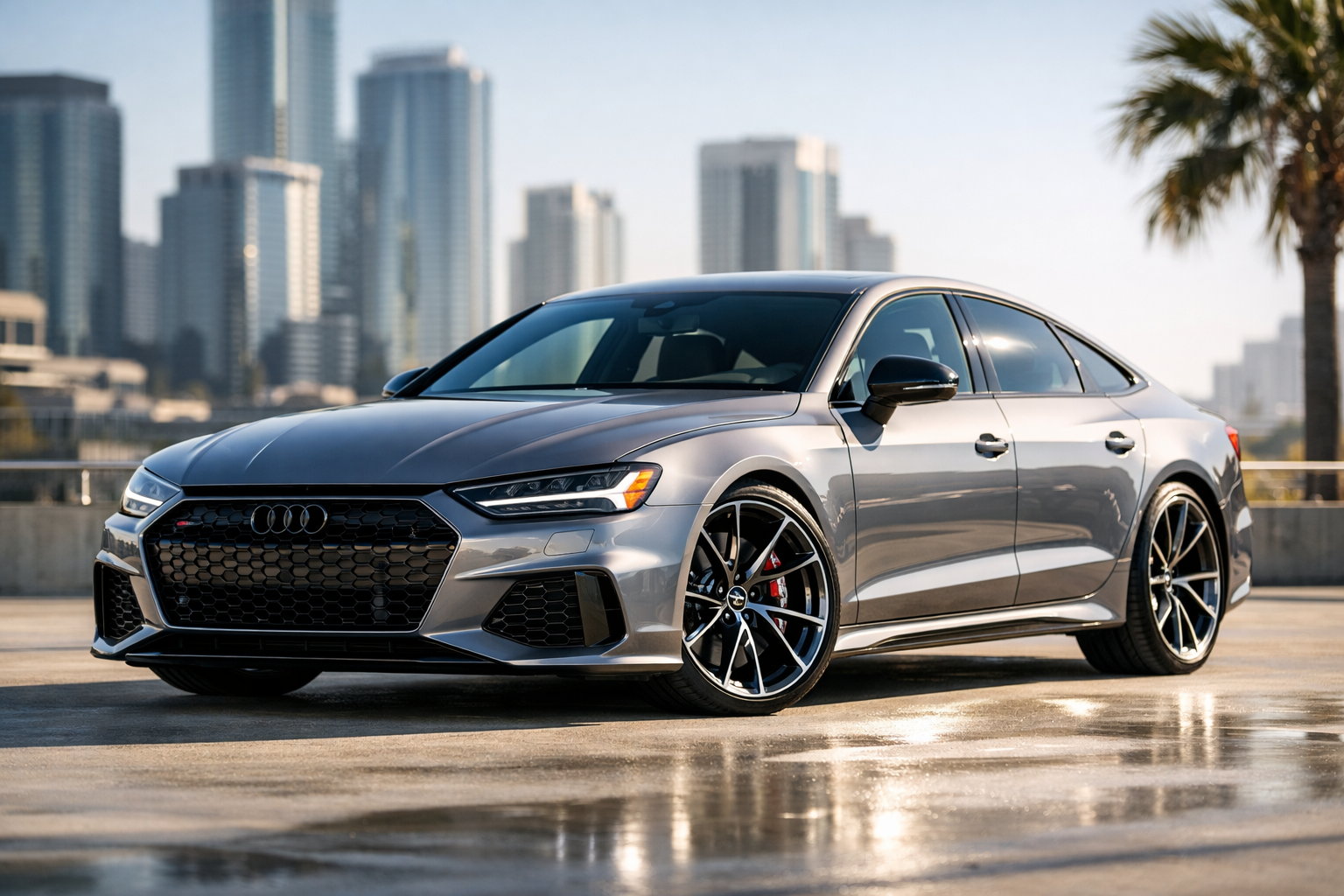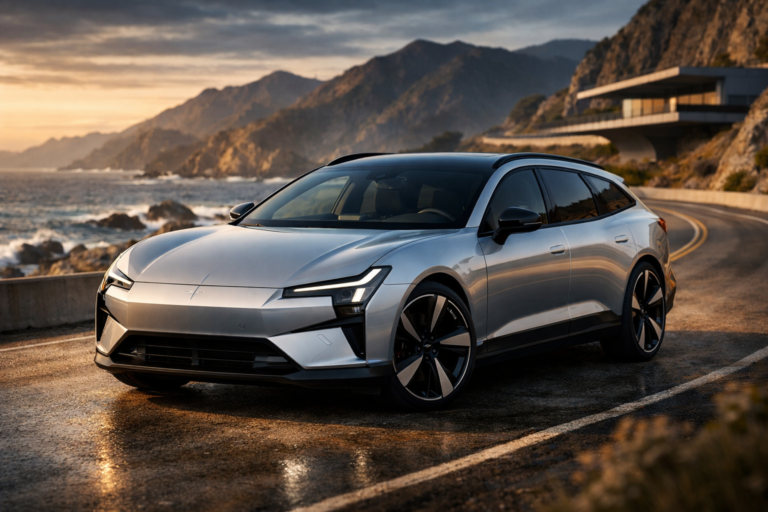

The cheapest new car in America now costs about as much as a lightly used Porsche Boxster did ten years ago, and that’s not hyperbole—it’s the car affordability crisis staring us in the face with LED DRLs and a smug touchscreen. I’ve driven dozens of “entry-level” cars lately, and half of them now have $35,000 window stickers and finance payments that would make a mortgage broker choke. This matters right now because if you’re an enthusiast without a tech-bro salary, the new-car showroom has quietly turned into a velvet-rope nightclub.
The car affordability crisis isn’t just about inflation; it’s about how automakers decided luxury margins beat enthusiast goodwill. A 2026 Honda Civic starts around $25,000, which sounds fine until you add the “must-have” safety tech, destination, and a dealer’s creative interpretation of capitalism. Suddenly you’re staring at $30,000-plus for 158 horsepower and a CVT that’s about as exciting as reheated pub chips.
Here’s the gut punch: new cars are becoming luxury items not because buyers demanded it, but because manufacturers engineered it that way. Toyota, Ford, Volkswagen—pick your poison—have all learned that selling fewer, pricier cars is easier than chasing volume with thin margins. And yes, the car affordability crisis means enthusiasts are collateral damage.
How We Got Here: The Slow Creep of the car affordability crisis
Let’s talk numbers, because feelings don’t explain a $10,000 price jump in a decade. The average new-car transaction price in the U.S. is hovering around $48,000 in 2026, according to industry estimates, which is bonkers when median household income hasn’t kept pace. Automakers will mumble about “advanced materials” and “electrification strategies,” but the truth is they’ve padded every segment with luxury fluff.
Even traditional bargain heroes have gone posh. The Toyota Corolla, Mazda3, and VW Golf now offer ventilated seats, giant infotainment screens, and driver aids calibrated by lawyers, not engineers. Great for NHTSA scores—check NHTSA.gov—but terrible if you just want a light, simple car that doesn’t cost as much as a used BMW 3 Series.
Luxury by Force, Not by Choice
Here’s my controversial hot take: most buyers didn’t ask for this level of luxury; they were nudged into it by deleted base trims and option bundling straight out of a cable TV playbook. Want blind-spot monitoring? Congrats, you also bought a panoramic roof you’ll never open. It’s lazy product planning disguised as “simplification.”
Look at the Tesla Model 3, BMW i4, and Mercedes C-Class for proof. Prices start “around” $40,000 to $45,000, but real-world builds balloon fast, and suddenly you’re in luxury ownership cost territory without the badge snobbery payoff. Check manufacturer websites for latest pricing if you enjoy mild financial panic.
What This Means for Driving Enthusiasts
If you love driving, the new-car market in 2026 feels like a pub that stopped serving beer and now only offers craft cocktails at $22 a pop. Manual transmissions are endangered, curb weights are up 300-500 pounds, and throttle response is lazier than a cat in a sunbeam. Chris Harris has ranted about this on YouTube, and he’s not wrong.
The irony is brutal: cars are faster than ever—0-60 mph in 5.8 seconds is “normal” now—but less engaging. A 2025 VW Golf GTI still makes about 241 hp and hits 60 in roughly 5.9 seconds, yet costs starting around $32,000, which used to be proper sports car money. For context, a used Cayman suddenly looks like a rational decision.
The Used Market Isn’t the Safety Valve It Used to Be
Everyone says, “Just buy used,” like it’s a magic spell. Except used prices remain inflated, depreciation curves are flatter, and CPO warranties now read like legal thrillers. The car affordability crisis has infected the entire ecosystem, not just shiny showroom floors.
This is why guides like how to lower your car payment in 2026 exist at all—because buyers are gaming the system just to survive it. Leasing used to be the cheat code; now it’s another expensive monthly subscription with mileage anxiety baked in.
Why Automakers Are Fine With This
From a corporate standpoint, this is working beautifully. Higher transaction prices mean healthier balance sheets, fewer incentives, and less reliance on fleet sales. Wall Street loves it, which is why no CEO is losing sleep over enthusiasts yelling into comment sections.
The problem is long-term brand damage. When young buyers can’t afford new cars, loyalty evaporates, and suddenly your brand equity is built on nostalgia and TikTok ads. Ask Buick how that worked out.
How Enthusiasts Can Fight Back
No, the answer isn’t yelling at salespeople—they’re just trying to pay rent. The smarter move is buying fewer options, prioritizing reliability, and keeping cars longer, which is why pieces like choosing a reliable new car without overpaying matter more than ever. Reliability is the new luxury, whether brands like it or not.
Also, stop rewarding bad behavior. If a manufacturer deletes the base model you actually want, walk away. There are still honest cars out there, but you have to hunt like it’s a rare Pokémon.
The Bigger Picture for 2030 and Beyond
If this trajectory continues, new cars will become aspirational objects rather than attainable tools. Enthusiasts will skew older, wealthier, and more nostalgic, while younger drivers bond with used metal and video games. That’s not healthy for a culture built on accessibility and mechanical curiosity.
The car affordability crisis doesn’t end with a single policy change or market correction. It ends when buyers collectively say, “No thanks, that’s not worth it,” and automakers are forced to remember why people fell in love with cars in the first place.
Pros
- Better safety tech across the board
- Higher performance even in mainstream cars
- Improved fuel efficiency—see FuelEconomy.gov
- Stronger build quality than early 2010s cars
Cons
- New car prices pushing enthusiasts out
- Overweight, overcomplicated vehicles
- Fewer affordable enthusiast options
The final word: the car affordability crisis has turned the new-car market into a luxury boutique, and enthusiasts are browsing from the sidewalk. Until prices come back to Earth, the real fun is happening in used lots, garages, and the occasional stubborn manual gearbox refusing to die.