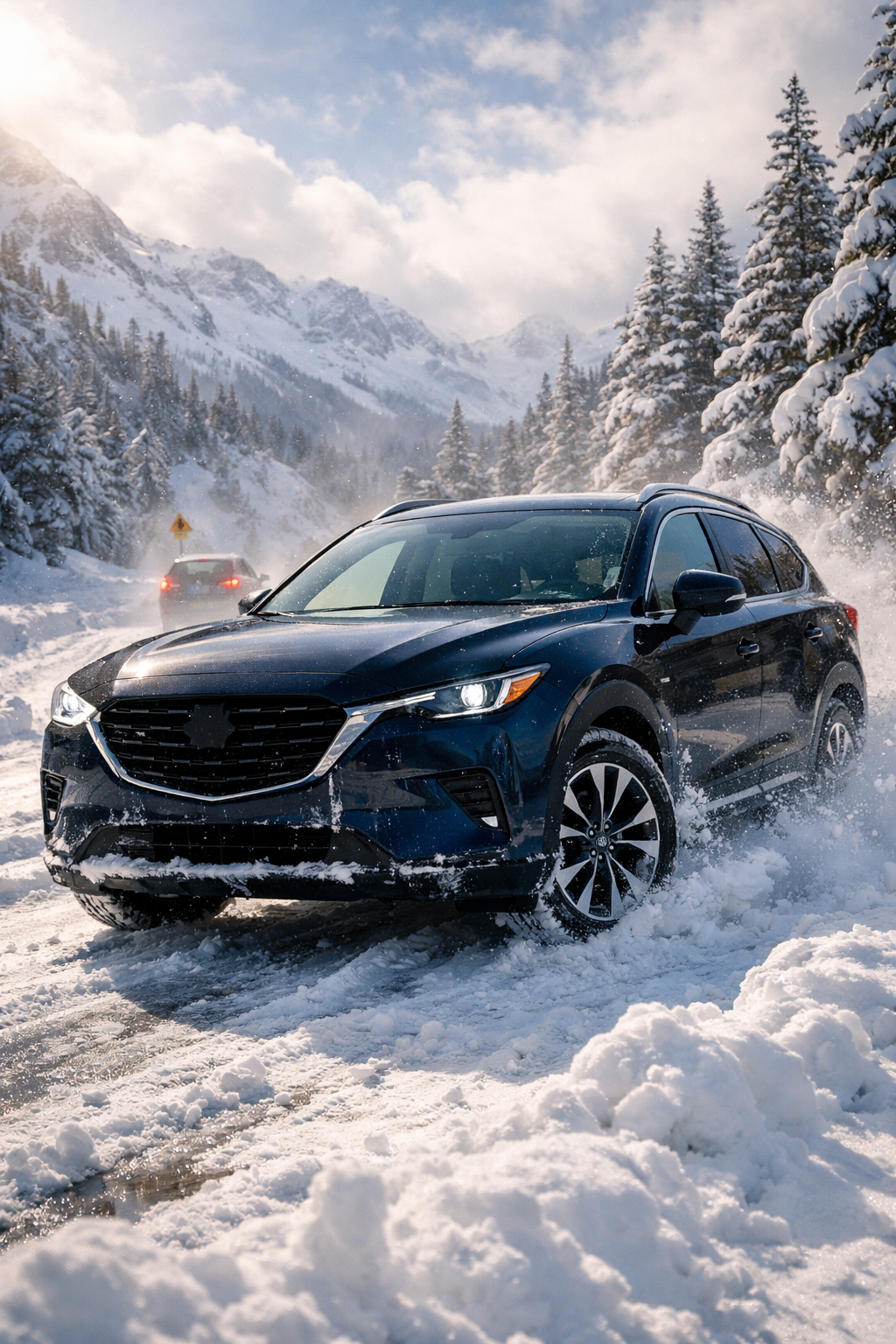

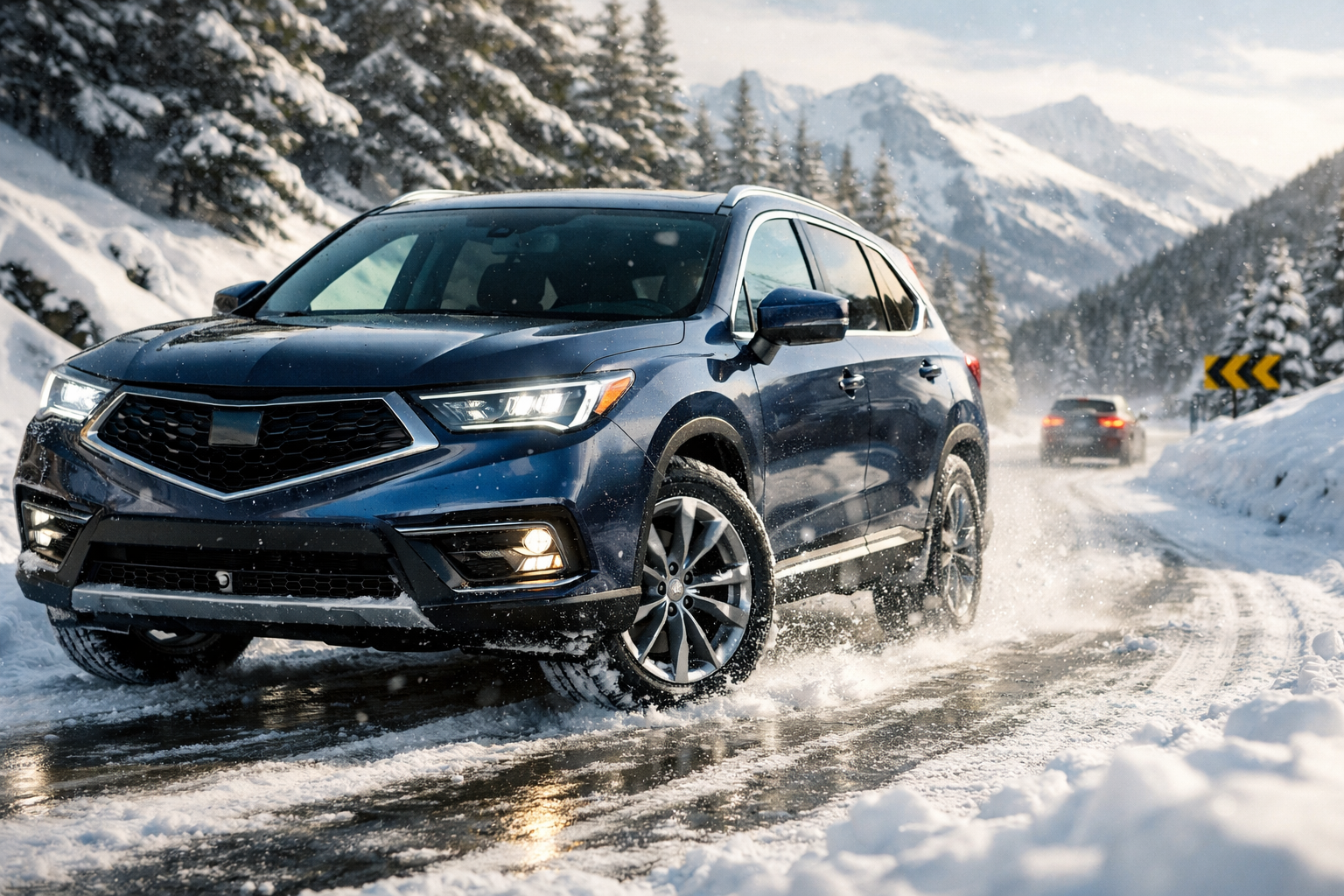
Here’s the uncomfortable truth nobody at the dealership tells you: winter driving AWD doesn’t make you invincible, it just makes you confidently wrong at higher speeds. I’ve watched brand-new Subaru Outbacks, Audi Q5s, and Toyota RAV4 Hybrids pirouette into snowbanks while their owners looked genuinely betrayed. AWD helps you go, not stop, and that distinction still catches drivers off guard every single winter.
This matters right now because modern AWD systems are smarter than ever, yet drivers are lazier than ever. Traction control has gone from blunt instrument to PhD-level algorithm, which convinces people they can ignore physics, tires, and basic common sense. If you drive a 2025 or 2026 AWD car and think snow driving tips are “for other people,” congratulations—you’re exactly who needs this.
I’ve driven dozens of SUVs, hot hatches, and crossovers in snowstorms that would make a Scandinavian rally driver raise an eyebrow. From a Golf R to a Kia Telluride, the pattern is always the same: winter driving AWD myths die hard, and they usually die wrapped around a curb. Let’s fix that before your deductible gets another workout.
Why Winter Driving AWD Still Trips People Up
The biggest misconception is thinking AWD equals grip everywhere, all the time. It doesn’t. AWD only distributes power; it doesn’t magically increase friction between tire and road, which is why a Honda CR-V AWD on all-seasons can stop like a shopping cart on ice.
Competitors like the Subaru Forester, Mazda CX-50, and Audi A4 Quattro all market their systems differently, but they’re bound by the same laws of physics. Even the clever torque-vectoring setups can’t cheat momentum. My hot take: AWD without proper tires is just an expensive placebo.
AWD Gets You Moving, Not Stopping
This is the bit that still surprises people every winter. You pull away cleanly at a snowy intersection, feel like Ken Block, and then sail straight through the next stop sign at 25 mph because braking is identical to a FWD car on the same rubber. ABS can pulse like a caffeinated woodpecker, but it can’t create grip that isn’t there.
I’ve tested this back-to-back in a 2026 Hyundai Palisade AWD and a Kia Telluride AWD—both start around $38,000, check manufacturer website for latest pricing. Same tires, same road, same stopping distances. AWD didn’t save either one from understeer, and that’s the trap.
Tires Matter More Than Your Drivetrain
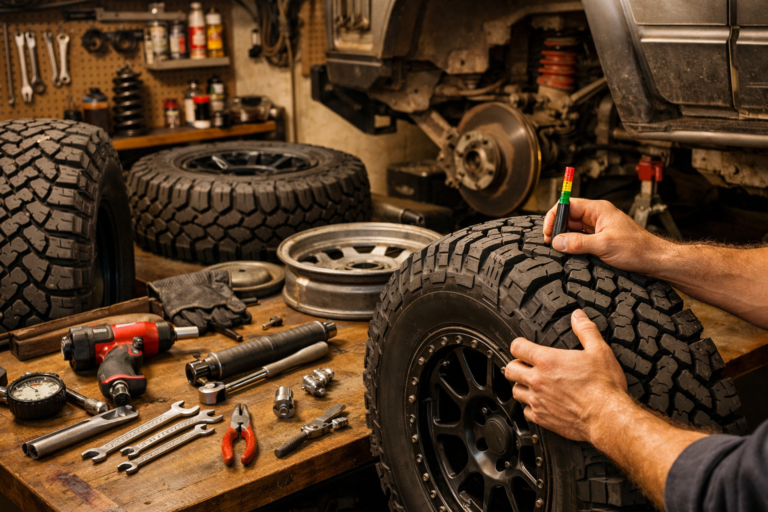
If you remember only one thing, make it this: winter tires matter more than AWD. A Subaru Crosstrek on proper snow tires will out-brake and out-corner a BMW X3 xDrive on all-seasons every single time. I don’t care how many “terrain modes” the BMW has.
Yes, winter tires cost roughly $800–$1,200 for a set, depending on size. But compare that to your insurance deductible and suddenly it’s cheap therapy. For a deeper dive, our AWD Snow Tires 2026 guide lays it out without the marketing fluff.
Throttle Inputs: Smooth Beats Brave
Modern AWD systems react fast, but not faster than stupidity. Mash the throttle on packed snow and the system will shuffle torque around like a panicked casino dealer, killing momentum and stability. The result is forward motion that feels confident until it suddenly isn’t.
Think of the throttle like it’s connected to your grandmother’s fine china. Smooth inputs keep the car balanced, especially in torque-heavy SUVs like the Toyota Highlander Hybrid with roughly 243 hp. Aggression just confuses the software and wastes grip.
AWD Hot Hatches Aren’t Immune Either
I love AWD hot hatches, but they’re some of the worst offenders. Cars like the Golf R, GR Corolla, and Audi S3 launch hard in snow, which tricks drivers into carrying too much speed into corners. Then the rear rotates, the stability control panics, and you’re suddenly a YouTube cautionary tale.
If you want proof, revisit our Golf R vs Audi S3 showdown. Brilliant machines, roughly 315 hp each, but in winter they demand restraint. AWD gives you options, not immunity.
Electronic Aids Aren’t Magic Wands
Traction control, stability control, snow modes—use them, but don’t worship them. These systems are calibrated for average drivers, average tires, and average conditions. Deep snow, glare ice, or mixed traction can still overwhelm them.
Turning everything off isn’t heroic either. That’s how you end up backwards in a ditch, blaming “unexpected ice.” The sweet spot is understanding what the system is doing and driving within it, not against it.
Weight Transfer Is the Silent Saboteur
AWD doesn’t change the fact that weight shifts forward when you brake and backward when you accelerate. Lift abruptly mid-corner in snow and even an AWD car can snap into oversteer. I’ve felt this in everything from a Lexus RX to a Ford Bronco Sport.
The fix is boring but effective: brake in a straight line, turn smoothly, accelerate gently on exit. It’s rally 101, minus the sideways heroics.
Know When AWD Actually Helps
AWD shines on inclines, deep snow, and low-speed traction situations. That’s why it’s brilliant for ski trips, unplowed neighborhoods, and steep driveways. It’s also why people overestimate it on highways.
On a snowy freeway at 60 mph, AWD contributes almost nothing compared to good tires and sane speeds. For more myth-busting, check our deep dive on AWD winter driving, which pulls no punches.
External Reality Checks
If you want cold, hard data, the NHTSA reminds us that winter crashes are dominated by loss of control, not lack of acceleration. Meanwhile, FuelEconomy.gov shows winter MPG drops of 10–20%, which affects range and traction planning.
Manufacturers won’t shout this part, but AWD often adds weight and complexity. More mass means longer stopping distances, especially when grip is limited.
Pros
- AWD improves traction when starting on snow and ice
- Modern systems react faster than older mechanical setups
- Great for hills, deep snow, and unplowed roads
- Boosts confidence when used correctly
Cons
- Does nothing to shorten braking distances
- Encourages overconfidence at speed
- Extra weight can hurt stopping and MPG
The final word is simple: AWD is brilliant, but it’s not a substitute for tires, technique, or humility. Use winter driving AWD properly and it’ll feel like cheating the weather; misuse it and physics will repo your pride without warning. Respect the conditions, and you’ll spend winter at the pub telling stories instead of calling a tow truck.