
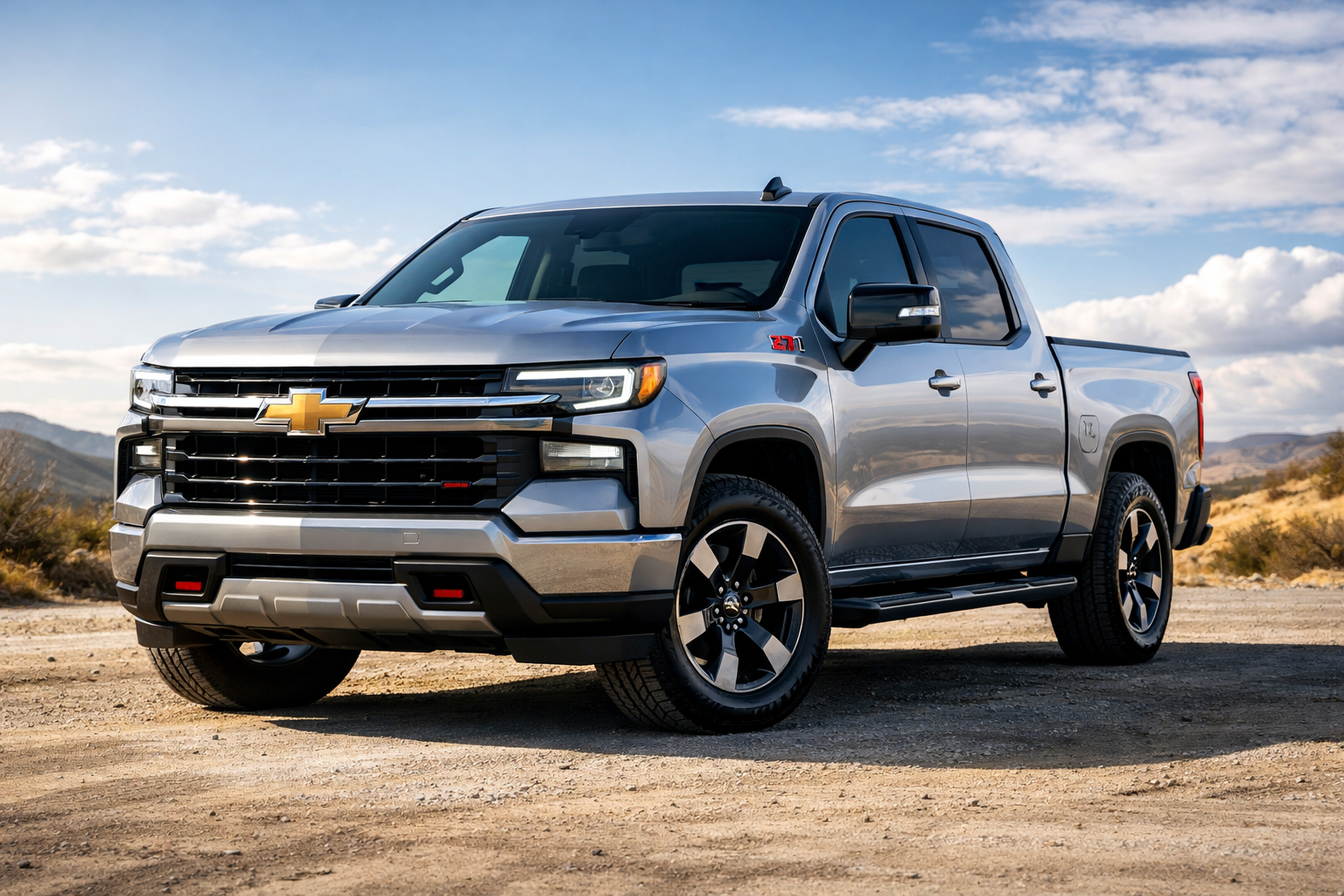
Here’s a spicy truth to kick things off: the most interesting thing about the 2026 Silverado isn’t what GM added, it’s what they’re stalling for. This 2026 Chevrolet Silverado review is really about the calm before the V8 storm, a final polish job before the next-gen small-block allegedly arrives to save us from turbo fatigue and marketing PowerPoints. If you’re shopping right now, this matters because GM trucks live and die on timing, and 2026 is that awkward “do I buy now or wait?” year.
I’ve driven dozens of half-ton pickups, from a Ford F-150 that thinks it’s a spaceship to a Ram 1500 that rides like a luxury barge, and the Silverado has always been the blue-collar bruiser. For 2026, Chevy hasn’t reinvented the wheel, but they’ve quietly tightened the lug nuts. Think of it as a mid-season engine rebuild rather than a full chassis swap.
Before we dive in, yes, this is still a Silverado you recognize, just smarter in places GM previously ignored. And yes, I’m going to tell you whether buying one now makes sense, or if you should clutch your wallet and wait for the rumored next-gen V8 like it’s the second coming of the LS.
Quick Specs
- Starting Price: approximately $38,000 (check manufacturer website for latest pricing)
- Engine: 2.7L Turbo / 5.3L V8 / 6.2L V8 / 3.0L Duramax Diesel
- Power: 310–420 hp / up to 495 lb-ft
- 0-60 mph: as quick as 5.4 seconds (6.2L V8)
- Fuel Economy: up to 23 city / 29 highway mpg (diesel)
Design & First Impressions
Chevy didn’t mess with the Silverado’s face much for 2026, and honestly, good. The squared-off grille still looks like it could punch through drywall, unlike the increasingly origami-inspired Toyota Tundra. New wheel designs and subtle trim tweaks are the kind of updates only owners notice, which is fine because truck buyers hate change more than YouTube comment sections.
The controversial hot take: the Silverado still looks better than the Ford F-150, which now resembles a Cybertruck after a bad Botox session. GMC Sierra buyers will argue theirs is classier, and they’re right, but they also pay for that Denali badge tax. The Silverado remains the honest one in the family.
Interior & Tech
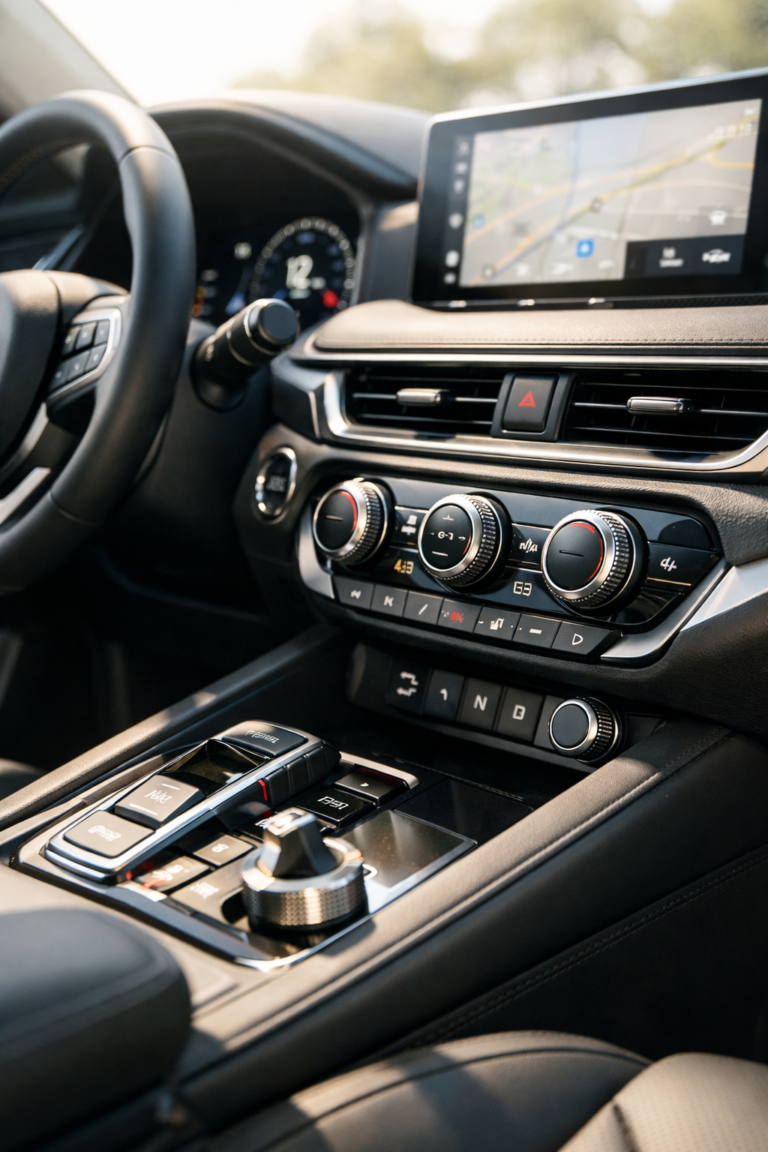
Inside is where the 2026 updates actually matter. The 13.4-inch infotainment screen and 12.3-inch digital gauge cluster are now standard on more trims, and they’re finally responsive enough that I didn’t feel like throwing a Doug DeMuro-style “quirk” tantrum. Google Built-In works well, even if GM’s subscription nonsense still feels like a gym membership you forgot to cancel.
Material quality is improved but still not Ram 1500 good. The Ram’s interior is basically a Texas steakhouse lounge, while the Silverado feels more like a well-equipped jobsite trailer. That said, Chevy’s physical buttons remain a win, especially when you’re bouncing down a trail and trying to adjust climate control without crashing.
Driving Experience
Here’s where the Silverado earns its keep. The 2.7L TurboMax makes 310 hp and a meaty 430 lb-ft of torque, and it pulls harder than its spec sheet suggests. Throttle response isn’t sports-car sharp, but it’s far from lazy, unlike some four-cylinder trucks that feel like they’re asking permission to accelerate.
The 6.2L V8 remains the enthusiast’s choice with 420 hp and a 0–60 mph time around 5.4 seconds, which is absurd for something that can tow a small house. Compared to the Ford F-150’s EcoBoost punch and the Ram 1500’s buttery ride, the Silverado sits in the middle, competent everywhere, dominant nowhere.
Fuel Economy & Running Costs
The diesel is still the MPG king, returning up to 29 mpg highway according to FuelEconomy.gov, and towing with it feels like cheating physics. Gas V8s hover in the high teens, which is fine, but not class-leading. If fuel costs keep you up at night, you’re probably reading our 2026 market guide anyway.
Maintenance costs remain reasonable by truck standards, and long-term reliability has been solid, especially with the 5.3L V8. If you care about dependability more than bragging rights, Silverado ownership aligns well with what we discussed in our reliability picks.
Practicality
Bed options, cab configurations, and trailering tech are all still class-competitive. Chevy’s Multi-Flex tailgate remains one of those features you mock until you use it, then quietly admit it’s brilliant. Payload and towing numbers keep pace with the F-150 and Tundra, depending on configuration.
The infotainment-integrated trailer cameras are genuinely useful, not gimmicky, and Chevy deserves credit for that. For buyers who actually use their trucks, this stuff matters more than ambient lighting colors.
Value vs Competitors
Let’s talk money. Starting around $38,000, the Silverado undercuts a similarly equipped Ram 1500 and matches the Ford F-150, while often offering more torque per dollar. Toyota’s Tundra still feels overpriced for what it delivers, and yes, I said it.
This 2026 Chevrolet Silverado review boils down to timing. Buy now and you get proven engines and solid tech. Wait a year or two, and you might get the next-gen V8, but also first-year gremlins and higher prices.
What’s New Before the Next-Gen V8
GM is clearly in “hold the line” mode. Software updates, minor trim reshuffles, and improved standard features are meant to keep Silverado competitive until the rumored V8 refresh lands. It’s a smart strategy, even if it’s not exciting.
The real story is that GM trucks still matter, something we explored in our deep dive on pickups. The Silverado doesn’t chase trends; it waits them out.
Pros
- Strong engine lineup with proven reliability
- Improved interior tech for 2026
- Excellent towing and trailering features
- Competitive pricing versus key rivals
Cons
- Interior still trails Ram 1500 for luxury feel
- No major design refresh
- Next-gen V8 looming may cause buyer hesitation
So here’s the bottom line of this 2026 Chevrolet Silverado review: it’s the sensible choice in a segment obsessed with novelty. Buy it now, enjoy the engineering GM has already perfected, and when that next-gen V8 finally arrives, you can smugly say you skipped the beta test.