
Luxury used to mean leather so soft it felt like a French bakery and engines that cost more to service than my first flat. Here’s the heresy: in 2026, the real flex is reliable cars value, because nothing screams “I’ve made it” like a car that starts every morning and doesn’t email your dealer for permission. I’ve driven dozens of so-called premium SUVs that feel impressive for six months and then age like milk left on a radiator.
This matters right now because average new-car prices are hovering around $48,000, interest rates are still doing their impression of Everest, and software complexity has exploded. When a 12-inch touchscreen fails on a BMW X5 or Mercedes GLE, you’re not rebooting it like a phone; you’re financing a small yacht for the dealer’s service manager. Meanwhile, cars that simply work are quietly winning the long game.
The smartest buyers I know aren’t chasing badges anymore; they’re chasing uptime, resale, and sanity. Call it grown-up enthusiasm, call it boredom—either way, reliable cars value has become the new luxury benchmark, and the numbers back it up.
Why Reliable Cars Value Is the New Status Symbol
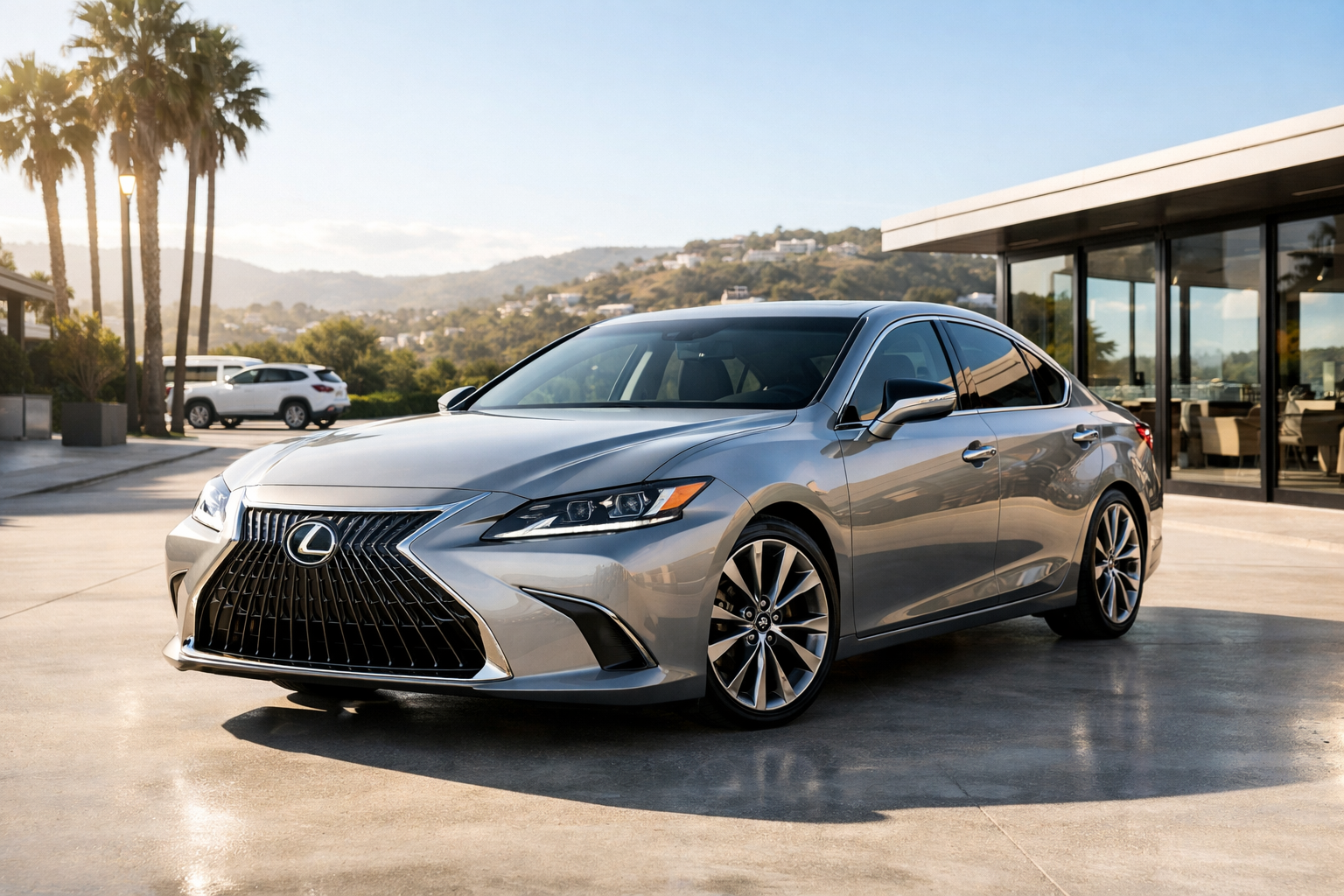
Let’s be blunt: downtime is the enemy of luxury. A Lexus ES that runs for 250,000 miles with oil changes feels more indulgent than a Range Rover Sport that spends its life on a flatbed, no matter how good the massage seats are. Reliability buys you time, and time is the one thing money can’t replace.
There’s also the resale reality. A 2025 Toyota Land Cruiser Prado (global markets) or Lexus GX holds value like a Swiss bank account, while a high-spec Audi Q7 with air suspension depreciates faster than a crypto meme. According to long-term resale data, dependable models can retain 10–20% more value after five years, which is real money.
Hot take: chasing Nürburgring lap times in family cars is marketing nonsense. I’ll take a Honda Accord Hybrid doing 0–60 mph in about 6.5 seconds and returning roughly 48 mpg combined over a 400-hp luxury sedan that needs premium fuel and prayers.
The Engineering That Actually Matters
Reliable cars aren’t boring; they’re disciplined. Proven engines, conservative turbo boost, and transmissions that don’t treat first gear like a disposable napkin are why Toyota, Lexus, Mazda, and Subaru keep winning owner surveys. Yes, a naturally aspirated 2.5-liter making 191 hp won’t melt your face, but it also won’t melt its pistons.
Contrast that with some European rivals layering mild-hybrid systems, adaptive everything, and software updates that arrive like weather forecasts—frequently wrong. I love a Porsche Macan as much as the next YouTuber, but long-term ownership is a different sport. Engineering restraint is the quiet hero here.
If you want a deep dive into brands doing it right, our Most Reliable Cars 2026 guide is basically a cheat code for sensible enthusiasts.
Ownership Costs: The Part Brochures Don’t Shout About
Maintenance is where fake luxury gets exposed. A BMW 5 Series oil change can run $200–$300, while a Toyota Camry Hybrid is closer to $80–$120, approximately—check manufacturer website for latest pricing. Multiply that across brakes, tires, and unscheduled “software recalibrations,” and the gap widens fast.
Insurance follows the same logic. Cars with simpler powertrains and better reliability scores tend to be cheaper to insure, and fewer claims mean fewer headaches. For a sobering look at where the money actually goes, read Luxury Car Ownership Costs: 2026 Breakdown.
Another spicy opinion: extended warranties are often a tax on optimism. If a car needs a $4,000 warranty to feel safe, it’s already failed the luxury test.
Tech That Ages Like Wine, Not Yogurt
Here’s where I channel Doug DeMuro: buttons matter. Physical climate controls in a Mazda CX-5 or Lexus RX mean you’re not hunting through menus at 70 mph like you’re defusing a bomb. Reliability isn’t just mechanical; it’s ergonomic.
Over-the-air updates sound brilliant until your infotainment decides Tuesday morning is a great time to forget Bluetooth. Tesla, Mercedes, and even Volkswagen have learned this the hard way. Simpler systems age better, and aging well is the essence of reliable cars value.
For safety credibility, cross-check NHTSA ratings at NHTSA.gov, because marketing videos don’t count as crash tests.
Fuel Economy and the Joy of Not Visiting Gas Stations
Efficiency is another unsexy superpower. A Toyota RAV4 Hybrid doing around 40 mpg combined saves roughly $800–$1,000 a year compared to a thirsty luxury SUV averaging 22 mpg, assuming 12,000 miles and average fuel prices. That’s a holiday, or a very nice set of tires.
EVs complicate the picture, but even there, reliability matters. Proven platforms like Tesla’s Model Y have matured, while newer luxury EVs sometimes feel like public beta tests. Check real-world efficiency at FuelEconomy.gov before believing range claims.
Competitors: Badge vs Brain
Put a Lexus NX, BMW X1, Audi Q3, and Mercedes GLA side by side. The Germans feel flashier at first touch, but five years in, the Lexus is the one still feeling tight, rattle-free, and smug. Mazda’s CX-50 even sneaks into this fight with near-premium interiors at a starting price around $30,000.
Subaru deserves a nod too. It’s not glamorous, but owners actually use their cars—camping, hauling dogs, living life—as we explored in Subaru Owners Lifestyle. That’s durability meeting reality.
The Middle Ground: Sensible Doesn’t Mean Soulless
I’m not saying abandon joy. Cars like the Acura Integra, Toyota GR Corolla, and Mazda3 Turbo prove you can have 228–300 hp, sub-6-second 0–60 times, and still sleep at night. This is where reliable cars value meets actual enthusiasm.
Chris Harris would tell you feel matters, and he’s right. The trick is choosing cars engineered to be driven hard without falling apart softly.
Pros
- Lower long-term ownership costs and stronger resale
- Proven powertrains with fewer surprise failures
- Tech that ages gracefully instead of expensively
- Less downtime, more actual driving
Cons
- Less badge prestige at the valet stand
- Fewer cutting-edge gimmicks
- Performance bragging rights can be lower
The punchline is simple: the smartest luxury buy in 2026 isn’t the flashiest—it’s the one that quietly delivers reliable cars value every single day. Because when your car just works, that’s not boring. That’s brilliant.