
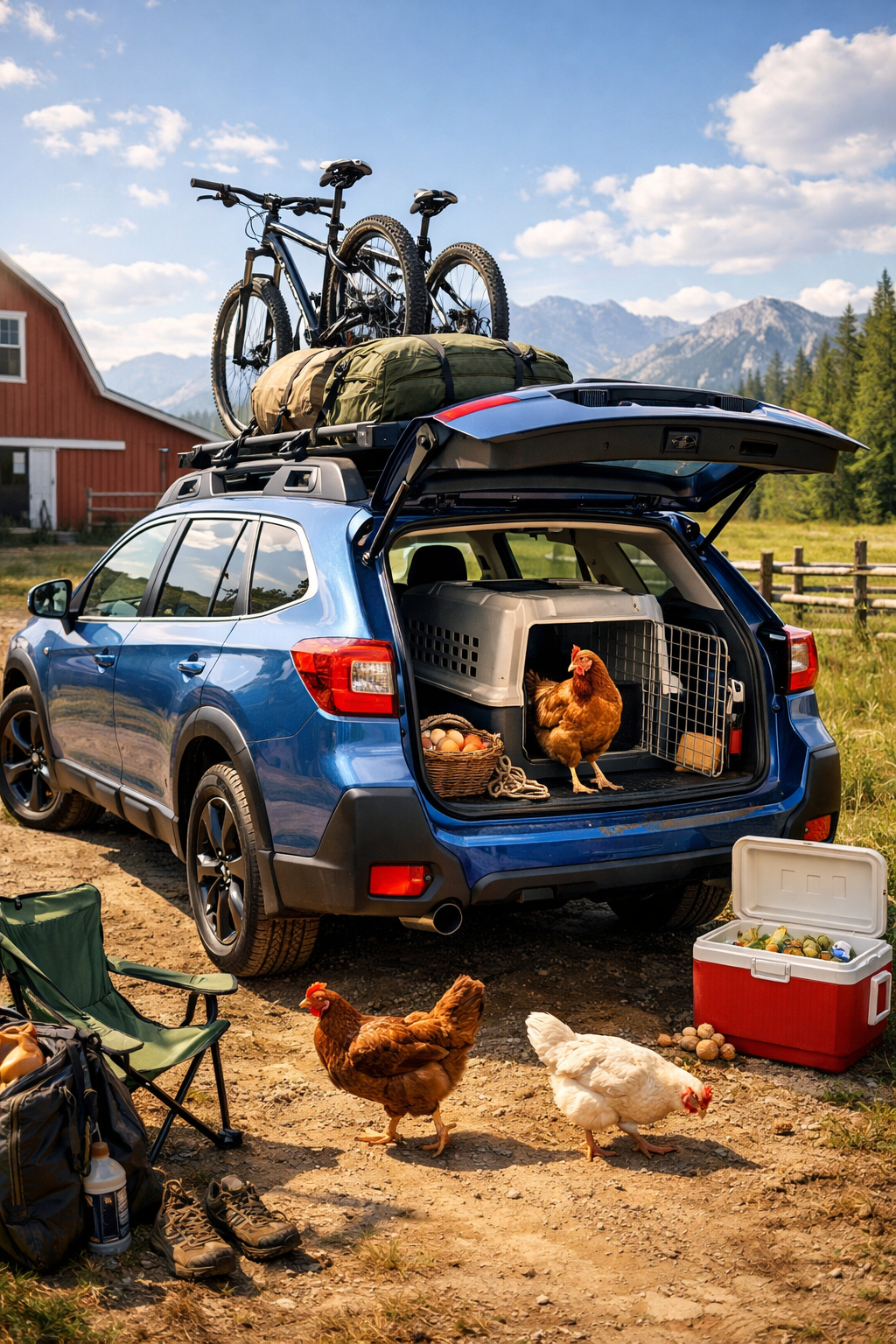
Here’s the uncomfortable truth: Subaru doesn’t sell cars, it sells permission slips. Permission to live a Subaru owners lifestyle that involves muddy boots, wet dogs, IKEA runs at midnight, and yes, I’ve personally seen chickens riding shotgun in an Outback with heated seats turned on. That’s not marketing fluff—that’s a Tuesday in Vermont.
This matters right now because while Toyota RAV4s and Honda CR-Vs are busy cosplaying as adventurous on Instagram, Subarus are quietly hauling compost, kayaks, and three generations of golden retrievers without asking for applause. I’ve driven dozens of SUVs over 15 years, and nothing else attracts such gloriously weird, practical owners who actually use the brochure photos as instructions.
And before Jeep Wrangler purists start sharpening pitchforks, remember this: most Subarus never see a mall parking lot. They see snowbanks, gravel roads, and the kind of chaos that would have a BMW X3 driver phoning roadside assistance.
Subaru Owners Lifestyle Isn’t a Vibe—It’s a Job Description
Subaru owners don’t “weekend.” They harvest, haul, rescue, and occasionally sleep in their cars. The brand’s 2025 Outback, starting around $30,000 (check manufacturer website for latest pricing), is less a crossover and more a Swiss Army knife with symmetrical AWD.
Compared to a Ford Bronco Sport or Toyota Corolla Cross, the Subaru crowd actually expects scrapes on the bumper. My hot take: if your Subaru doesn’t smell faintly of wet pine needles, you’re doing it wrong.
Yes, They Really Transport Chickens
I wish this were a joke, but I’ve seen at least five Subarus used as mobile poultry transport. The Forester’s 76.1 cubic feet of cargo space with seats down is basically a feather-friendly box on wheels.
Try that in a Mazda CX-5 with its sloping roofline and you’ll be explaining to a chicken why aerodynamics matter. Subaru owners don’t care about drag coefficients; they care if the hatch opens wide enough for a crate and doesn’t freak out the birds.
Dogs, Dirt, and Gear That Would Break a Luxury SUV
Subaru interiors are durable in the same way a Patagonia jacket is durable—functional first, pretty later. The 2026 Crosstrek’s StarTex seats laugh at muddy paws and spilled coffee, something a Mercedes GLC’s leather would file a lawsuit over.
This is where Subaru utility beats the Hyundai Tucson and Nissan Rogue. Those cars promise adventure; Subarus assume it’s already happening and bring rubber mats.
Snow Isn’t a Crisis, It’s Tuesday
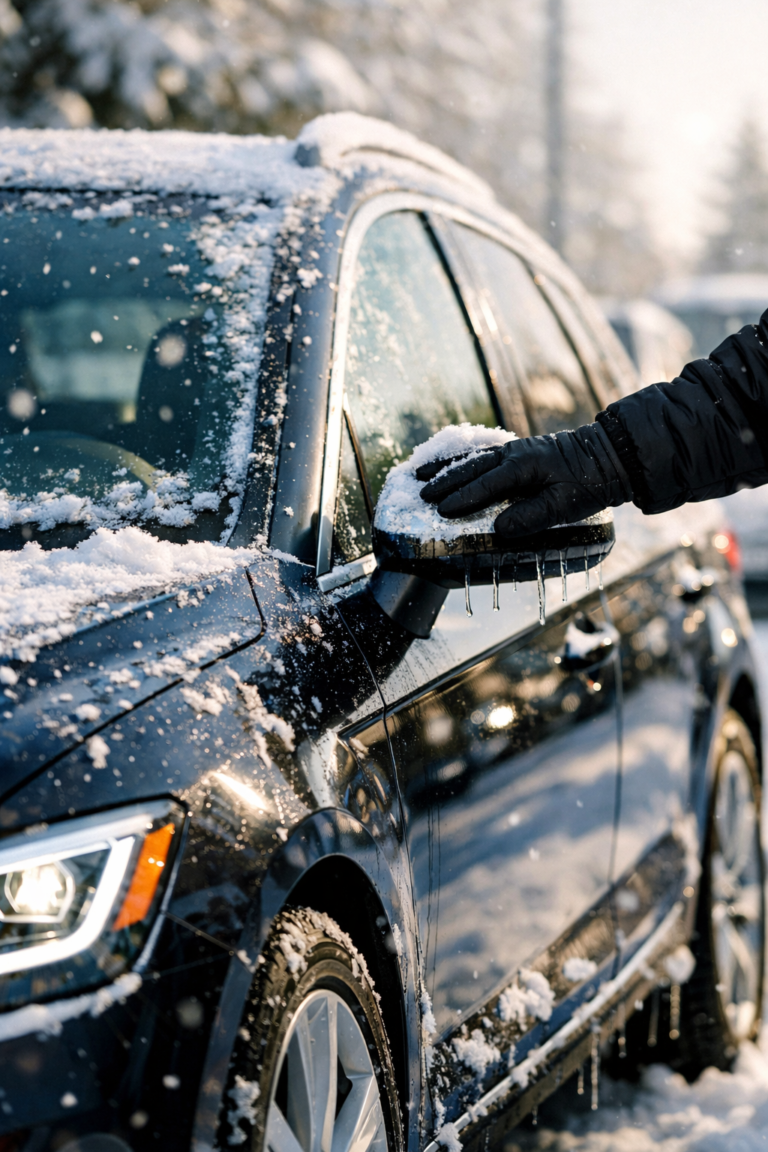
Subaru’s symmetrical AWD isn’t magic, but it’s predictable, which matters more when you’re descending an icy hill at 6 a.m. I’ve tested it back-to-back with AWD systems from VW and Honda, and Subaru’s setup feels less reactive and more honest.
Still, controversial opinion time: AWD without proper tires is nonsense. If you think AWD alone saves you, read this winter AWD reality check before physics teaches you a lesson.
They Buy Subarus Instead of Trucks—and They’re Usually Right
Most Subaru owners don’t need a full-size pickup, and they know it. An Outback towing 3,500 lbs will handle bikes, mulch, and small trailers without the fuel bill of a Chevy Silverado.
There’s a reason why trucks still matter, but for 80% of real-world tasks, a Subaru is the smarter, cheaper answer. Hot take: half of lifted trucks I see could be replaced by a $34,000 Forester and nobody would notice—except their wallet.
Subaru Owners Actually Maintain Their Cars
This is the unsexy secret: Subaru owners service their cars. Timing chains, CVTs (yes, they’re better now), and oil changes actually happen on schedule, which is why you see 2015 Outbacks with 180,000 miles still hauling kayaks.
If you’re shopping smart, cross-check Subaru’s reliability reputation with lists like the most reliable cars for 2026. Spoiler: Subaru keeps showing up for a reason.
Fuel Economy Is “Good Enough,” Not the Point
No Subaru wins hypermiling contests. A 2025 Forester does approximately 26 mpg city and 33 highway, according to FuelEconomy.gov, which is fine, not fabulous.
But owners trade a few mpg for capability. If efficiency is your religion, buy a RAV4 Hybrid. If life happens on unpaved roads, you buy Subaru.
Safety Is Quietly Excellent
Subaru’s EyeSight system isn’t flashy, but it works, and crash-test results from NHTSA back that up. Five-star ratings aren’t exciting, but neither is visiting a body shop.
This matters when your car is loaded with kids, dogs, or—say it with me—chickens.
Subaru Owners Lifestyle: The Middle Ground Nobody Else Nails
Here’s the big picture: Subaru owners aren’t extreme off-roaders like Wrangler folks, nor are they suburban minimalists in CR-Vs. The Subaru owners lifestyle lives in the messy middle—practical, outdoorsy, slightly smug, and usually right.
They don’t want luxury, they want trust. And Subaru, for all its CVT jokes and underpowered engines, delivers that trust better than most.
Pros
- Genuine utility owners actually use
- Excellent AWD for real-world conditions
- Strong safety ratings and durability
- Resale values remain high
Cons
- CVT still turns off enthusiasts
- Engines prioritize reliability over excitement
- Infotainment lags behind rivals
At the end of the day, the Subaru owners lifestyle isn’t about image—it’s about use. And whether you’re hauling dogs, dirt bikes, or suspiciously calm chickens, Subaru remains the automotive equivalent of a reliable friend who shows up early, stays late, and never complains.