
Six hundred horsepower, a five-speed manual, and no apologies. That’s the sort of spec sheet that makes modern supercars nervously adjust their adaptive dampers and check their software licenses. The Donkervoort P24 RS is the kind of machine that exists purely because someone in the Netherlands decided the world needed less touchscreens and more terror.
This matters right now because everything else north of $200,000 is either hybridized, electrified, or filtered through three layers of corporate risk management. I’ve driven dozens of SUVs this year that claim to be “sporty,” yet here’s a 600 hp sports car that weighs about as much as a well-fed motorcycle and still lets you stir your own gears. The Donkervoort P24 RS isn’t chasing trends; it’s flipping them the bird.
American roads are brutal honesty tests, full of expansion joints, potholes, and drivers who think turn signals are optional DLC. So I brought this Dutch lunatic to the U.S. to see whether it’s a track-only trophy or a genuinely usable road weapon. Spoiler: it’s both, and that’s what makes it fascinating.
Quick Specs
- Starting Price: approximately $285,000 (check manufacturer website for latest pricing)
- Engine: 2.5L turbocharged inline-5
- Power: 600 hp / 516 lb-ft
- 0-60 mph: approximately 2.5 seconds
- Fuel Economy: roughly 18 city / 24 highway mpg
Design & First Impressions
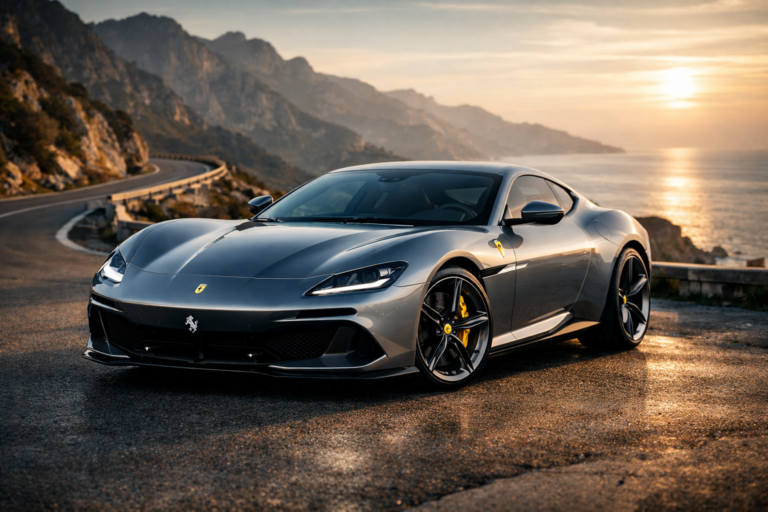
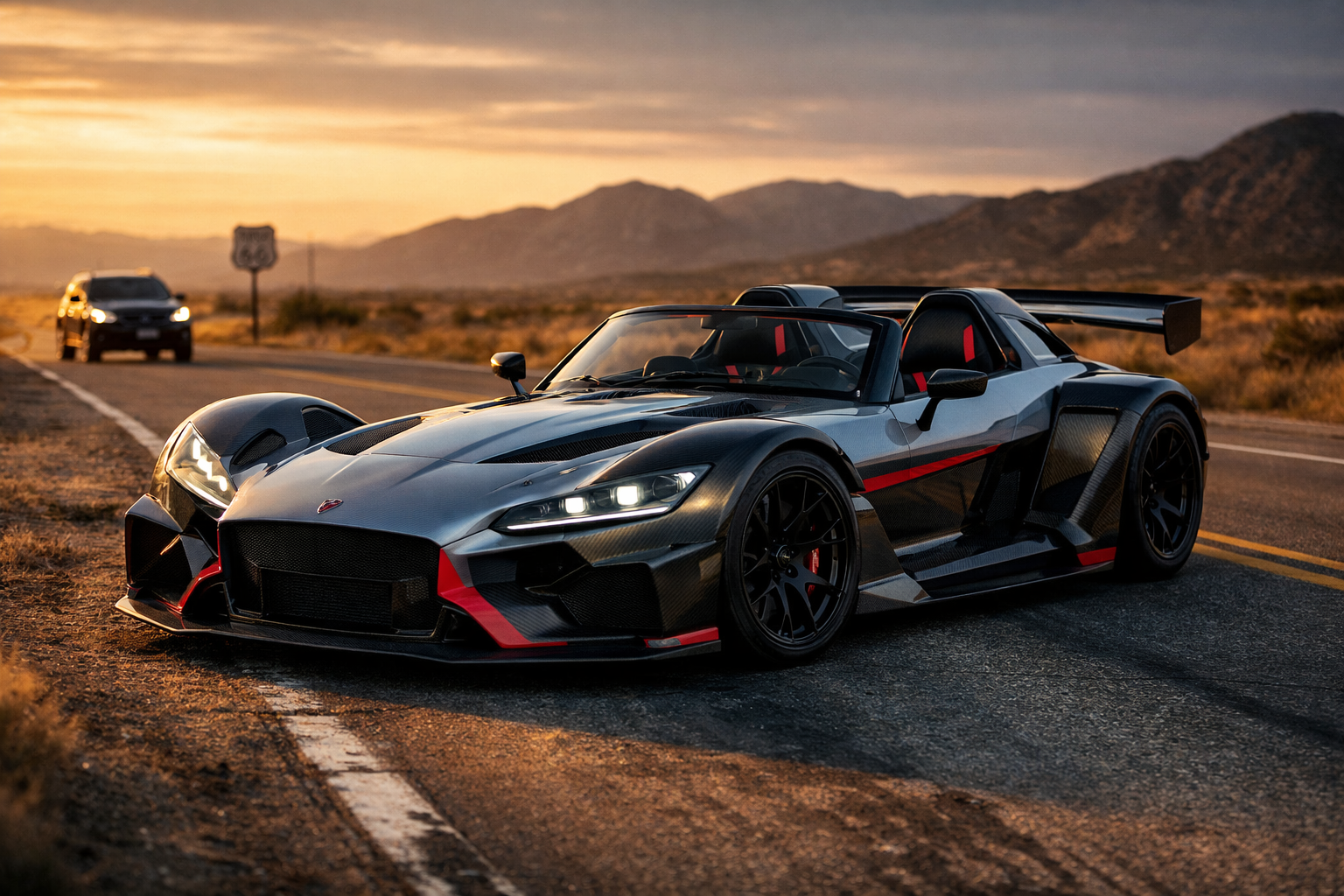
The P24 RS looks like someone weaponized a Le Mans prototype and then removed everything deemed “polite.” Carbon fiber is everywhere, exposed proudly, like a skeleton flexing in the mirror. Park it next to a Porsche 911 GT3, McLaren 750S, or even a Caterham Seven, and it still looks like the one that bites.
There’s no attempt to smooth airflow for aesthetics; every vent, wing, and splitter is there to do a job. The nose is low enough to scare raccoons, and the rear wing could double as a picnic table. Hot take: this makes most modern supercars look overstyled and under-engineered.
Interior & Tech
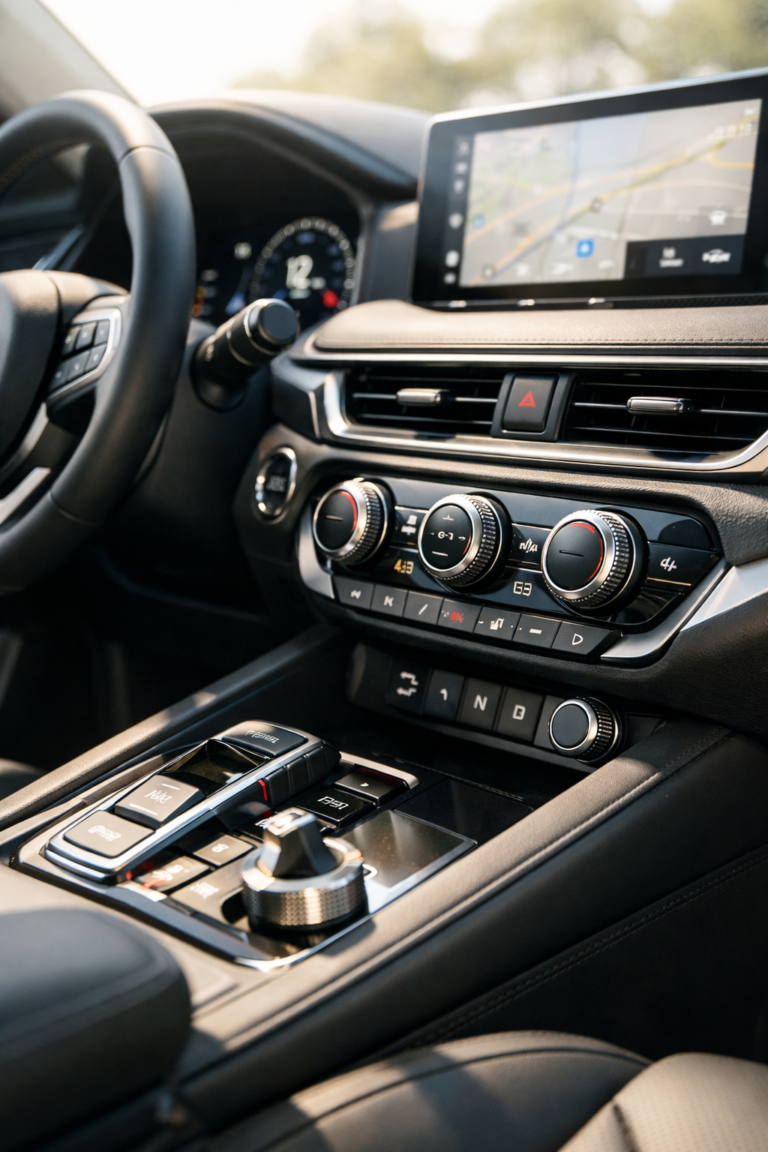
Calling it an interior is generous, but everything you touch matters. You get fixed-back carbon seats, a removable steering wheel, and a digital dash that shows boost pressure instead of Instagram notifications. This is the anti-Tesla, and frankly, it’s refreshing given how much data automakers are quietly hoovering up, something we’ve covered in our deep dive on car data privacy.
No Apple CarPlay, no ambient lighting, no wellness modes. The switchgear feels like it was borrowed from aviation, because it probably was. Controversial opinion: if you want a 12-inch touchscreen in a car like this, you’ve missed the point entirely.
Driving Experience
The first thing you notice is the clutch, which has all the forgiveness of a bouncer on payday. But once you’re rolling, the five-speed manual is a revelation, with throws shorter than a New York minute and mechanical feedback modern gearboxes have forgotten. The throttle response is immediate, not “sport mode immediate,” but genuinely alive.
On American back roads, the chassis is firm but not spine-snapping. Donkervoort’s trick suspension tuning means it breathes with the road instead of fighting it, unlike some track refugees that skitter over bumps like caffeinated squirrels. Compared to a Porsche 911 GT3 RS or a Corvette ZR1, this feels rawer, louder, and more honest.
At full chat, the 2.5-liter five-cylinder howls like a rally car that discovered protein shakes. 0–60 mph in about 2.5 seconds feels believable because the car weighs roughly 1,600 pounds, which is lighter than the options list on a BMW M5. This is where the Donkervoort P24 RS earns its legend.
Handling American Roads
Here’s where I expected compromise, but it never really arrived. Expansion joints are felt, not feared, and potholes are avoided more by visibility and agility than compliance. It’s not cushy, but neither is a GT3, and at least this car tells you exactly what’s happening under the tires.
Hot take number two: this handles broken American tarmac better than most $150,000 “luxury performance” sedans. Cars like the BMW M5 CS or Audi RS7 feel isolated to the point of numbness. The Donkervoort feels alive, and that’s the whole point.
Fuel Economy & Running Costs
No one buys a 600 hp sports car to save fuel, but roughly 18 mpg city and 24 highway is almost hilarious given the performance. The lightweight philosophy pays dividends here, especially compared to heavier rivals lugging around batteries and motors. Check EPA-style data at FuelEconomy.gov for context, though low-volume cars like this are often exempt.
Maintenance won’t be cheap, but it’s refreshingly straightforward. No hybrid systems, no complex AWD electronics, just an engine and mechanical bits you can actually understand. If you’re curious how complexity affects long-term ownership, our piece on hybrid maintenance realities is eye-opening.
Practicality
Practicality is relative, and in this case, it means “can you drive it to a track day without a chiropractor on retainer?” The answer is yes, barely. There’s minimal storage, no cupholders worth mentioning, and entry requires yoga-level flexibility.
But you can road trip it if you’re committed, and that alone puts it ahead of pure track toys. Compared to something like a Radical RXC or Ariel Atom, this feels downright accommodating.
Value vs Competitors
At approximately $285,000, the P24 RS isn’t cheap, but value isn’t just about price. A Porsche 911 GT3 RS will run similar money once options kick in, and a McLaren 750S sails past $300,000 without blinking. The Donkervoort gives you exclusivity those cars can’t touch.
Here’s the controversial bit: I’d take this over a lightly used Ferrari 488 every day of the week. The Ferrari is faster in a straight line, sure, but it’s also filtered, sanitized, and increasingly digital. The Donkervoort P24 RS feels like the last stand of analog insanity.
Pros
- Insane power-to-weight ratio
- Manual transmission purity
- Surprisingly capable on rough roads
- True mechanical feedback
Cons
- High entry price
- Minimal comfort features
- Not for casual drivers
Verdict
The Donkervoort P24 RS is a glorious anachronism, a reminder that speed doesn’t need software updates to be thrilling. It’s flawed, demanding, and occasionally terrifying, which is exactly why it matters. In a world racing toward autonomy, this thing grabs you by the collar and shouts, “Drive, or get out of the way.”
If you want more sanitized performance, buy a badge and an app. If you want something that makes every mile feel earned, check the official specs at Donkervoort’s website, and make sure your local roads are ready. This car certainly is.