
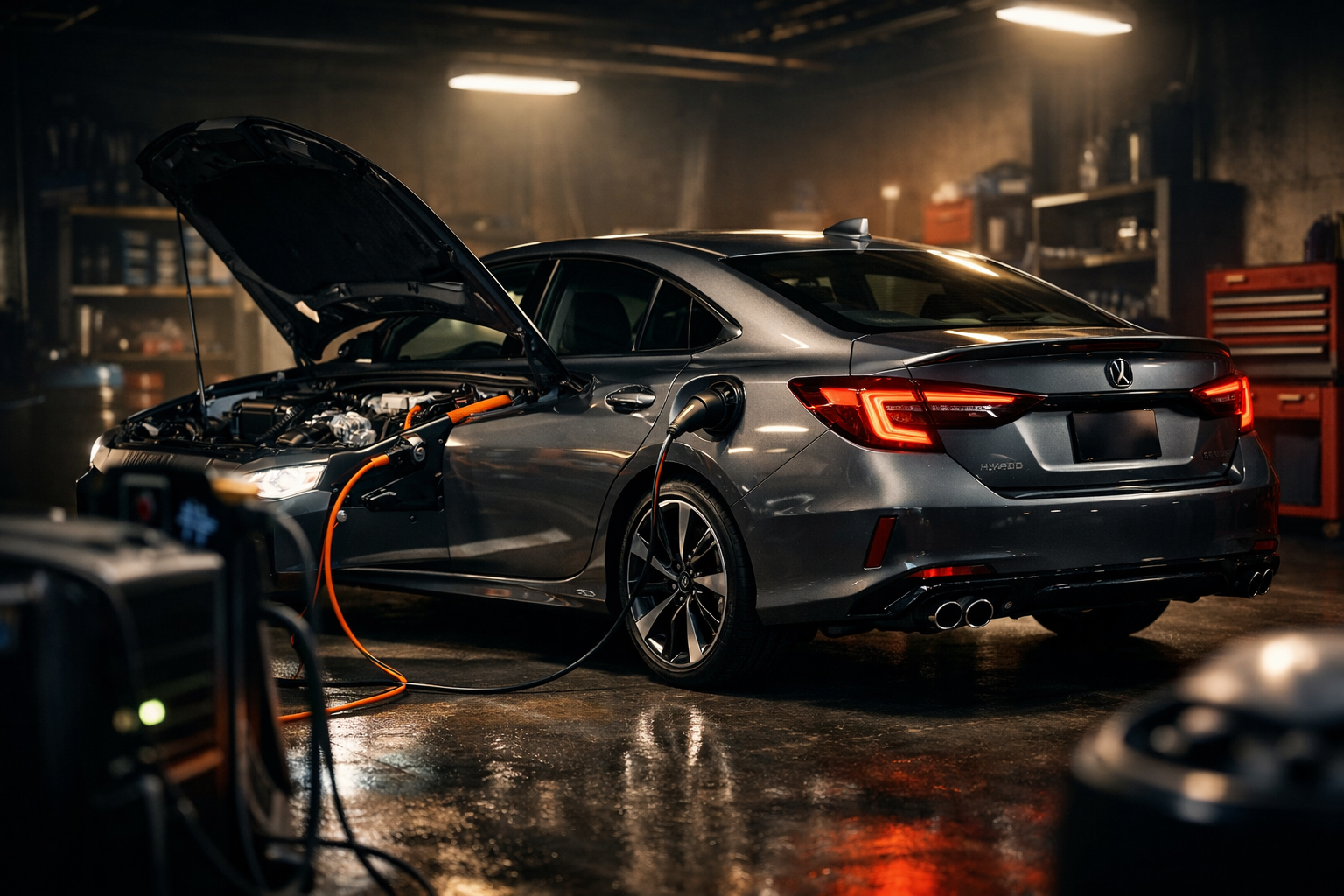
The dirty secret about modern hybrids is this: they’re closer to Formula 1 cars than most owners realize, and yet we still maintain them like a 2009 Corolla. That’s a problem, because hybrid maintenance now involves energy recovery, thermal management, and software logic cleverer than most corporate mission statements. If you care about hybrid maintenance, especially as F1 tech transfer accelerates into 2025 and 2026 road cars, you need to up your game.
This matters right now because hybrids aren’t just about saving fuel anymore. Cars like the Toyota Prius, Honda Accord Hybrid, and Ford Maverick Hybrid are using lessons straight from the pit lane, blending electric torque fill with downsized turbo engines. Ignore the maintenance side, and your “self-charging efficiency machine” will age faster than milk in a glovebox.
I’ve driven dozens of hybrids over the last decade, from sensible Toyotas to mildly unhinged Ferrari SF90s, and the common thread is this: the hardware is brilliant, but only if you look after it properly. Consider this your pub-chat guide to keeping your hybrid healthy as F1 tech filters down to the driveway.
Quick Specs
- Starting Price: approximately $27,000 (check manufacturer website for latest pricing)
- Engine: 2.0L–2.5L NA or Turbo + Electric Motor
- Power: 190–240 hp combined
- 0-60 mph: 6.5–7.5 seconds
- Fuel Economy: 44 city / 47 highway mpg (FuelEconomy.gov)
Why Hybrid Maintenance Suddenly Matters More
Old hybrids were glorified battery-assisted economy cars. Modern ones are energy managers, juggling regen braking, electric boost, and thermal limits like a Red Bull race engineer on espresso. This is exactly the stuff Ford talks about in its F1 hybrid tech deep dive, and it’s already in your driveway.
Here’s the hot take: hybrids are now more complex than many EVs. An EV has one drivetrain to worry about; a hybrid has two plus a referee. Skip maintenance, and efficiency drops, batteries degrade, and throttle response gets lazier than a cat in a sunbeam.
Understand Your Battery Like an F1 Energy Store
Hybrid batteries aren’t fragile porcelain dolls, but they do hate neglect. Most 2025–2026 hybrids use lithium-ion packs designed to last 8–10 years or 100,000 miles, often longer with proper care. Heat is the enemy, so keep cooling vents clear and never ignore warning lights.
Contrary to internet wisdom, you don’t need to “baby” the battery. Regular use is good; long-term storage is bad. F1 teams cycle batteries constantly, and your Prius or RAV4 Hybrid prefers the same philosophy.
Cooling Systems: The Unsung Hero
If batteries are the brain, cooling systems are the circulatory system. Many hybrids have separate cooling loops for the battery, inverter, and engine, which means more coolant and more service intervals. Yes, it’s boring, but ignoring it is how expensive components cook themselves.
This is where corporate buzzwords like “advanced thermal architecture” actually mean something. Check coolant levels annually and replace fluids at manufacturer intervals, not “when I remember.” Your wallet will thank you.
Brakes Are Different Now—Treat Them That Way
Regenerative braking means your pads and rotors live an easier life, but they also corrode faster from lack of use. I’ve seen 30,000-mile hybrids with crustier brakes than a BMW M3 track toy. The fix is simple: occasional firm stops to clean the surfaces.
Competitors like the Hyundai Sonata Hybrid, Kia Niro, and Toyota Camry Hybrid all show this trait. It’s not a defect; it’s physics. Drive them properly, not timidly.
Software Updates Are the New Oil Changes
Here’s another controversial truth: skipping software updates is worse than stretching oil changes. Hybrid control software manages energy flow, charging logic, and even transmission behavior. Manufacturers quietly fix efficiency bugs and drivability issues via updates.
This is why I tell owners to embrace dealer visits selectively. Not for upsold air fresheners, but for genuine firmware updates that can restore lost mpg or smooth jerky transitions.
Step-by-Step: Practical Hybrid Service Tips
If you want actionable hybrid maintenance advice, start here. Check your 12V battery annually, because hybrids murder weak auxiliary batteries faster than EVs. Inspect cooling vents every oil change, and follow oil specs religiously.
Use quality fluids, not bargain-bin nonsense, and keep service records. When resale time comes, a documented hybrid is worth thousands more than a mystery box with warning lights.
Common Mistakes Owners Keep Making
The biggest sin is ignoring the car because “it’s efficient.” Efficiency doesn’t mean invincible. Another mistake is assuming any mechanic understands hybrids; many don’t, and some won’t admit it.
Finally, stop believing that hybrids are maintenance-free. That myth needs to die, preferably quietly, like a neglected inverter.
Pro Tips Straight from Motorsport Thinking
Warm-up matters, even in hybrids. Short trips murder efficiency and longevity, so combine errands when possible. This is basic F1 thinking applied to grocery runs.
If you want to nerd out further, read our deep dive on F1 hybrid tech transfer and how it shapes road cars. It’ll change how you drive and maintain your hybrid.
When to Call a Professional
High-voltage systems are not DIY territory. If you see isolation faults, charging errors, or repeated warning lights, stop playing hero. Call a certified technician.
NHTSA safety guidance is clear on this, and you can cross-check recalls and safety info at NHTSA.gov. Electricity doesn’t forgive stupidity.
Pros
- Lower running costs when maintained correctly
- F1-derived efficiency tech actually works
- Strong resale value with service records
- Reduced brake and engine wear
Cons
- More complex than traditional gas cars
- Dealer dependence for software updates
- Neglect gets expensive quickly
Hybrid maintenance isn’t scary, but it does demand respect, especially as F1 tech transfer reshapes everyday cars. Treat your hybrid like the clever machine it is, not a magical appliance, and it’ll reward you with years of cheap, smug motoring. Ignore it, and you’ll learn very quickly that physics always collects its bill.