
Ever wondered why the Eskimo have over fifty words for snow but we’re stuck with just “tires” for those four crucial contact points between your car and the wintery roads? This oversight becomes starkly apparent when winter hits and you realize your all-seasons are about as useful as a chocolate teapot. Especially if you’re driving anything with less grip than a mountain goat, say, a brand-spanking-new 2026 Subaru WRX on factory rubbers. This year, let’s not let winter catch us on the wrong foot – or tire. Here’s the lowdown on selecting the right snow tires for AWD and FWD vehicles as of 2026.
Why, you ask? Because not all rubber is created equal, particularly when you’re negotiating the slippery slope between staying on the road and starring in your very own unintentional snow rally. With choices ranging from studded to studless, and from the well-heeled to bargain-bin options, picking the right snow tires in 2026 is as crucial as choosing the right ski slope: underestimating either can lead to a bruised ego, or worse. And for vehicles like the Subaru WRX, where spirited winter driving is part of its DNA, slapping on the right winter tires is akin to giving it the proper shoes to dance in the snow.
Snow Tires vs. All-Season Tires: The Cold Hard Truth
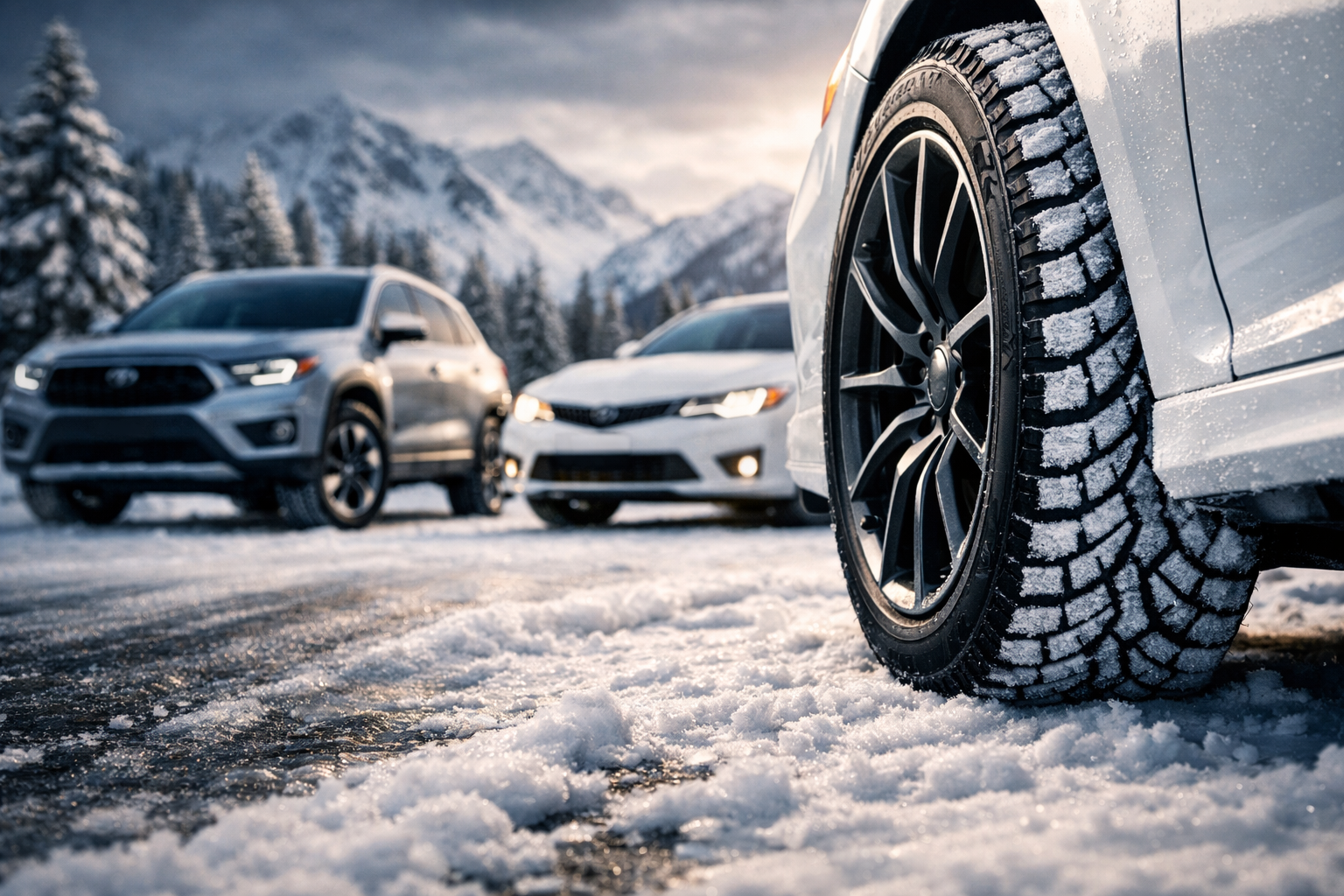
First off, let’s get one myth out of the way: All-season tires are a master of none. They’re the culinary equivalent of a Swiss Army knife – sure, it can cut, screw, and open bottles, but it’s hardly the tool for a Michelin-star chef. When temperatures drop and roads get as slippery as a politician’s promise, you want dedicated snow tires. Their softer rubber compounds stay pliable in cold weather, giving them better grip and braking performance on ice and snow compared to their all-season counterparts.
The Science of Snow Tires for AWD Systems
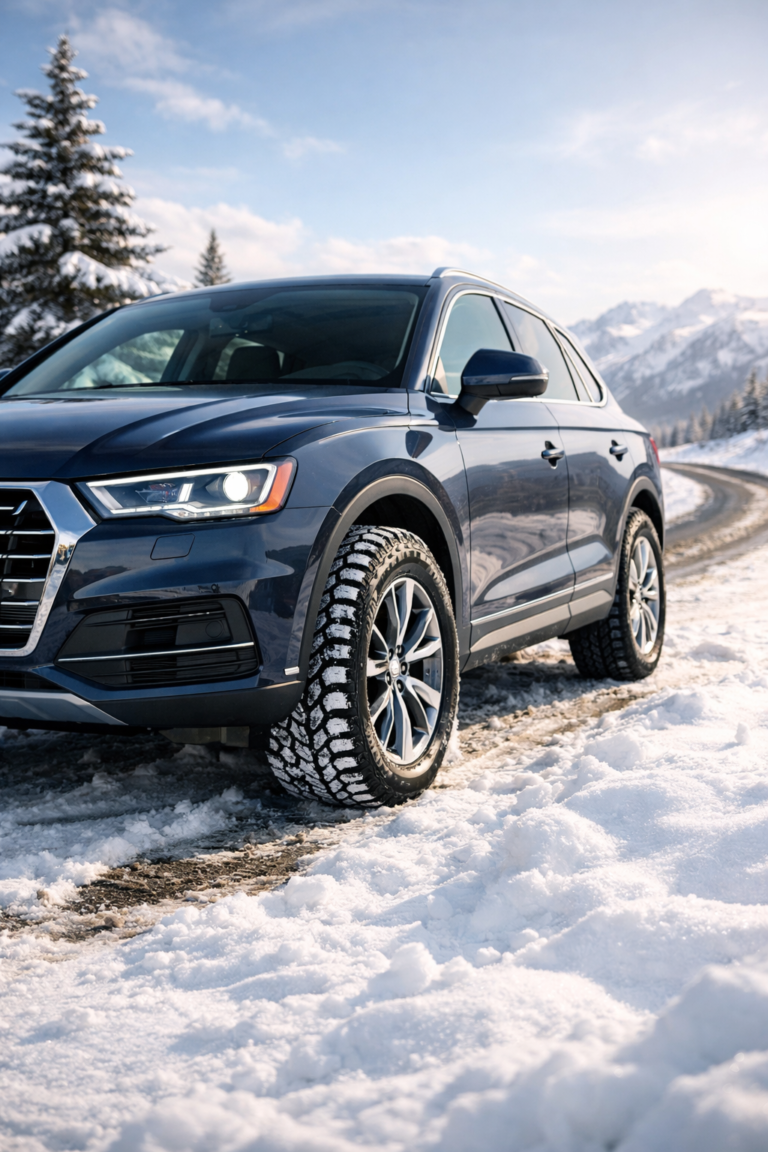
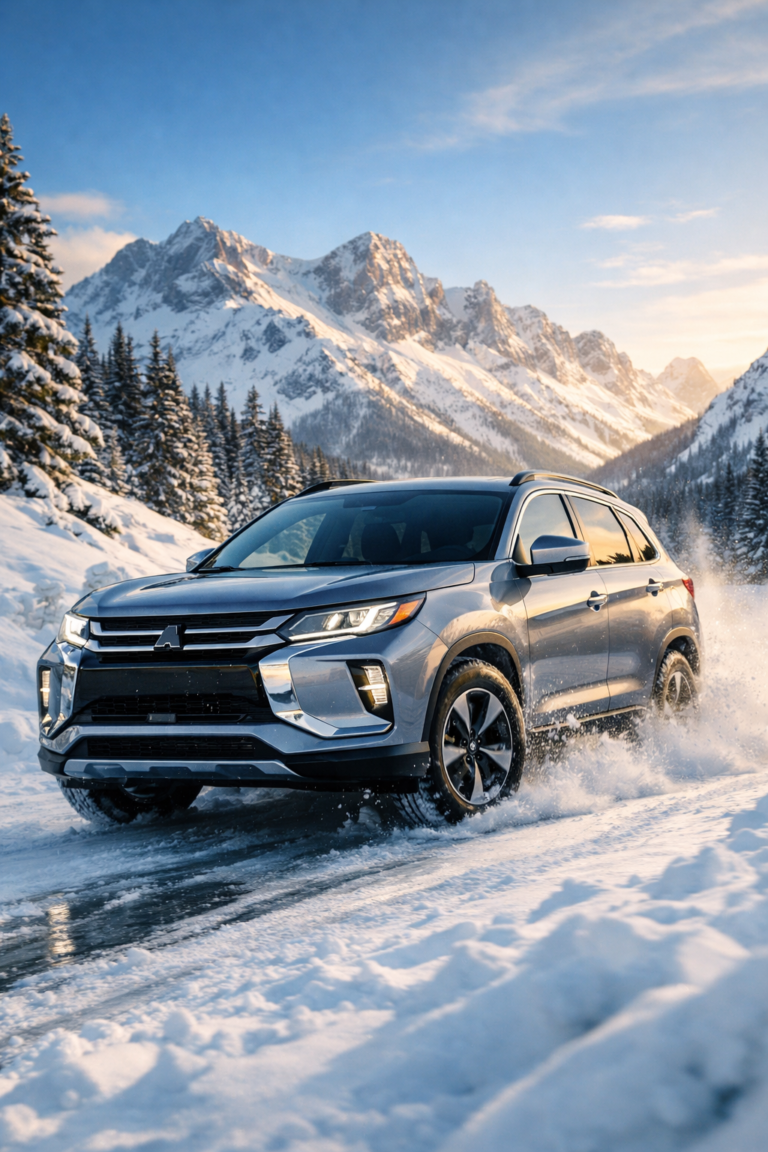
All-Wheel Drive (AWD) vehicles, like the aforehinted Subaru WRX or its natural predators, the Civic Si and Volkswagen Golf R, come with a promise: better traction in all conditions. But that promise is only as good as the tires’ grip. AWD snow tires are engineered with deeper tread blocks and biting edges for channeling snow and biting into ice, enhancing that natural AWD advantage. Think of them as the spiked boots of the car world.
Front-Wheel Drive and Snow Tires: A Match Made in Winter Heaven
You might think your FWD car will struggle in the snow, but with the right winter tires, you’ll be handling the white stuff like a postal worker – through rain, sleet, or snow, they deliver. FWD vehicles inherently pull themselves along, reducing the risk of rear-end fishtailing. Add a set of quality snow tires to the equation, and you’ve got a winter warrior. Granted, it won’t have the all-terrain prowess of an AWD with snow tires, but you’ll be surprised how capable a FWD car can be with proper footwear.
Choosing the Right Snow Tires for Your Vehicle
The tire selection guide for 2026 reads like a sommelier’s menu, offering various complexities and notes of performance. But here’s a tip: always match tires to your vehicle’s handling characteristics and your driving demands. For an enthusiast’s car like the Subaru WRX, look for tires that offer both performance handling and snow capability. Brands like Bridgestone Blizzaks or Michelin X-Ice are often the go-to for spirited drivers needing Subaru WRX winter tires.
Studded vs. Studless Snow Tires: A Pointed Debate
Here’s where I drop a controversial icicle: studded tires are overkill for most drivers. There, I said it. Unless you’re living in a snow-capped fortress of solitude or atop the icy crags of Mount Doom, modern studless snow tires provide ample traction for the average Joe’s winter escapades. Studded tires do offer superior grip on pure ice, but they’re noisier than a heavy metal concert and can chew up asphalt roads like a starved beaver.
Installation and Care: Keep Your Tires Chilling
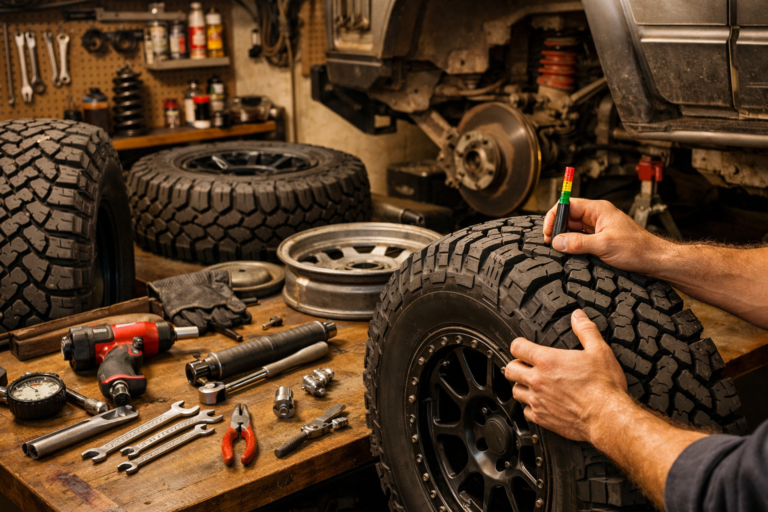
Don’t be that person who thinks they can slap on snow tires the day after the first snowfall and call it done. Prepare to switch to winter tires when the temperature consistently hits 7°C (45°F) or below. It’s not just about snow; it’s about temperature. As for caring for your winter tires, remember, they’re like a good winter coat – if you take care of them, they’ll keep you warm (or in this case, gripped) for many seasons. Store them in a cool, dry place away from sunlight when not in use, and keep them properly inflated according to your vehicle’s specifications.
The Final Spin: What’s the Best Snow Tire for 2026?
If you’re driving an AWD hero like the Subaru WRX or any spirited FWD machine, investing in top-tier snow tires is the difference between owning the winter roads and being owned by them. The right tire doesn’t just enhance your vehicle’s performance in snow; it transforms winter driving from a slippery ordeal into a grip-filled joyride.
In the realm of snow tires for 2026, the choice ultimately boils down to your specific needs and driving conditions. But remember, the best snow tire is the one that gets you home safely, regardless if it’s studded, studless, or has enough tread technology to make your head spin. So, before the first snowflake falls, make sure your tires are ready to face the winter head-on. Because nothing says “I’m a savvy motorist” quite like being the only one not stuck in a ditch when the blizzard hits. And that, my friends, is a wrap on winter driving for 2026.
Affiliate Disclosure: This article contains affiliate links. If you purchase through these links, we may earn a small commission at no extra cost to you. This helps support our work and allows us to continue providing free automotive content. Learn more about our affiliate policy.