

The average new-vehicle payment in the U.S. is now brushing up against an $800 car payment, a figure that would have sounded absurd just five years ago. According to Cox Automotive and Reuters reporting through early March 2026, average monthly payments on new cars are hovering between $760 and $790, with more than 17% of borrowers committing to payments above $1,000.
This isn’t a one-month spike. It’s the culmination of higher vehicle prices, elevated interest rates, and longer loan terms reshaping what “normal” looks like in the American driveway. The question isn’t whether payments are high — it’s whether this is the new baseline or the peak before a correction.
The Headlines
- What: Average U.S. new-car payments approach $800 per month in early 2026
- Who: U.S. car buyers, lenders, and automakers including Ford, GM, Toyota, and Tesla
- When: Q1 2026 data, reflecting loans originated in late 2025 and early 2026
- Impact: Affordability pressures are pushing buyers toward longer loans, used cars, and cheaper trims
- Key Number: 17% of new-car borrowers now pay over $1,000 per month
What Happened
New-vehicle transaction prices remain near record highs, averaging around $48,000 according to Cox Automotive estimates for February 2026. Meanwhile, average auto loan rates for new cars are still above 7%, per Federal Reserve data and lender surveys tracked by Bloomberg.
Put those together with typical loan terms stretching to 72 or even 84 months, and the math gets brutal. An $48,000 vehicle financed at 7.2% over 72 months yields a monthly payment just under $820 with minimal down payment. In other words, the $800 car payment is no longer reserved for luxury brands.
Additionally, delinquency rates are ticking up. The Federal Reserve Bank of New York reported in its latest Household Debt and Credit update that auto loan delinquencies among subprime borrowers have reached levels not seen since 2010. That’s fueling talk of an “auto loan crisis 2026,” particularly in lower-income segments.
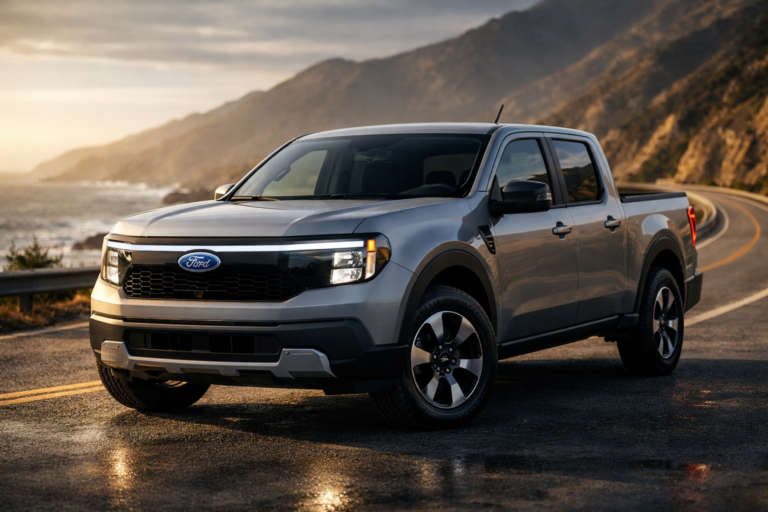
Automakers aren’t blind to the issue. Ford, which saw SUVs like the Bronco drive February sales gains, has leaned more heavily on incentives in certain regions, according to its latest sales release. GM and Stellantis have selectively increased cash allowances on slower-selling EVs and full-size trucks, as dealer inventories rise.
Why It Matters
Affordability has become the defining constraint of the 2026 auto market. According to Edmunds data cited by Reuters, the share of buyers taking 84-month loans now exceeds 30% in some months. That’s a structural shift in consumer behavior.
However, stretching loans lowers the monthly payment only marginally while dramatically increasing total interest paid. A buyer financing $45,000 over 84 months at 7.5% can pay more than $13,000 in interest alone. That erodes household balance sheets and increases negative equity risk.
Furthermore, rising insurance premiums — up roughly 15% year-over-year according to industry estimates — and higher repair costs compound the squeeze. For many households, car affordability is no longer about sticker price alone but total cost of ownership.
As a result, buyers are recalibrating. Some are downsizing from full-size trucks to compact SUVs. Others are shifting to hybrids; our Hybrid vs Electric 2026: Cost & Range Guide shows why hybrids often deliver lower upfront costs without charging infrastructure concerns.
The Bigger Picture
To understand how we got here, rewind to 2020–2022. Pandemic-era supply shortages constrained production, pushing transaction prices sharply higher. Automakers prioritized high-margin trims and trucks, permanently lifting average selling prices.
Meanwhile, interest rates climbed as the Federal Reserve tightened policy to combat inflation. Although rate hikes paused in late 2025, borrowing costs remain far above the sub-4% auto loans common in 2019.
Additionally, regulatory uncertainty and tariffs continue to influence pricing. Our analysis of Auto Tariffs Impact: Will Carmakers Raise Prices? outlines how trade disputes can add hundreds or even thousands of dollars per vehicle. According to the EPA, stricter emissions and efficiency standards also require costly technology investments, even amid ongoing debates about potential rollbacks.
Globally, the picture varies. Europe’s EV market surged nearly 20% year-over-year in January 2026, per industry data covered by Reuters, while China’s intense EV price wars have driven down average prices there. In contrast, U.S. consumers face higher financing costs and less aggressive discounting.
What the Competition Is Doing
Ford is emphasizing entry trims and hybrid variants of high-volume models like the F-150 and Escape. Additionally, the company has expanded promotional APR offers for well-qualified buyers, though those sub-3% deals are limited and often region-specific.
GM is pushing Ultium-based EVs with lease-heavy strategies. Leasing can mask high MSRPs by lowering monthly outlays, but it shifts residual risk to the automaker. Meanwhile, Toyota continues to benefit from its hybrid depth; the RAV4 Hybrid and Corolla Hybrid undercut many rivals on total monthly cost.
Tesla has taken a different approach. After multiple price cuts in 2023–2025, it has stabilized pricing but uses targeted incentives and financing promotions to manage demand. According to company filings and Bloomberg analysis, Tesla’s ability to adjust prices quickly remains a competitive lever legacy automakers struggle to match.
In contrast, luxury brands like BMW and Mercedes-Benz appear less exposed. Their buyers are less payment-sensitive, and leasing remains dominant. The pain is most acute in the mass market — precisely where volume matters most.
What It Means for You
If you’re shopping in 2026, the era of easy money is over. An $800 car payment can sneak up quickly once taxes, fees, and add-ons are included. Therefore, focusing on out-the-door price and APR matters more than ever.
Additionally, compare financing sources. Our guide to Get Best Car Loan Interest Rates 2026 Today outlines how credit unions often undercut dealership financing by 0.5 to 1 percentage point.
Moreover, consider nearly-new used vehicles. A two-year-old off-lease SUV can cost $8,000 to $12,000 less than its new equivalent, dramatically lowering monthly payments. However, be cautious about warranty coverage and vehicle history.
Finally, resist stretching to 84 months unless absolutely necessary. Lower monthly payments can disguise long-term risk, especially if depreciation outpaces principal repayment.
What to Watch Next
First, monitor interest rates. If the Federal Reserve signals cuts in mid-2026, auto loan APRs could ease by late year. That would directly reduce the prevalence of the $800 car payment.
Second, watch incentives. If inventories climb — particularly for EVs and full-size trucks — manufacturers may increase rebates. Additionally, keep an eye on delinquency data from the New York Fed; a spike could tighten lending standards.
Third, pay attention to regulatory shifts and trade policy. Tariff adjustments or emissions rule changes can quickly alter pricing dynamics, as past cycles have shown.
The Upside
- Potential rate cuts could ease monthly payments in late 2026
- Rising inventories may lead to stronger incentives
- Growth in hybrids offers lower-cost alternatives
- Used market stabilization improves affordability options
The Concerns
- High interest rates keep payments elevated
- Longer loan terms increase negative equity risk
- Rising insurance and repair costs add pressure
- Subprime delinquencies could tighten credit availability
Having covered three product cycles, I can tell you this pattern is familiar: prices rise, financing stretches, and eventually something gives. The difference in 2026 is scale. When mainstream buyers face an $800 monthly norm, automakers can’t simply blame rates — they must rethink pricing, trims, and value.
Whether the $800 car payment becomes permanent depends on rates, incentives, and discipline from both lenders and manufacturers. For now, affordability — not horsepower, not range, not screens — is the real battleground of the U.S. auto market.
Disclosure: This article may contain affiliate links. If you make a purchase through these links, we may earn a small commission at no extra cost to you. This helps support RevvedUpCars.com. Learn more.